

Nothing beats spending time outdoors—whether it’s hosting a backyard barbecue, gardening, or hiking in Ohio’s beautiful parks. However, mosquito season can turn these moments into itchy, frustrating experiences. Mosquitoes aren’t just a nuisance; they can transmit diseases like West Nile virus, Zika, and dengue, posing health risks for you and your loved ones. In Ohio, mosquito activity peaks from late spring to early fall, thriving in warm, humid conditions. At Prevent Pest Control, we’re dedicated to helping you reclaim your outdoor spaces.
The Mosquito Menace: Why Prevention Matters
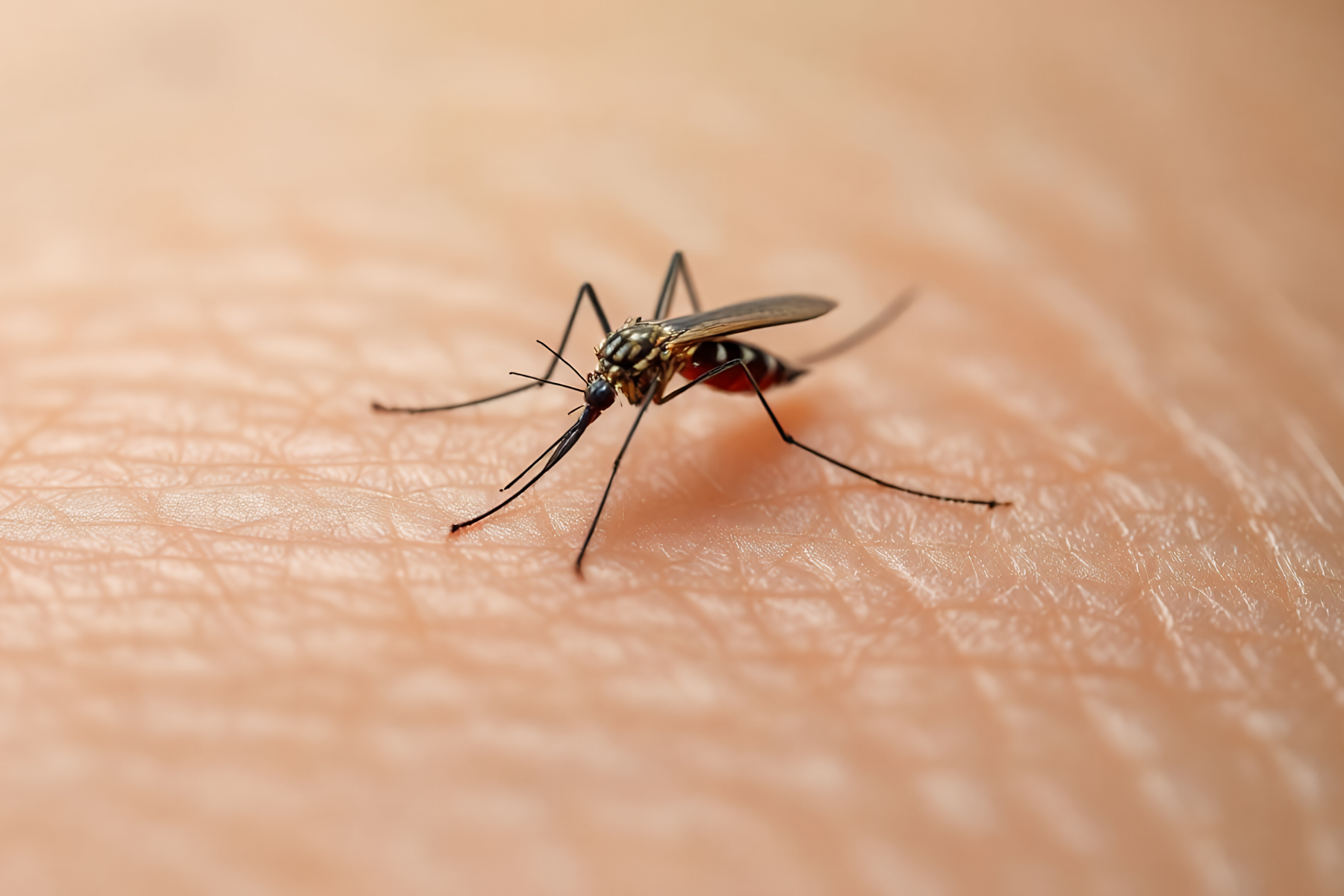
Mosquitoes are small, blood-feeding insects that breed in standing water and are most active at dawn and dusk. Female mosquitoes bite to obtain blood for egg production, leaving red, itchy welts that can become infected if scratched excessively. More concerning, they can spread diseases. In Ohio, the Culex mosquito is a primary carrier of West Nile virus, which can cause fever, headaches, or, in rare cases, neurological complications. Aedes mosquitoes, like the Asian tiger mosquito, may transmit Zika or dengue, though these are less common locally.
Mosquitoes are attracted to humans by body heat, carbon dioxide from breath, and sweat odors, making outdoor activities prime targets for bites. Their ability to breed in small amounts of water—such as puddles, clogged gutters, or even bottle caps—makes them a persistent challenge. Effective prevention combines personal protection, environmental management, and, when necessary, professional intervention to keep mosquito populations in check.
 Step 1: Arm Yourself with Repellents
Using insect repellents is one of the most effective ways to prevent mosquito bites. Here’s how to choose and apply them safely:
- Select EPA-Registered Products: Opt for repellents containing 20-30% DEET, picaridin, IR3535, or oil of lemon eucalyptus (OLE). These are proven to repel mosquitoes effectively. Picaridin is a gentle alternative for sensitive skin, while OLE is a natural option for those over age 3.
- Apply Correctly: Spray or rub repellent on exposed skin, such as arms, legs, and neck, avoiding eyes, mouth, and open wounds. Reapply every 4-6 hours, or sooner if swimming or sweating. For clothing, spray lightly to enhance protection.
- Child-Safe Options: For children, use products with lower DEET concentrations (10-15%) or picaridin, and avoid applying to their hands to prevent ingestion. Never use repellents on infants under 2 months.
- Test for Reactions: Before widespread use, test a small amount on your skin to ensure no allergic reactions occur.
Step 2: Dress for Defense
Your clothing choices can significantly reduce mosquito bites by limiting skin exposure. Consider these tips:
- Wear Long, Loose Clothing: Long sleeves, pants, and socks minimize exposed skin. Loose-fitting garments are harder for mosquitoes to bite through compared to tight clothing.
- Choose Light Colors: Mosquitoes are less attracted to light colors like white or beige. Dark colors, such as black or navy, absorb heat and draw more mosquitoes.
- Opt for Tightly Woven Fabrics: Select materials that mosquitoes can’t easily penetrate, such as cotton blends or specialized outdoor gear.
- Use Permethrin-Treated Clothing: Treat clothing, hats, and gear with permethrin, a synthetic insecticide that repels and kills mosquitoes. Permethrin-treated items remain effective through multiple washes and are safe when used as directed.
Step 3: Eliminate Mosquito Breeding Grounds
Mosquitoes need standing water to lay eggs, so removing these sites is critical to reducing their numbers. Here’s how to make your property less inviting:
- Remove Standing Water: Empty water from flowerpots, buckets, birdbaths, and toys after rain. Change water in pet bowls and birdbaths every 2-3 days to prevent larvae development.
- Maintain Gutters and Drains: Clear clogged gutters of leaves and debris to ensure water flows freely. Check downspouts and drainage ditches for blockages.
- Cover or Treat Water Sources: Use tight-fitting lids on rain barrels or storage tanks. For ornamental ponds, add mosquito dunks containing Bacillus thuringiensis israelensis (BTI), a safe bacteria that kills mosquito larvae without harming fish or pets.
- Check Hidden Areas: Inspect items like tarps, wheelbarrows, or children’s playsets for pooled water. Even small amounts can produce hundreds of mosquitoes.
Step 4: Enhance Your Outdoor Space
Creating a mosquito-resistant outdoor environment complements personal protection efforts. Try these landscaping and repellent strategies:
- Trim Vegetation: Mow lawns and trim shrubs or tall grass where mosquitoes rest. Prune overhanging branches to increase sunlight, as mosquitoes prefer shaded, humid spots.
- Improve Airflow: Install oscillating fans on patios or decks. Mosquitoes struggle to fly in breezy conditions, making these areas less appealing.
- Use Area Repellents: Place citronella candles, torches, or essential oil diffusers (with oils like lemongrass) around seating areas. These create a repellent zone, though they’re most effective in small, enclosed spaces.
- Install Screens: Add screens to porches, gazebos, or pergolas to create mosquito-free zones. Ensure screens are tightly fitted and free of holes.
Step 5: Stay Cautious During Peak Times
Timing your outdoor activities can minimize mosquito exposure. Follow these guidelines:
- Avoid Dawn and Dusk: Mosquitoes are most active during these periods. Schedule activities like gardening or jogging for mid-morning or afternoon when mosquito activity is lower.
- Monitor Weather: Mosquitoes are more active after rain or in humid conditions. After storms, check for standing water and increase repellent use if you must be outside.
- Plan Events Strategically: For barbecues or outdoor weddings, set up in open, sunny areas and use fans or repellent devices to deter mosquitoes during evening hours.
Step 6: Protect Pets and Vulnerable Groups
Pets and certain family members need extra attention to stay safe from mosquito bites:
- Pet Protection: Mosquitoes can transmit heartworm to dogs and cats. Use vet-recommended heartworm preventatives and limit pets’ outdoor time during dawn/dusk. Check pet bedding for standing water.
- Children and Elderly: Use age-appropriate repellents for kids (e.g., picaridin for ages 3+) and avoid applying to their hands. Cover strollers with mosquito nets. For the elderly, ensure they wear protective clothing and stay in screened areas if possible.
- Educate Family: Teach children to avoid scratching bites and to report excessive itching or swelling, which may require medical attention.
 Step 7: Know When to Call a Professional
While DIY methods are effective, persistent mosquito problems may require expert intervention. Prevent Pest Control offers professional solutions if:
- Mosquitoes remain a problem despite eliminating breeding sites.
- Your property has hard-to-manage water sources, like ponds or swampy areas.
- You’re concerned about diseases like West Nile virus in Ohio.
Our Cleveland-based team provides barrier sprays, larvicide applications, and ongoing monitoring to create a mosquito-free environment tailored to your needs.
Prevent Mosquito Bites with Prevent Pest Control
For expert mosquito control in Cleveland, Ohio, contact Prevent Pest Control for a consultation. Let us help you create a bite-free outdoor oasis.

Prevent Pest Control has been proudly serving Ohio communities since 1996, delivering expert pest management solutions backed by over two decades of hands-on experience. Our skilled team is equipped to handle a full range of pest problems, from common household nuisances like ants and spiders to more serious infestations involving rodents, termites, and bed bugs.
We offer reliable, customized treatments for both residential and commercial properties, always focused on safety, effectiveness, and customer satisfaction. Our service area covers much of central and northern Ohio, including major cities such as Cleveland, Columbus, Dayton, and Cincinnati.
Contact Us
We are always here to help. Looking forward to hearing from you!