
Summer in Ohio brings warm evenings perfect for backyard barbecues, gardening, or relaxing on the patio. Unfortunately, it also brings mosquitoes, which can turn your outdoor oasis into a battleground of itchy bites and buzzing pests. Beyond their annoyance, mosquitoes pose health risks by spreading diseases like West Nile virus, Zika, and dengue fever. Keeping your yard mosquito-free is essential for enjoying outdoor activities safely. At Prevent Pest Control, we’re committed to helping you reclaim your outdoor spaces.
 The Mosquito Problem: Why Yard Control Matters
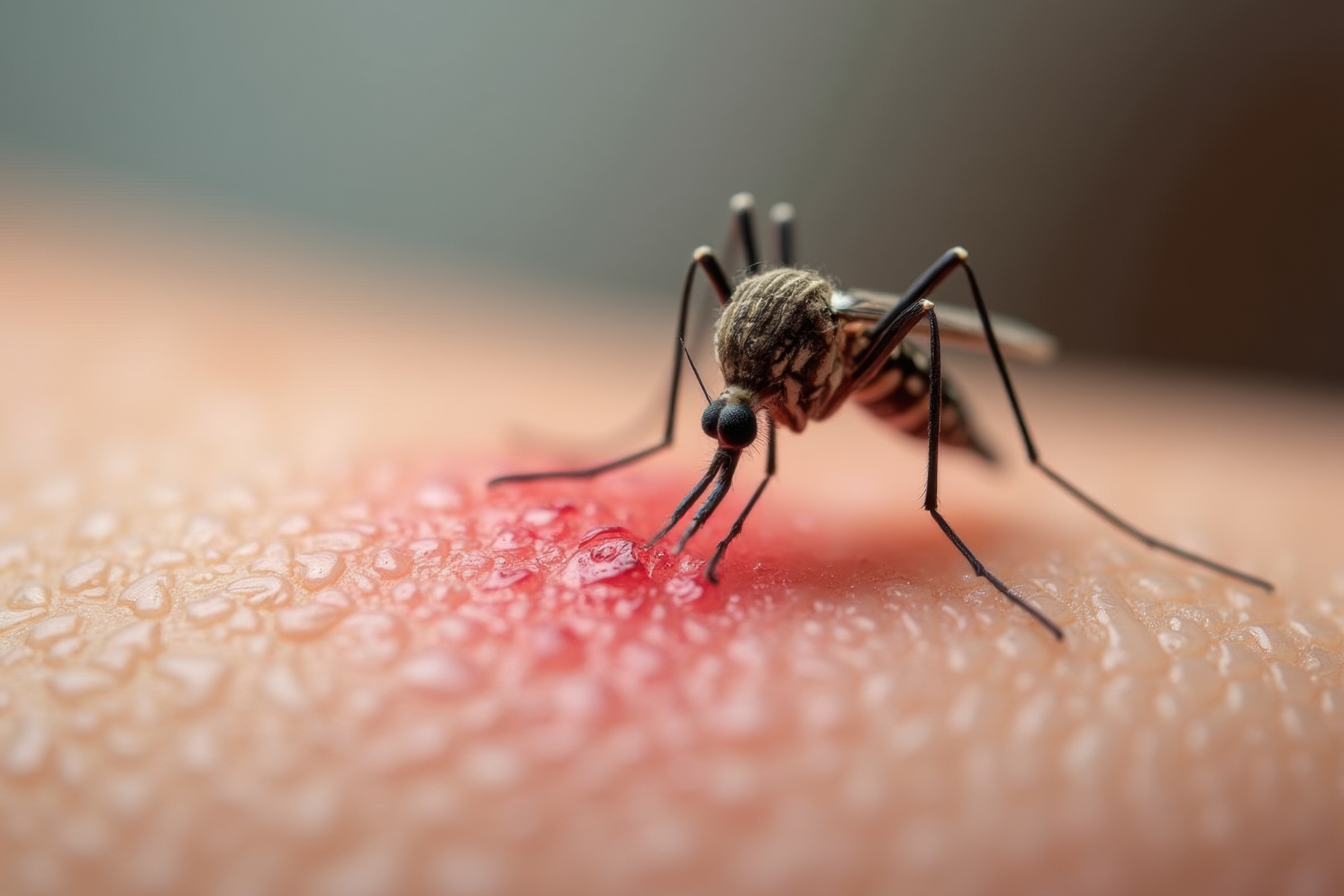
Mosquitoes are small, blood-feeding insects that thrive in warm, humid environments, particularly near standing water where females lay eggs. In Ohio, mosquito season spans from April to October, with peak activity during summer months. Species like the Culex mosquito, a carrier of West Nile virus, and the Aedes mosquito, linked to Zika, are common in residential areas. Mosquitoes are attracted to humans by carbon dioxide, body heat, and sweat, making yards prime targets during evening gatherings or outdoor play.
A single female mosquito can lay hundreds of eggs in as little as a teaspoon of water, leading to rapid population growth. Their bites cause itchy welts, which can become infected if scratched, and increase the risk of disease transmission. Controlling mosquitoes in your yard reduces these risks, protects your family, and enhances your outdoor experience. Effective control combines proactive yard management, targeted treatments, and awareness of local risks.
Step 1: Eliminate Breeding Sites
The most effective way to control mosquitoes is to eliminate their breeding sites by removing standing water. Here’s how to tackle this critical step:
- Remove Standing Water: Regularly empty water from flowerpots, buckets, birdbaths, kiddie pools, and tires after rain. Change water in pet bowls and birdbaths every 2-3 days to prevent larvae from maturing.
- Clean Gutters and Drains: Clear clogged gutters of leaves and debris to ensure proper drainage. Check downspouts and yard drains for blockages that trap water, creating breeding grounds.
- Cover Water Containers: Use tight-fitting lids on rain barrels, trash cans, or storage bins. For pools, maintain proper chlorination or cover them when not in use to deter mosquito egg-laying.
- Treat Unavoidable Water: For ponds or water features, add mosquito dunks or bits containing Bacillus thuringiensis israelensis (BTI), a bacteria that kills mosquito larvae but is safe for pets, fish, and plants.
Step 2: Maintain Your Yard
A well-maintained yard discourages mosquitoes by reducing their resting and breeding areas. Implement these landscaping strategies:
- Mow and Trim Vegetation: Keep grass short and trim tall weeds, bushes, and shrubs where mosquitoes rest during the day. Prune overhanging branches to increase sunlight, as mosquitoes prefer shaded areas.
- Clear Debris: Remove leaf piles, branches, or organic matter that trap moisture and provide hiding spots. Store firewood off the ground and away from gathering areas.
- Improve Drainage: Ensure your yard slopes away from your home to prevent water pooling. Fill low spots with soil or gravel, and consider installing French drains for persistent wet areas.
- Create Barriers: Use gravel or mulch borders between your lawn and wooded areas to reduce mosquito migration from nearby habitats.
Step 3: Use Area Repellents and Traps
Area-wide repellents and traps can further reduce mosquito activity in your yard, creating a more enjoyable environment:
- Citronella Candles and Torches: Place citronella-based products around patios, decks, or seating areas. Their scent repels mosquitoes in small spaces, though effectiveness diminishes in windy conditions.
- Mosquito Traps: Deploy propane or electric traps that attract mosquitoes with carbon dioxide, heat, or UV light. Position traps away from gathering areas to draw mosquitoes away, and maintain them regularly.
- Essential Oil Diffusers: Use outdoor diffusers with oils like lemongrass, peppermint, or eucalyptus in confined areas like porches. Reapply oils frequently for consistent repulsion.
- Foggers and Sprays: Apply yard-safe mosquito foggers or sprays labeled for outdoor use, following instructions carefully. These provide temporary relief for events but aren’t long-term solutions.
Step 4: Protect Yourself and Family
While yard control reduces mosquito populations, personal protection ensures you stay bite-free:
- Apply Repellents: Use EPA-registered repellents with 20-30% DEET, picaridin, or oil of lemon eucalyptus on exposed skin, reapplying every 4-6 hours. For children over 3, use picaridin or low-DEET products, avoiding hands to prevent ingestion.
- Wear Protective Clothing: Opt for long sleeves, pants, and socks in light colors during outdoor activities, especially at dawn or dusk. Treat clothing with permethrin for added protection against bites.
- Use Mosquito Nets: For infants or during camping, cover strollers or seating areas with tightly woven mosquito nets to block access.
- Avoid Peak Hours: Limit outdoor time during dawn and dusk when mosquitoes are most active, and double up on protection during these periods.
Step 5: Safeguard Pets
Pets are also vulnerable to mosquito bites and diseases like heartworm, which mosquitoes transmit. Protect them with these steps:
- Use Preventatives: Administer vet-recommended heartworm preventatives, such as monthly oral or topical treatments, to protect dogs and cats. Consult your veterinarian for the best options.
- Limit Exposure: Keep pets indoors during dawn and dusk, and avoid letting them roam in wet or wooded areas where mosquitoes congregate.
- Check Bedding and Water: Ensure pet bedding is dry and free of standing water. Change water bowls daily to prevent mosquito breeding.
- Inspect Fur: After outdoor time, check your pet’s fur, especially around ears and belly, for mosquitoes or bites, and address any irritation promptly.
Step 6: Stay Informed About Local Risks
Awareness of mosquito-borne disease risks in your area enhances your control efforts. Here’s how to stay proactive:
- Monitor Health Alerts: Follow Ohio Department of Health updates for West Nile virus or other mosquito-borne disease outbreaks. Increased local activity may warrant extra precautions.
- Recognize Symptoms: Watch for fever, headache, body aches, or rashes after bites, and seek medical attention if symptoms persist. Note bite locations and dates for your doctor.
- Engage Your Community: Coordinate with neighbors to eliminate shared breeding sites, like ditches or communal areas, reducing mosquito populations across properties.
- Track Weather Patterns: After heavy rains, inspect your yard for new water pools, as storms can boost mosquito breeding.
 Step 7: Seek Professional Mosquito Control
For persistent mosquito problems or high-risk yards, professional intervention offers lasting relief. Contact Prevent Pest Control if:
- Mosquitoes remain abundant despite DIY efforts.
- Your property has challenging water features, like ponds or swampy areas.
- You’re concerned about disease risks, especially West Nile virus in Ohio.
Our Cleveland-based team provides customized solutions, including barrier sprays, larvicide treatments, and ongoing monitoring, to keep your yard mosquito-free.
Have a Yard Mosquito-Free With PPC
Mosquitoes present unique challenges, but with proper identification and cautious removal, you can keep your outdoor spaces safe. For expert stinging insect control in Cleveland, Ohio, contact Prevent Pest Control at (440) 322-0887 or visit Prevent Pest Control for a consultation.

Prevent Pest Control has been proudly serving Ohio communities since 1996, delivering expert pest management solutions backed by over two decades of hands-on experience. Our skilled team is equipped to handle a full range of pest problems, from common household nuisances like ants and spiders to more serious infestations involving rodents, termites, and bed bugs.
We offer reliable, customized treatments for both residential and commercial properties, always focused on safety, effectiveness, and customer satisfaction. Our service area covers much of central and northern Ohio, including major cities such as Cleveland, Columbus, Dayton, and Cincinnati.
Contact Us
We are always here to help. Looking forward to hearing from you!