

As temperatures rise, snow melts, and food sources dwindle outdoors, mice in Cleveland start pushing indoors in massive numbers. What begins as a few droppings under the sink or a chewed cereal box quickly becomes a full infestation if not handled correctly.
Most homeowners think a few traps or poison from the store will solve the problem.
They’re wrong.
Mice reproduce at an astonishing rate — one pair can produce up to 60 offspring in a single season — and DIY methods rarely reach the entire colony. At Prevent Pest Control, we see the same pattern every spring: families who waited too long or tried DIY end up with widespread damage, health risks, and much higher costs.
We explain why professional mice extermination is essential for spring protection in Ohio, how mice behave this time of year, the real dangers of letting them stay, and how our team delivers total colony elimination with proven chemical treatments.
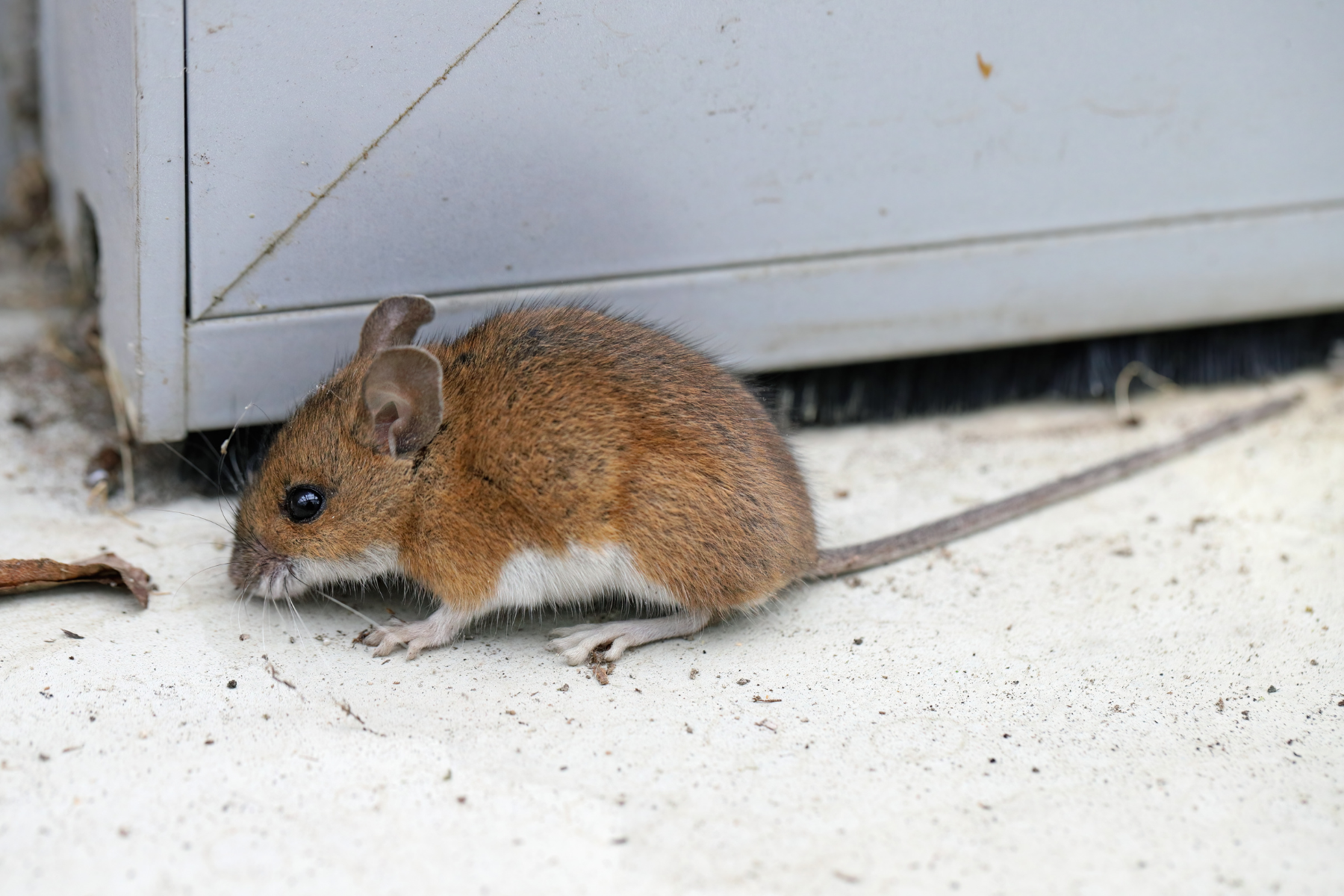 Why Spring Is Prime Time for Mice in Ohio Homes
Mice don’t hibernate — they stay active year-round.
Winter forces them into insulated wall voids, attics, basements, and crawlspaces to stay warm.
When spring arrives:
- Outdoor food (seeds, berries) becomes scarce
- Snowmelt floods burrows and drives them indoors
- Warmer temperatures increase breeding (females can have 5–10 litters per year)
- Mice start exploring farther from nests — straight into kitchens, pantries, and living spaces
Spring (March–May) can see increased breeding and emergence due to warmer temperatures triggering activity, but the primary surge for home invasions is earlier in the year.
How Mice Get Into Your Home Every Spring
Common entry points in Ohio homes:
- Gaps as small as 1/4 inch around utility lines, doors, and windows
- Cracks in foundation or basement walls
- Openings where pipes or wires enter the house
- Damaged weatherstripping or door sweeps
- Vents and dryer exhausts without proper screens
- Woodpiles, shrubs, or debris touching the siding
Once inside, they nest in:
- Wall voids near kitchens and bathrooms
- Attics and crawlspaces
- Behind appliances (refrigerators, stoves, dishwashers)
- Inside cabinets, drawers, and pantries
- Under furniture and in stored boxes
Signs of Mice You’ll See This Spring
Don’t wait for a full infestation. Watch for:
- Small, dark droppings (rice-grain size) near food, in drawers, or along baseboards
- Gnaw marks on wires, food packaging, or wooden beams
- Greasy rub marks along walls and baseboards (from fur oils)
- Nests made of shredded paper, fabric, or insulation
- Scratching or scurrying noises in walls at night
- Urine odor (ammonia-like) in cabinets or closets
Finding even one of these signs means the colony is already active — and likely much larger than you think.
The Real Dangers of Mice in Ohio Homes
Mice are more than a nuisance — they’re a serious threat.
Health Risks
- Carry and spread bacteria like Salmonella, E. coli, and Listeria through droppings and urine
- Trigger allergies and asthma (especially in children) from dander and urine proteins
- Contaminate food and surfaces — even sealed packages can be chewed open
Structural Damage
- Chew electrical wires — causing fire hazards
- Gnaw on wood framing, insulation, and support beams
- Damage drywall, furniture, and stored items
Rapid Reproduction
- A single female can have 5–10 litters per year, 6–8 young per litter
- Babies reach breeding age in 6–8 weeks
- One pair can produce 60+ offspring in a single season
Why DIY Mice Control Fails in Spring
- Snap traps catch only a few mice — the rest avoid them
- Poison baits are often ignored when natural food is available
- Glue boards trap some mice but leave the colony intact
- Ultrasonic devices and repellents have no proven long-term effect
- Sealing holes without eliminating the colony traps mice inside
DIY methods rarely reach the entire colony — especially hidden nests in walls or attics. The result: mice return stronger, and the infestation spreads.
How Prevent Pest Control Delivers Total Mice Elimination
We don’t just trap a few mice — we eliminate the colony.
Our proven spring mice extermination protocol:
- Thorough inspection of entry points, nesting sites, and activity areas
- Professional-grade rodenticides and non-toxic monitoring baits placed strategically
- Targeted crack-and-crevice treatments to reach hidden nests
- Perimeter barrier treatments around foundation and exterior.
No gimmicks. No shortcuts. Just the strongest chemical and exclusion methods available to licensed professionals.
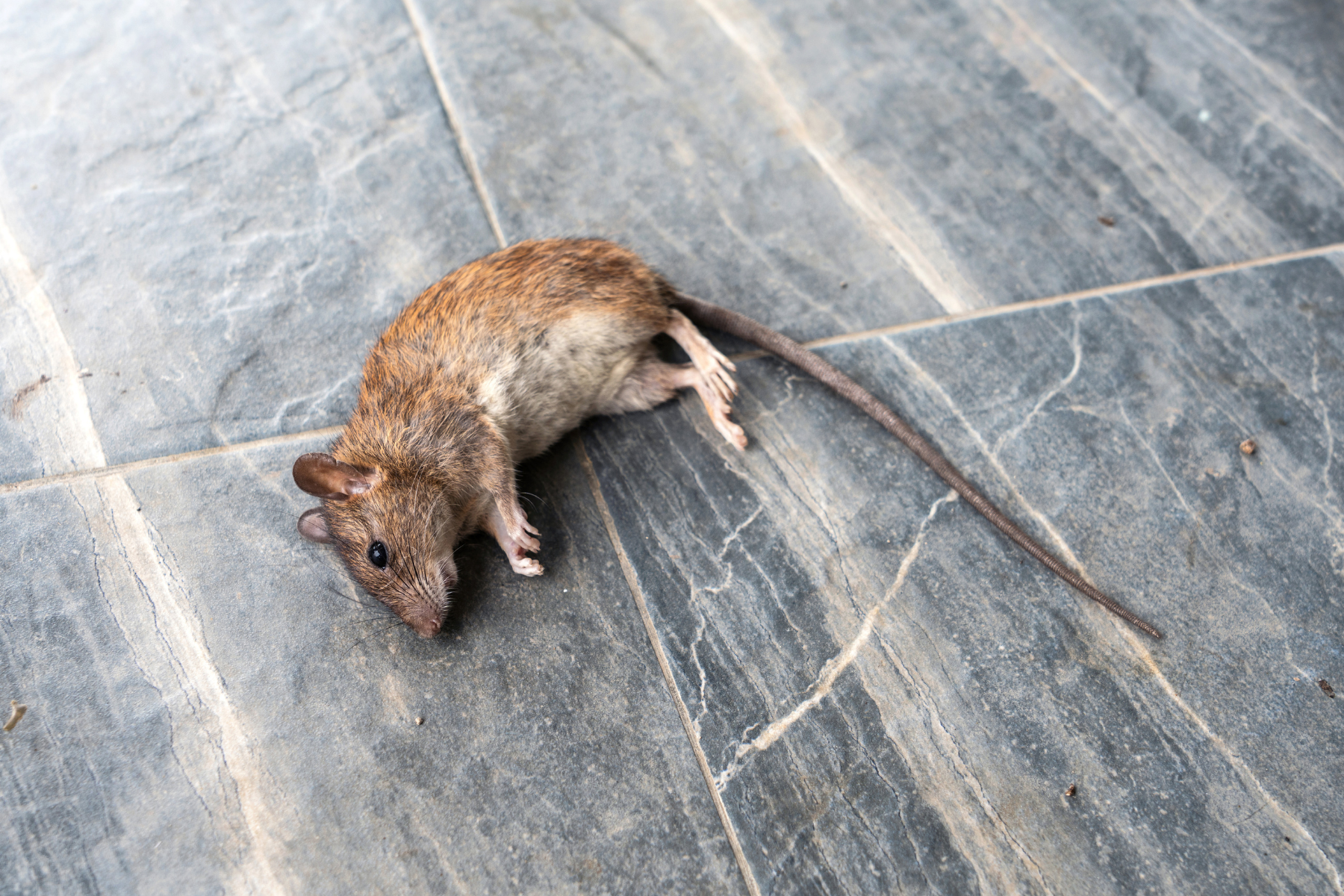 Results You Can Trust
- Most mice infestations resolved in 1–3 visits
- Written guarantee — mice gone or we return free
- Same-day/next-day service available all spring
- Serving all of Greater Cleveland: Cleveland · Lakewood · Parma · Westlake · Strongsville · Shaker Heights · Rocky River · North Olmsted · Medina · Akron · and beyond.
Your Spring 2026 Mice Protection Action Plan
- Inspect your foundation, doors, windows, and utility penetrations for gaps
- Look for droppings, gnaw marks, or rub marks in pantry, kitchen, and basement
- Check attic and crawlspace for nests or activity
- Seal any visible entry points with steel wool or caulk
- Call Prevent Pest Control at (440) 322-0887 at the first sign
Early mice elimination prevents major damage and health risks.
Don’t Let Mice Take Over Your Home This Spring
Spring should be for renewal — not rodents. One phone call now can save you major headaches later. Contact Prevent Pest Control today at (440) 322-0887 for fast, professional mice extermination across Northeast Ohio.
FAQs: Why Professional Mice Extermination is Essential in Spring
-
Why do mice invade Ohio homes more in spring?
As snow melts and outdoor food becomes scarce, mice seek warmth, food, and nesting sites indoors. Spring breeding ramps up, pushing colonies into kitchens, basements, and attics.
-
What are the first signs of mice in my home this spring?
Look for small dark droppings (rice-grain size), gnaw marks on food packaging or wires, greasy rub marks along baseboards, shredded paper nests, or scratching noises in walls at night.
-
Can mice cause serious health problems in Ohio homes?
Yes — they spread bacteria like Salmonella and E. coli through droppings/urine, trigger allergies and asthma (especially in children), and contaminate food surfaces.
-
Why don’t snap traps or store-bought poison fully solve a mice problem?
Traps catch only a few mice; poison baits are often ignored when natural food is available. Neither reaches the entire colony, especially hidden nests in walls or attics.
-
How does Prevent Pest Control eliminate mice infestations?
We inspect entry points and nesting sites, use professional-grade rodenticides and monitoring baits.
-
How many visits does Prevent Pest Control need for mice extermination?
Most infestations are resolved in a couple visits.
-
Is it safe for my family and pets during mice treatment?
Yes. We use EPA-registered products applied by licensed technicians. We place baits and traps in tamper-resistant stations and follow strict safety protocols.
-
What areas of Ohio does Prevent Pest Control treat for mice?
Greater Cleveland and surrounding counties: Cuyahoga, Lake, Lorain, Medina, Summit, and more — including Cleveland, Parma, Lakewood, Westlake, Strongsville, Shaker Heights, and beyond.
-
How can I prevent mice from coming back after spring treatment?
Seal gaps (doors, windows, utility penetrations), store food in sealed containers, reduce clutter, and maintain a clean perimeter. Our perimeter barrier helps protect long-term.
-
When should I call Prevent Pest Control for mice this spring?
At the first sign of droppings, gnaw marks, rub marks, or noises. Call (440) 322-0887 — same-day/next-day service available. Early extermination prevents major damage and health risks.

Prevent Pest Control has been proudly serving Ohio communities since 1996, delivering expert pest management solutions backed by over two decades of hands-on experience. Our skilled team is equipped to handle a full range of pest problems, from common household nuisances like ants and spiders to more serious infestations involving rodents, termites, and bed bugs.
We offer reliable, customized treatments for both residential and commercial properties, always focused on safety, effectiveness, and customer satisfaction. Our service area covers much of central and northern Ohio, including major cities such as Cleveland, Columbus, Dayton, and Cincinnati.
Contact Us
We are always here to help. Looking forward to hearing from you!