
In the food service industry, maintaining a clean, pest-free environment isn’t just a matter of pride—it’s a matter of public health and business survival. Few pests raise alarm as quickly and decisively as cockroaches. In restaurant kitchens, their presence can lead to failed health inspections, reputational damage, and even temporary closures.
Cleveland’s urban environment and seasonal climate make it an attractive habitat for several species of cockroaches, especially in buildings where food and moisture are readily available. The good news? You can minimize the risk of infestation by taking a proactive, informed approach to prevention and control.
 Why Cockroaches Target Restaurant Kitchens
Cockroaches are resilient scavengers that seek out environments offering food, moisture, warmth, and shelter. Restaurant kitchens meet all these conditions.
Food debris on floors, grease buildup behind equipment, standing water under sinks, and hidden cracks provide ideal living and breeding conditions. Once cockroaches find a way in, they reproduce quickly, and a few overlooked individuals can turn into a full-blown infestation in a short time.
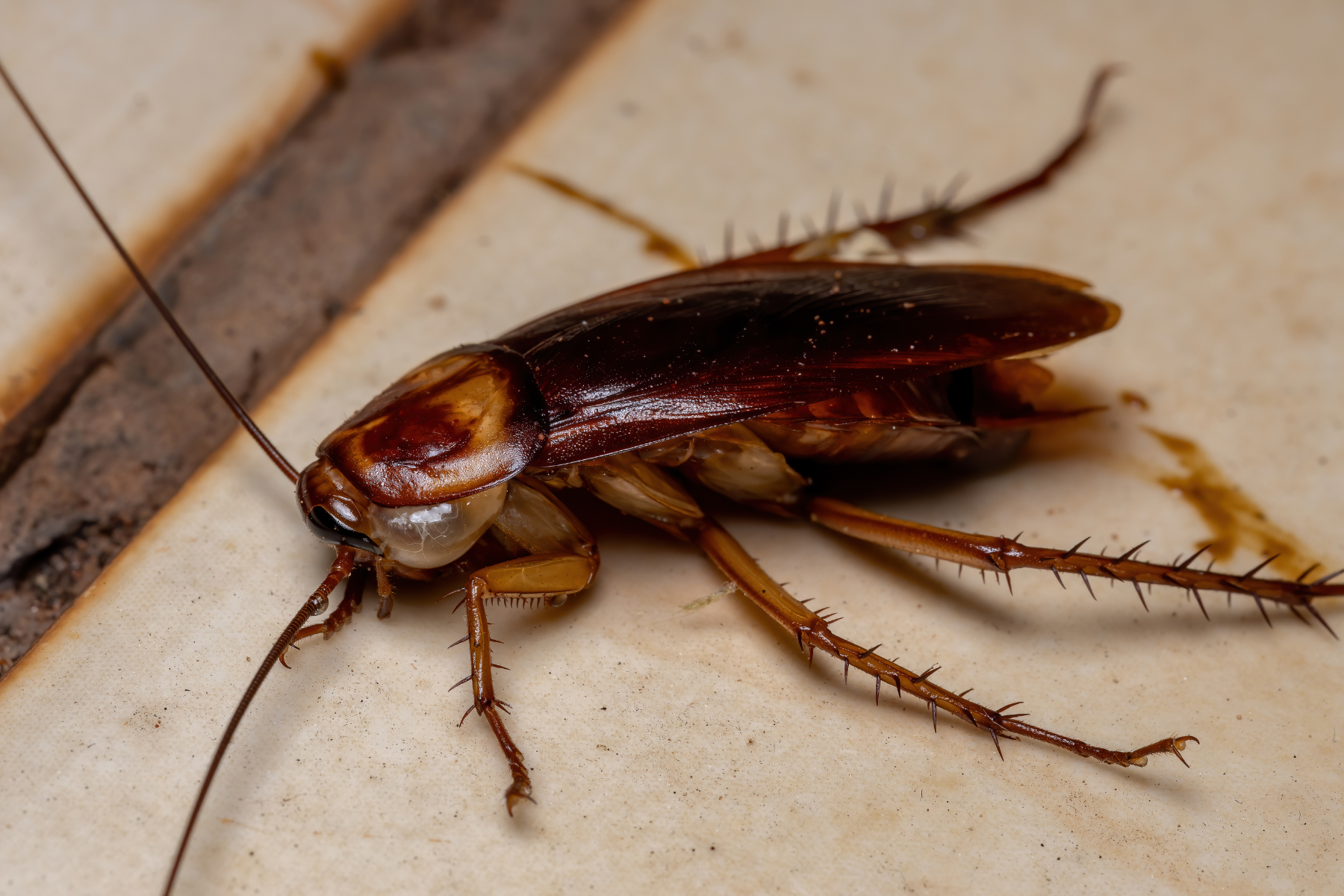
Common cockroach species in Cleveland include the German cockroach (small and fast-reproducing), the American cockroach (larger and more likely to be found in basements), and the Oriental cockroach (which prefers damp areas).
Health and Safety Risks
Cockroaches are not just unsightly—they pose real health hazards. They carry pathogens that can contaminate food and surfaces, leading to illnesses like salmonella, E. coli infections, and gastroenteritis. Cockroach droppings, shed skins, and saliva can also trigger allergic reactions and asthma, especially in sensitive individuals.
For restaurants, these risks are compounded by potential violations of health codes, negative online reviews, and loss of customer trust.
Common Entry Points in Cleveland Kitchens
Cockroaches are experts at squeezing into tight spaces. Understanding how they gain entry into commercial kitchens is the first line of defense.
- Gaps around utility lines and plumbing
- Cracks in foundation or walls
- Drains and sewer lines
- Propped open or improperly sealed doors
- Deliveries and shipments (cockroaches can hitchhike in boxes)
Urban areas like downtown Cleveland also pose added risks due to shared walls, older infrastructure, and population density, increasing the chances of cockroach migration between buildings.
Cockroach Prevention: Sanitation Is Non-Negotiable
Keeping your kitchen clean is one of the most effective steps in cockroach prevention. While cockroaches are adaptable and can survive on minimal resources, they thrive in environments with easy access to food and water.
Best practices include:
- Cleaning under and behind stoves, fryers, and refrigerators daily
- Regularly removing grease buildup from vents and walls
- Ensuring trash is stored in sealed bins and taken out frequently
- Sanitizing countertops, cutting boards, and food prep areas throughout the day
- Avoiding standing water by fixing leaks and wiping down wet areas
- Sweeping and mopping floors at least once per shift
Proper Storage and Inventory Management
Cockroaches thrive in cluttered, poorly managed storage areas. Reduce their hiding spots by organizing and cleaning dry storage regularly.
Keep food in sealed, pest-proof containers. Rotate stock frequently, follow “first in, first out” practices, and check for expired goods. Elevate shelving units off the ground and away from walls to make cleaning and inspection easier.
Also inspect incoming deliveries. Cockroaches can arrive hidden in boxes, bags, or pallets. Unpack and dispose of shipping materials promptly and inspect items before storing them.
Employee Training and Involvement
Your staff is your first line of defense against pests. Train all kitchen employees on cockroach prevention, including how to recognize signs of infestation such as droppings, egg casings, or shed skins.
Encourage staff to report issues immediately, whether it’s a plumbing leak, crumbs under equipment, or a suspicious insect sighting. Prompt reporting allows for fast action, preventing a minor issue from becoming a major one.
Post sanitation checklists and schedules in visible areas and assign specific cleaning responsibilities per shift to ensure accountability.
Monitor and Detect Early
Early detection is key to controlling cockroaches before they multiply. Sticky traps placed in discreet locations can help monitor activity. These should be checked regularly and placed:
- Near floor drains
- Behind kitchen appliances
- Under sinks
- Along baseboards and wall edges
If traps start showing consistent catches, it’s time to escalate your pest control response.
Why Professional Pest Control Is Essential
Even the cleanest kitchens can experience pest problems. Cockroaches are tenacious and can hide in places that are difficult to access without specialized tools.
Prevent Pest Control offers commercial pest control services tailored to Cleveland restaurants. Our team understands local pest pressures and follows best practices to manage infestations discreetly and effectively.
Cockroach Hotspots to Watch in Cleveland Restaurants
Certain areas within kitchens and restaurant buildings are more prone to infestation:
- Under sinks and near dishwashers where moisture accumulates
- Floor drains in food prep areas
- Grease traps and behind fryers
- Cardboard storage areas
- Janitor closets and mop stations
Conduct routine checks in these hotspots, and consider working with pest control professionals for monthly inspections and service.
 Cockroach Prevention With Prevent Pest Control
If you’re a restaurant owner or manager in Cleveland, contact Prevent Pest Control at (440) 322-0887 or visit our website to schedule a commercial inspection or learn more. Let us help you protect your kitchen, your customers, and your brand.
Common FAQs About Cockroach Prevention
1. Why are restaurant kitchens in Cleveland particularly vulnerable to cockroaches?
Cleveland’s mix of urban density, older infrastructure, and seasonal climate creates ideal conditions for cockroaches, especially where food, moisture, and shelter are abundant in commercial kitchens.
2. What types of cockroaches are commonly found in Cleveland restaurants?
The most common species include the German cockroach (small and fast-breeding), the American cockroach (larger, often in basements), and the Oriental cockroach (prefers damp areas).
3. How do cockroaches get into restaurant kitchens?
They enter through cracks in walls, gaps around plumbing or utility lines, drains, open doors, and even in boxes or shipments delivered to the restaurant.
4. What health risks do cockroaches pose in commercial kitchens?
Cockroaches can spread bacteria such as salmonella and E. coli, triggering illnesses. Their droppings and shed skins can also aggravate allergies and asthma in employees and customers.
5. What sanitation practices help prevent cockroach infestations?
Essential practices include cleaning behind appliances daily, removing grease buildup, emptying sealed trash bins regularly, sanitizing prep areas, fixing leaks, and keeping floors clean every shift.
6. How can proper storage help deter cockroaches?
Keeping food in sealed containers, elevating shelving, rotating inventory, and immediately unpacking deliveries can reduce hiding spots and food sources for cockroaches.
7. What are signs of a cockroach infestation that employees should watch for?
Look for droppings, egg casings, shed skins, and live or dead cockroaches, especially near sinks, drains, and appliances. Early reporting is essential for effective treatment.
8. Where should monitoring traps be placed in a restaurant?
Sticky traps should be placed discreetly near floor drains, under sinks, behind appliances, and along baseboards to detect early cockroach activity.
9. Why is professional pest control recommended even in clean kitchens?
Cockroaches can hide in inaccessible areas and survive minimal food and water. Professionals use targeted, compliant methods to eliminate them and prevent recurrence.
10. How can Prevent Pest Control help Cleveland restaurants?
Prevent Pest Control offers tailored commercial services including inspections, treatments, monitoring, and support with sanitation protocols to help keep kitchens safe and pest-free.

Prevent Pest Control has been proudly serving Ohio communities since 1996, delivering expert pest management solutions backed by over two decades of hands-on experience. Our skilled team is equipped to handle a full range of pest problems, from common household nuisances like ants and spiders to more serious infestations involving rodents, termites, and bed bugs.
We offer reliable, customized treatments for both residential and commercial properties, always focused on safety, effectiveness, and customer satisfaction. Our service area covers much of central and northern Ohio, including major cities such as Cleveland, Columbus, Dayton, and Cincinnati.
Contact Us
We are always here to help. Looking forward to hearing from you!