

When temperatures drop across Ohio, many homeowners start hearing sounds they never noticed in the summer: faint scratching, light scurrying, or quiet gnawing coming from inside the walls, usually late at night. These noises are one of the most common early signs of mice in walls, and they tend to show up as outdoor conditions turn colder. If you suspect rodents have moved in, Prevent Pest Control provides professional animal removal for homes throughout Ohio. Knowing what those sounds mean, and which other signs to look for, can help you act before a small problem becomes a much larger one.
Why Mice Move Into Ohio Homes in Late Fall and Winter
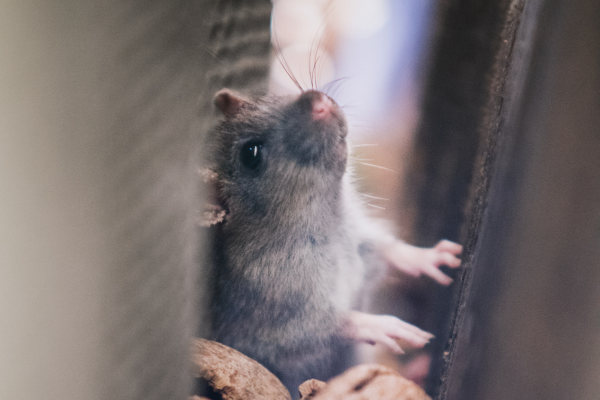
The house mouse is the rodent most often found living inside homes. As outdoor temperatures fall and natural food becomes harder to find, mice search for shelter that offers warmth, nesting material, and a steady food supply. A heated home provides all three.
Wall voids are especially appealing. They are dark, protected from predators, and often lined with insulation that mice shred for nesting. Mice are also remarkably small and flexible. An adult house mouse can squeeze through an opening about the width of a dime, which is why gaps around pipes, utility lines, vents, and foundations can give them access without anyone noticing.
Once indoors, a winter mice infestation does not slow down. Stable indoor temperatures and access to food allow mice to keep breeding throughout the cold months.
What Mice in Walls Sound Like
Scratching in walls is the sound most homeowners notice first, but mice make several distinct noises:
- Scratching and scurrying: Light, quick movements as mice travel along wall studs, between floors, and across ceilings.
- Gnawing: A mouse’s front teeth grow continuously, so mice chew constantly on wood, drywall, and other materials to keep them worn down.
- Squeaking: High-pitched sounds, often more noticeable when several mice are nesting together.
Timing is an important clue. Mice are mostly nocturnal and are most active from dusk until dawn. That is why noises in walls at night are so common: the house is quiet, and mice are out looking for food. The sounds may also seem to move from one spot to another, which reflects mice traveling through the spaces behind your walls.
Mice or Something Else? Telling Rodents in Walls Apart
Not every sound in a wall comes from mice. A few details can help narrow down the source:
- Squirrels are active during the day, especially in the early morning and late afternoon. Their movement sounds heavier, and they are more often heard in attics than inside lower walls.
- Rats are larger and louder than mice. In Ohio, Norway rats tend to stay in lower areas of a building, such as basements and crawlspaces.
- Raccoons produce heavy thumping and are usually found in attics or chimneys rather than inside wall voids.
- Bats may be heard squeaking or fluttering, most often in attics around dusk.
Light, fast scratching at night, especially inside walls or under floors, is most consistent with mice. Still, identifying the animal correctly matters, because each one calls for a different response. Mice are not the only pests that stay hidden, either. Termites also work out of sight, and the signs of termite damage most homeowners miss are easy to overlook for the same reason.
Other Signs of Mice in Walls
Sounds are often the first warning, but mice usually leave physical evidence as well:
- Droppings: Small, dark, rod-shaped pellets about 1/8 to 1/4 inch long, often found along baseboards, inside cabinets, in drawers, and behind appliances.
- Gnaw marks: Chewed food packaging, wood, baseboards, or wiring.
- Rub marks: Dark, greasy smudges along walls and baseboards, left by oils in a mouse’s fur as it travels the same routes.
- Odor: A musky, ammonia-like smell caused by urine, which becomes stronger in enclosed spaces.
- Nesting material: Shredded paper, fabric, or insulation tucked into hidden corners.
- Pet behavior: Dogs and cats may stare at, sniff, or paw at a specific section of wall.
Seeing even one of these signs alongside scratching sounds is a strong indication that mice have settled in.
Why Mice in the House Are More Than a Nuisance
They Multiply Quickly
House mice reproduce fast. A female can have a new litter roughly every three weeks, typically with five or six pups, and young mice can begin breeding at around six weeks old. A few mice that get inside in November can become a much larger population before spring. In apartments and townhomes, mice can also travel through shared walls and utility spaces, which is one of the ways pests spread between apartment units.
They Can Damage Your Home
Because mice gnaw constantly, they can chew through electrical wiring inside walls. Damaged wiring can create a fire hazard, and it often goes unnoticed because it happens out of sight. Mice also contaminate insulation with droppings and urine.
They Can Affect Your Health
The Centers for Disease Control and Prevention notes that rodents can spread diseases to people through their droppings, urine, and saliva. House mice can contaminate food and kitchen surfaces, and mouse allergens are a known trigger for asthma, particularly in children. Deer mice, which are also found in Ohio, can carry hantavirus. The CDC warns against sweeping or vacuuming rodent droppings, because doing so can release particles into the air. This is one of several reasons cleanup is best left to trained professionals.
Why a Professional Approach Matters
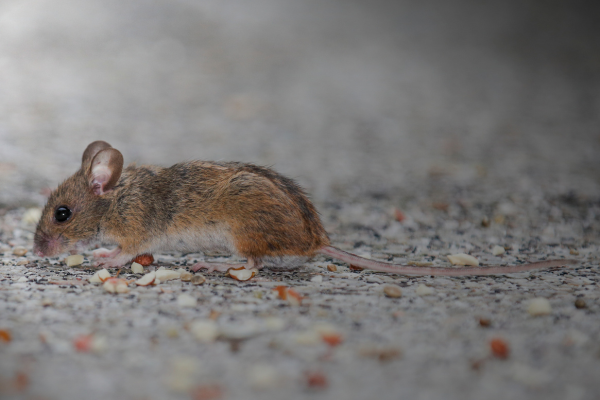
Mice nesting inside walls are difficult to reach and even harder to see. Store-bought products placed in open rooms may catch an occasional mouse, but they do not show where mice are nesting, how they are getting inside, or how many are present. Meanwhile, the population keeps growing. A mouse that dies inside a wall can also leave behind a strong odor that lingers.
A trained technician can identify which rodent you are dealing with, locate activity you may not be able to see, and recommend a plan based on your home. Acting early also matters. Rodent problems that start in winter often continue into warmer months, which is why professional mice extermination is key for spring protection.
Hearing Noises in Your Walls? Call Prevent Pest Control
If you are hearing scratching in your walls, finding droppings, or noticing other signs of rodents, do not wait for the problem to grow. Prevent Pest Control provides animal removal and Ohio rodent control for homeowners who want answers and a clear path forward. Our team can inspect your home and help you understand what is behind those sounds.
Main Line: (440) 322-0887
Emergency Line: 440-610-5345
Contact Prevent Pest Control today to schedule your inspection.
Frequently Asked Questions
1. What does it sound like when mice are in your walls?
Mice in walls usually make light scratching, scurrying, gnawing, and squeaking sounds. These noises are most noticeable at night, when the house is quiet and mice are most active.
2. Why do I hear scratching in my walls at night?
Mice are mostly nocturnal and are most active from dusk until dawn. Nighttime scratching often means mice are moving through wall voids while they search for food.
3. How do mice get inside walls?
An adult house mouse can squeeze through an opening about the width of a dime. Small gaps around pipes, utility lines, vents, and foundations can give mice access to the spaces behind your walls.
4. Why do mice come into Ohio homes in winter?
As temperatures drop and outdoor food becomes scarce, mice look for warmth, shelter, and food. A heated home offers all three, which is why mouse activity often rises in late fall and winter.
5. How can I tell if it’s mice or squirrels in my walls?
Squirrels are active during the day, sound heavier, and are usually heard in attics. Mice are smaller, quieter, and most active at night, often inside walls or under floors.
6. What do mouse droppings look like?
Mouse droppings are small, dark, and rod-shaped, about 1/8 to 1/4 inch long with pointed ends. They are often found along baseboards, in cabinets, in drawers, and behind appliances.
7. Can mice in walls damage my home?
Yes. Mice gnaw constantly and can chew through electrical wiring inside walls, which can create a fire hazard. They also contaminate insulation with droppings and urine.
8. Are mice in the house a health risk?
The CDC notes that rodents can spread diseases through droppings, urine, and saliva. Mouse allergens can also trigger asthma, and deer mice found in Ohio can carry hantavirus.
9. How fast can a mouse problem grow?
Very quickly. A female house mouse can have a litter about every three weeks, usually with five or six pups, and young mice can start breeding at around six weeks old.
10. Should I call a professional if I hear mice in my walls?
Yes. Mice nesting inside walls are hard to find and reach, and the CDC advises against sweeping or vacuuming droppings. Prevent Pest Control can inspect your home and help you address the problem.

Prevent Pest Control has been proudly serving Ohio communities since 1996, delivering expert pest management solutions backed by over two decades of hands-on experience. Our skilled team is equipped to handle a full range of pest problems, from common household nuisances like ants and spiders to more serious infestations involving rodents, termites, and bed bugs.
We offer reliable, customized treatments for both residential and commercial properties, always focused on safety, effectiveness, and customer satisfaction. Our service area covers much of central and northern Ohio, including major cities such as Cleveland, Columbus, Dayton, and Cincinnati.
Contact Us
We are always here to help. Looking forward to hearing from you!