
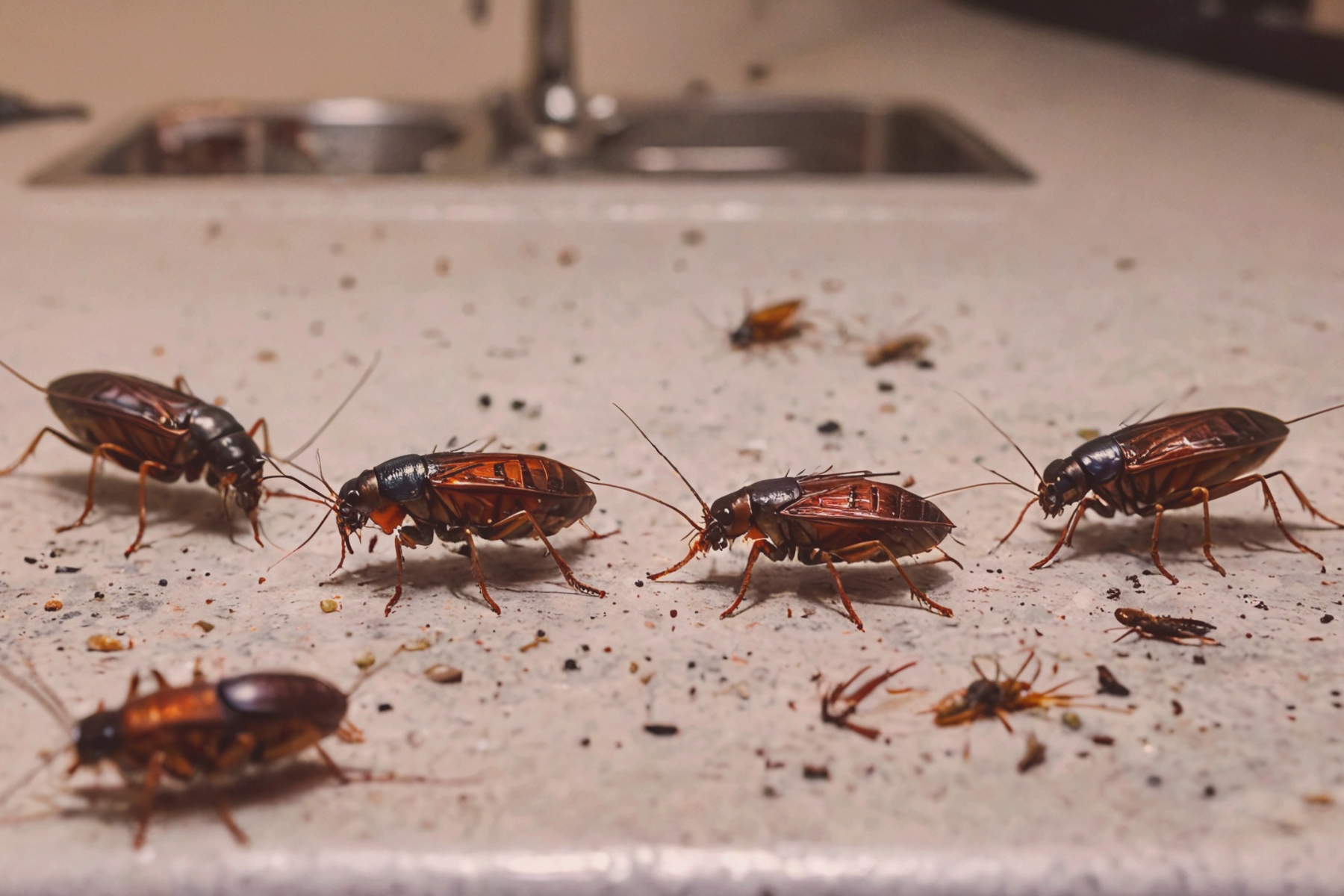
Cockroaches are among the most resilient and unwelcome pests that can invade your home. Their ability to survive in various conditions, rapid reproduction, and knack for hiding in hard-to-reach places make them a formidable adversary. Not only are they unsightly, but cockroaches can also pose serious health risks by spreading bacteria, contaminating food, and triggering allergies or asthma in sensitive individuals. Fortunately, with the right strategy, cockroach removal from your home is easy.
 Understanding the Cockroach Problem
Before diving into removal techniques, it’s essential to understand why cockroaches are such a challenge. Cockroaches are nocturnal creatures that thrive in warm, humid environments with easy access to food and water. Common species, such as the German cockroach, American cockroach, and Oriental cockroach, are particularly adept at infiltrating homes. They can enter through tiny cracks, vents, drains, or even hitch a ride on grocery bags or second-hand furniture.
Once inside, cockroaches multiply quickly. A single female German cockroach, for example, can produce up to 400 offspring in her lifetime. Their ability to hide in crevices, behind appliances, or inside walls makes them difficult to detect until the infestation is significant. Recognizing the signs of a cockroach problem—such as droppings that resemble coffee grounds, musty odors, or shed skins—is the first step toward effective control.
Step 1: Maintain a Clean and Clutter-Free Home
Cockroaches are attracted to food, water, and shelter. Keeping your home clean and free of clutter is one of the most effective ways to deter them. Here are some cleaning tips to implement:
- Clean Up Food Residues Immediately: Wipe down countertops, sweep floors, and clean spills as soon as they happen. Cockroaches can survive on tiny crumbs, so leaving food out is an open invitation.
- Store Food Properly: Keep all food, including pet food, in airtight containers. Avoid leaving open packages of snacks or unsealed bags in pantries.
- Take Out the Trash Regularly: Use a trash can with a tight-fitting lid and empty it frequently. Clean the trash can periodically to remove any food residues.
- Declutter Your Space: Remove piles of newspapers, cardboard boxes, or unused items where cockroaches can hide. A clutter-free home leaves fewer places for pests to take shelter.
- Clean Appliances and Hidden Areas: Regularly clean under and behind appliances like refrigerators, ovens, and microwaves, where grease and food particles can accumulate.
Step 2: Seal Entry Points
Preventing cockroaches from entering your home is critical to long-term pest control. Inspect your home for potential entry points and seal them to create a barrier against invaders. Focus on the following areas:
- Cracks and Crevices: Use caulk to seal gaps around baseboards, windows, doors, and walls. Pay special attention to areas where pipes or wires enter your home.
- Vents and Drains: Install mesh screens over vents and use drain covers to prevent cockroaches from crawling through pipes.
- Doors and Windows: Ensure doors and windows have tight-fitting screens and weather stripping. Replace damaged screens promptly.
- Check Incoming Items: Inspect grocery bags, deliveries, or second-hand items before bringing them indoors, as cockroaches can hide in these objects.
Step 3: Eliminate Water Sources
Cockroaches can survive for weeks without food but need water to thrive. Eliminating standing water and reducing moisture in your home can significantly deter these pests. Consider the following steps:
- Fix Leaky Pipes and Faucets: Repair any leaks in your plumbing system, as even small drips can attract cockroaches.
- Dry Sinks and Tubs: Wipe down sinks, bathtubs, and showers after use to remove standing water.
- Use a Dehumidifier: In humid climates or damp areas like basements, a dehumidifier can reduce moisture levels, making your home less hospitable to cockroaches.
- Empty Pet Water Bowls: Avoid leaving pet water bowls out overnight, as they can serve as a water source for pests.
Step 4: Use Baits and Traps Strategically
Baits and traps are effective tools for reducing cockroach populations and monitoring infestations. These methods target cockroaches directly and can be used in conjunction with preventive measures. Here’s how to use them effectively:
- Cockroach Baits: Bait stations or gel baits contain poison that cockroaches consume and carry back to their nests, killing others in the colony. Place baits in high-traffic areas, such as under sinks, behind appliances, or along baseboards. Follow product instructions carefully to ensure safety, especially in homes with children or pets.
- Sticky Traps: These non-toxic traps capture cockroaches as they move through your home. Place traps in areas where you’ve seen cockroach activity to gauge the severity of the infestation and identify hotspots.
- Monitor and Replace: Check traps and baits regularly, replacing them as needed. If you notice fewer cockroaches over time, it’s a sign that your efforts are working.
Step 5: Consider Natural Remedies
For those who prefer eco-friendly or non-toxic solutions, several natural remedies can help repel or eliminate cockroaches. While these methods may not be as potent as chemical treatments, they can be useful in mild infestations or as part of a broader strategy:
- Diatomaceous Earth: This powdery substance, made from fossilized algae, dehydrates cockroaches by damaging their exoskeletons. Sprinkle food-grade diatomaceous earth in areas where cockroaches are active, such as along baseboards or under appliances.
- Boric Acid: A natural insecticide, boric acid is toxic to cockroaches when ingested. Dust it lightly in hidden areas, but avoid overuse, as it can be harmful to pets or humans if mishandled.
- Essential Oils: Oils like peppermint, eucalyptus, or tea tree have repellent properties. Mix a few drops with water in a spray bottle and apply to areas where cockroaches are present. Reapply regularly for best results.
- Bay Leaves: Place bay leaves in pantries or cabinets, as their scent can deter cockroaches.
 Step 6: Know When to Call a Professional
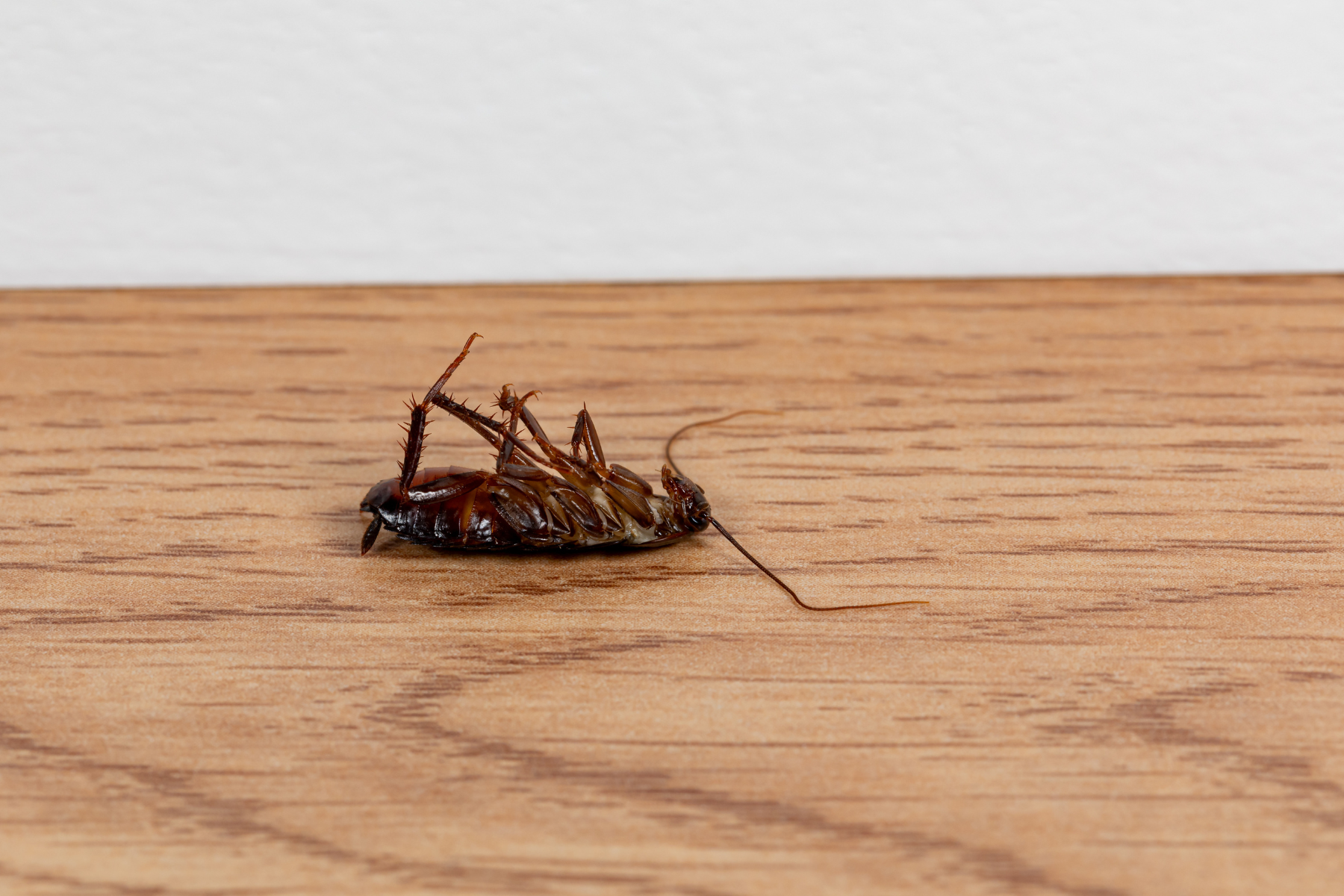
While DIY methods can be effective for minor cockroach problems, severe or persistent infestations may require professional intervention. Pest control experts have access to stronger treatments, such as residual insecticides or fumigation, and can identify the root cause of the infestation. Consider hiring a professional if:
- You see cockroaches during the day, indicating a large population.
- DIY methods have failed to reduce the infestation after several weeks.
- You live in a multi-unit building where cockroaches may be spreading from neighboring units.
When choosing a pest control service, opt for a licensed, reputable company that uses integrated pest management (IPM) techniques, which combine chemical and non-chemical methods for sustainable results.
Contact Prevent Pest Control for Cockroach Removal
For expert assistance in eliminating cockroaches and safeguarding your home, contact Prevent Pest Control today for a consultation and customized pest management solutions tailored to your needs.

Prevent Pest Control has been proudly serving Ohio communities since 1996, delivering expert pest management solutions backed by over two decades of hands-on experience. Our skilled team is equipped to handle a full range of pest problems, from common household nuisances like ants and spiders to more serious infestations involving rodents, termites, and bed bugs.
We offer reliable, customized treatments for both residential and commercial properties, always focused on safety, effectiveness, and customer satisfaction. Our service area covers much of central and northern Ohio, including major cities such as Cleveland, Columbus, Dayton, and Cincinnati.
Contact Us
We are always here to help. Looking forward to hearing from you!