
As temperatures rise during late spring and summer, mosquito activity becomes a common concern for homeowners throughout Northeast Ohio. While many people associate mosquitoes with wooded areas or large bodies of water, these pests can often reproduce much closer to home than expected. In fact, some of the most common mosquito breeding sites are small, hidden areas that homeowners may overlook during regular yard maintenance.
Mosquitoes require standing water to reproduce. Even a very small amount of water can become a suitable environment for mosquito eggs and larvae. Because many breeding areas are easy to miss, mosquito populations can grow quickly without homeowners realizing where the problem is coming from.
Understanding the overlooked mosquito breeding sites around your property can help reduce mosquito activity and make outdoor spaces more comfortable throughout the warmer months.
Why Standing Water Matters
Mosquitoes depend on water to complete their life cycle. Female mosquitoes lay eggs in stagnant water, where larvae develop before emerging as adult mosquitoes.
Warm summer temperatures speed up this process. During periods of heat and humidity, mosquito larvae can develop quickly, allowing populations to increase in a short amount of time.
This is why identifying hidden mosquito breeding sites is important. Even small water sources that remain undisturbed for several days can support mosquito development.
Birdbaths and Decorative Water Features
 Birdbaths are one of the most commonly overlooked mosquito breeding areas in residential yards.
Because birdbaths hold standing water continuously, they can become ideal environments for mosquito larvae if the water is not refreshed regularly. Decorative fountains and water features may create similar issues if water circulation is limited or maintenance is inconsistent.
Homeowners throughout Lorain County, Medina County, Cuyahoga County, and Lake County often focus on larger water sources while overlooking these smaller decorative features.
Regular cleaning and water replacement can help reduce these types of mosquito breeding sites.
Clogged Gutters
Gutters are another major source of hidden mosquito activity.
Leaves, twigs, and debris can block proper drainage, allowing water to collect inside gutters for long periods of time. Because gutters are elevated and difficult to inspect closely, mosquito larvae may develop unnoticed.
After heavy summer storms, clogged gutters may continue holding water even after the rest of the yard dries out.
Routine gutter cleaning can help eliminate one of the more common overlooked mosquito breeding sites around homes.
Flowerpot Saucers and Gardening Containers
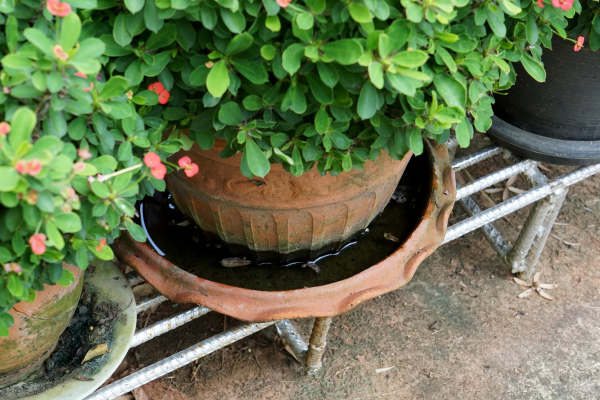
Many homeowners enjoy gardening during the summer, but flowerpots and gardening containers can create favorable conditions for mosquitoes.
Water often collects in saucers placed beneath pots, especially after rainfall or watering. If left standing for several days, these shallow pools can support mosquito larvae.
Unused pots, buckets, watering cans, and gardening trays may also collect rainwater unexpectedly.
Because these items are small and frequently moved around the yard, they are often forgotten when checking for mosquito breeding sites.
Kiddie Pools and Outdoor Toys
Children’s outdoor toys can also contribute to mosquito activity.
Plastic toys, kiddie pools, wagons, and play equipment may collect rainwater in small pockets and crevices. Even a small amount of standing water can attract mosquitoes.
Inflatable pools that are not drained regularly may become more significant breeding areas during hot weather.
Homeowners often focus on larger standing water sources while overlooking water trapped in toys and play equipment.
Tarps and Pool Covers
Tarps are frequently used during summer to cover firewood, equipment, grills, or outdoor furniture. Pool covers are also common during certain parts of the season.
Unfortunately, these materials often sag and collect rainwater. Because the water may remain shaded and undisturbed, it can become an ideal environment for mosquito larvae.
Poorly fitted pool covers are among the more overlooked mosquito breeding sites because homeowners may assume the covered pool itself is protected.
Inspecting tarps and covers regularly after rainfall can help reduce mosquito development.
Low Spots in the Yard
Some mosquito breeding areas are built directly into the landscape itself.
Low spots in lawns or poorly draining areas may collect water after heavy rain. If these puddles remain for several days, mosquitoes may use them for breeding.
Compacted soil, drainage problems, and improper grading can all contribute to standing water accumulation.
These types of mosquito breeding sites may be especially common in shaded areas where moisture evaporates slowly.
Improving drainage and monitoring low areas after storms can help reduce mosquito activity.
Tires and Stored Equipment
Old tires are well-known mosquito breeding environments because they easily trap rainwater and retain moisture.
Stored wheelbarrows, buckets, bins, and outdoor equipment can create similar conditions if left exposed to rainfall.
Because these items are often stored behind sheds, garages, or fences, they may not receive regular attention.
Mosquitoes are attracted to protected, stagnant water sources, making stored equipment a common contributor to hidden mosquito breeding sites.
Pet Water Bowls and Animal Areas
Pet water bowls are necessary during hot weather, but they can also contribute to mosquito activity if not cleaned regularly.
Outdoor kennels, animal troughs, and nearby containers may collect standing water as well.
Changing water frequently and cleaning containers can help reduce mosquito attraction while still keeping pets hydrated during summer.
Drainage Ditches and Stormwater Areas
In some neighborhoods throughout Northeast Ohio, stormwater management systems and drainage ditches may contribute to mosquito activity.
Areas where water collects slowly after rainfall can create favorable breeding environments if water remains stagnant.
Properties near retention ponds, wooded areas, or drainage channels may experience increased mosquito pressure because of nearby water sources.
These larger mosquito breeding sites may affect entire neighborhoods rather than just individual properties.
Why Mosquitoes Prefer Certain Yards
Some yards naturally attract more mosquitoes because they provide shelter, moisture, and protection from wind and sunlight.
Dense landscaping, tall grass, thick shrubs, and shaded areas create cool resting spots where mosquitoes hide during the day.
If standing water is present nearby, mosquitoes are more likely to remain active around the property.
Homes located near wooded areas, streams, or poorly drained land may experience increased mosquito populations throughout the summer months.
Understanding what makes a yard attractive to mosquitoes can help homeowners identify possible mosquito breeding sites more effectively.
Why Mosquito Problems Increase in Summer
Warm weather speeds up mosquito development and increases mosquito activity overall.
As summer temperatures rise, water evaporates more slowly in shaded areas, especially during humid periods. Frequent rainfall can also create repeated opportunities for mosquitoes to reproduce.
This combination of heat, humidity, and standing water explains why mosquito populations often increase significantly during the summer months in Northeast Ohio.
Because mosquitoes can reproduce quickly, small overlooked water sources may become larger problems over time.
The Importance of Consistent Yard Inspections
 One of the best ways to reduce mosquito populations is through regular inspection of the property.
Checking the yard weekly for standing water can help homeowners identify developing mosquito breeding sites before mosquito populations increase.
This process often involves inspecting less obvious areas such as gutters, tarps, toys, landscaping edges, and hidden corners of the yard.
Because mosquitoes only need a small amount of water to reproduce, even brief inspections can make a difference.
Why DIY Mosquito Prevention Has Limitations
Many homeowners attempt to reduce mosquito activity using sprays, candles, traps, or other temporary products.
While some products may provide short-term relief, they often do not address the hidden breeding areas responsible for the mosquito population.
Without identifying and managing the underlying mosquito breeding sites, mosquitoes may continue reproducing nearby.
Comprehensive mosquito management usually involves both prevention and targeted treatment approaches.
Professional Mosquito Control Services
For homeowners dealing with persistent mosquito activity, professional pest control services may help identify breeding areas and reduce mosquito pressure around the property.
Prevent Pest Control provides flea, tick, and mosquito removal services for homeowners throughout Northeast Ohio, including Lorain County, Medina County, Cuyahoga County, and Lake County.
Professional inspections can help identify less obvious mosquito-prone areas around the home and provide recommendations based on the property’s conditions.
Because mosquito populations often originate from multiple hidden areas, professional guidance may help homeowners manage ongoing summer mosquito concerns more effectively.
Seasonal Awareness Can Help Reduce Mosquito Activity
Mosquitoes are a normal part of summer in Ohio, but hidden breeding areas can significantly increase activity around homes.
By understanding where mosquitoes reproduce and monitoring overlooked water sources, homeowners can reduce the likelihood of large mosquito populations developing in their yard.
Awareness of hidden mosquito breeding sites is especially important during periods of heavy rain, high humidity, and warm temperatures when mosquito development accelerates.
Contact Prevent Pest Control for Mosquito Concerns
If mosquitoes are becoming a persistent issue around your home, Prevent Pest Control can help evaluate the situation and identify potential mosquito breeding areas around your property. We serve homeowners throughout Northeast Ohio, including Lorain County, Medina County, Cuyahoga County, and Lake County. To learn more about mosquito control services or schedule an inspection, call Prevent Pest Control at (440) 322-0887 or visit Prevent Pest Control Flea Tick Mosquito Removal.
Common FAQs
1. What are mosquito breeding sites?
Mosquito breeding sites are areas where standing water collects long enough for mosquitoes to lay eggs and for larvae to develop. These can include birdbaths, clogged gutters, flowerpot saucers, tarps, toys, and low spots in the yard.
2. How much water do mosquitoes need to breed?
Mosquitoes can breed in very small amounts of stagnant water. Even small containers, bottle caps, or shallow puddles can become mosquito breeding sites if the water remains undisturbed.
3. Why are clogged gutters a mosquito problem?
Clogged gutters trap rainwater and debris, creating a hidden standing water source. Because gutters are often out of sight, they can become mosquito breeding sites without homeowners noticing.
4. Can birdbaths attract mosquitoes?
Yes. Birdbaths can attract mosquitoes if the water is not changed regularly. Refreshing and cleaning birdbaths can help reduce mosquito larvae.
5. Do flowerpots and saucers create mosquito breeding sites?
Yes. Water can collect in flowerpot saucers, trays, and unused gardening containers. If left standing, these areas may support mosquito development.
6. Why do mosquitoes like shaded yards?
Mosquitoes prefer shaded, humid areas because they help adults rest and avoid drying out. Dense shrubs, tall grass, and shaded landscaping can make a yard more attractive to mosquitoes.
7. Can outdoor toys hold enough water for mosquitoes?
Yes. Kiddie pools, wagons, plastic toys, and play equipment can trap rainwater in small pockets, creating overlooked mosquito breeding sites.
8. How often should I check my yard for standing water?
During warm weather, it is helpful to check your yard at least once a week and after heavy rain. Removing standing water regularly can reduce mosquito breeding opportunities.
9. Why do mosquito problems get worse in summer?
Warm temperatures, humidity, and rainfall create ideal conditions for mosquitoes. These conditions help larvae develop faster and increase mosquito activity around yards.
10. When should I contact Prevent Pest Control for mosquitoes?
If mosquitoes remain a problem even after removing standing water and maintaining your yard, contact Prevent Pest Control at (440) 322-0887 for professional mosquito control guidance.

Prevent Pest Control has been proudly serving Ohio communities since 1996, delivering expert pest management solutions backed by over two decades of hands-on experience. Our skilled team is equipped to handle a full range of pest problems, from common household nuisances like ants and spiders to more serious infestations involving rodents, termites, and bed bugs.
We offer reliable, customized treatments for both residential and commercial properties, always focused on safety, effectiveness, and customer satisfaction. Our service area covers much of central and northern Ohio, including major cities such as Cleveland, Columbus, Dayton, and Cincinnati.
Contact Us
We are always here to help. Looking forward to hearing from you!