

Buying a home in Ohio is exciting—a fresh start, a place to build memories. But hidden threats like termites, carpenter ants, or powderpost beetles can turn that dream into a nightmare of repairs and regret. At Prevent Pest Control, we’ve seen it all, and a Wood-Destroying Insect (WDI) inspection is your first line of defense. Let’s break down why these inspections are non-negotiable for Ohio real estate, what they reveal, the risks of skipping one, and how our licensed Cleveland team keeps your investment safe.
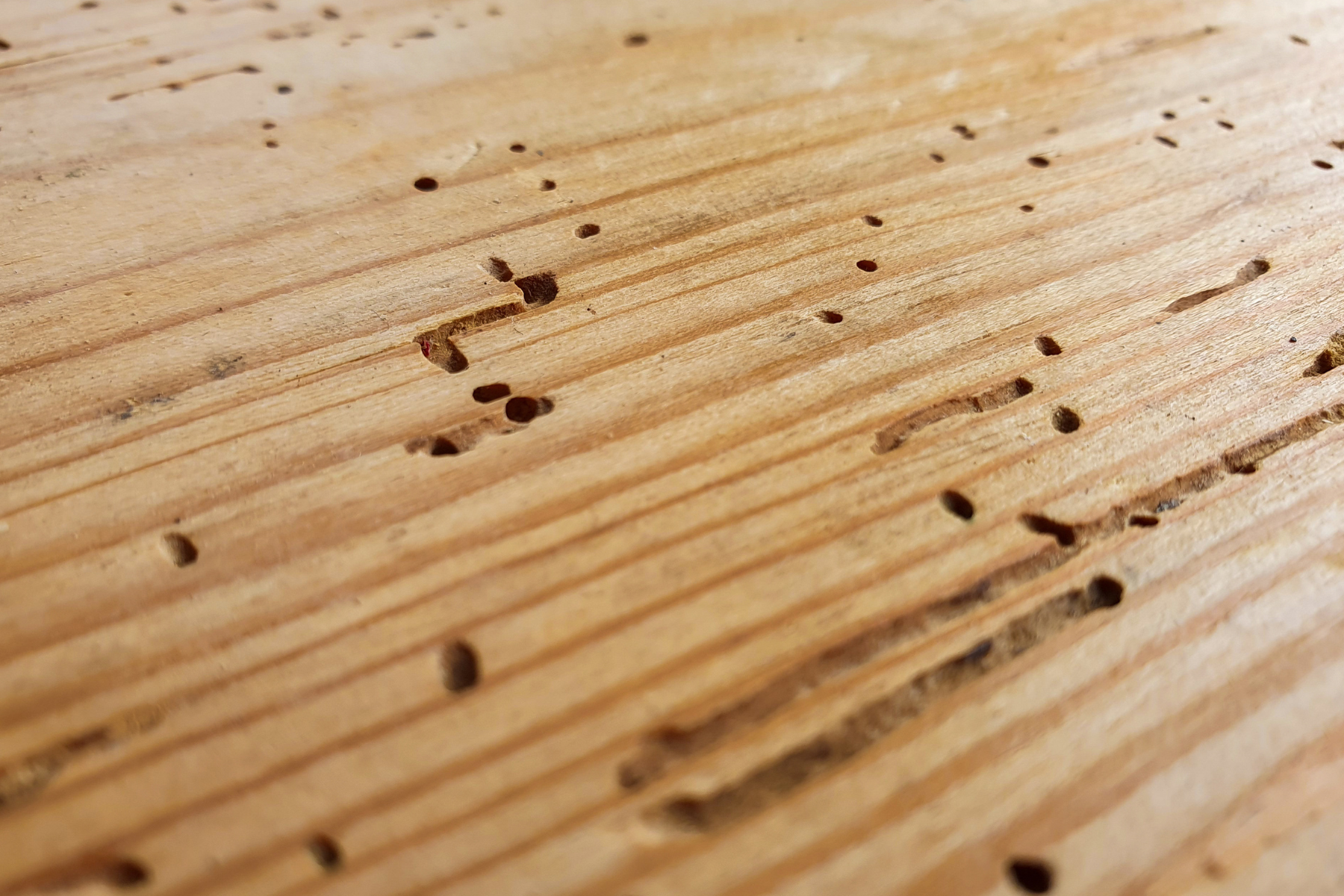 The Hidden Enemy: What Are Wood-Destroying Insects?
Ohio’s climate—humid summers and freezing winters—creates perfect conditions for wood-destroying insects. Termites, the most notorious, munch through wood silently, causing more structural damage in the U.S. than fires and storms combined (according to the National Pest Management Association). In Cuyahoga County, subterranean termites tunnel up from soil, while drywood termites hitchhike in furniture.
Then there are carpenter ants, black or reddish beasts that excavate wood for nests, leaving trails of sawdust. Powderpost beetles bore tiny holes, turning beams into honeycomb. Carpenter bees drill into siding, weakening exteriors. These pests don’t announce themselves—they work in the dark, feasting on your home’s frame.
Why Ohio Real Estate Demands WDI Inspections
In Ohio, WDI inspections aren’t optional for most real estate deals. The Ohio Department of Agriculture mandates that inspections for real estate transactions be performed by licensed inspectors under the Wood-Destroying Insect (WDI) license, part of the state’s pesticide law. Lenders, especially for FHA, VA, HUD, and conventional mortgages, require the NPMA-33 form—a standardized report detailing visible evidence of past or present activity.
Why? These insects cause billions in damage annually. In Ohio, termites alone cost homeowners $100 million yearly. A WDI inspection is your due diligence, uncovering issues before closing. It covers open and accessible areas—crawlspaces, attics, basements, garages, and exteriors—checking for live insects, damage, or previous treatments.
For VA loans, it’s non-negotiable; FHA and HUD often require it too. Skipping it can delay your loan or leave you on the hook for repairs. In Cuyahoga County, where older homes abound, the risk is higher—many pre-1980 structures have untreated wood.
What a WDI Inspection Reveals (And Why It’s Worth Every Penny)
A licensed WDI inspection is a visual detective work, not a guarantee of no insects (that’s impossible without tearing down walls). Using the NPMA-33 form, our Prevent Pest Control inspectors check:
- Visible Activity: Live insects, mud tubes (termites), galleries (carpenter ants), or exit holes (beetles).
- Damage: Wood that’s soft, hollow, or riddled with tunnels.
- Previous Treatments: Records of past pest control, including soil treatments (valid 5 years for termites).
- Conditions Conducive: Moisture, wood-to-soil contact, or poor ventilation that invites pests.
The Legal Side: Ohio’s Rules for WDI Inspections
Ohio law (Ohio Administrative Code 901:5-11-13) requires WDI inspections for real estate transactions be done by licensed commercial applicators with Category 12 certification. This ensures accuracy and liability protection. The inspector must use NPMA-33, documenting findings in detail.
For buyers, it’s protection; for sellers, it’s disclosure. If damage is found, treatment recommendations are mandatory. Prevent Pest Control’s inspectors undergo annual training from OSU Extension, keeping us ahead of Ohio’s pest trends.
Common Myths About WDI Inspections in Ohio
- Myth 1: “New construction doesn’t need one.” Reality: Even new homes use treated wood that can fail if not inspected.
- Myth 2: “It’s just termites—ants aren’t a big deal.” Reality: Carpenter ants cause as much damage as termites in Ohio.
- Myth 3: “I can do it myself.” Reality: Only licensed inspectors qualify; unlicensed reports are invalid for loans.
- Myth 4: “It’s too expensive.” Reality: $100 saved now can cost $10,000 later.
 How Prevent Pest Control Makes WDI Inspections Easy
As a licensed Ohio WDI inspector, Prevent Pest Control streamlines the process:
- Quick Scheduling: Same-day or next-day appointments for closings.
- Bundle Services: Pair with general pest inspections for full protection.
Contact Prevent Pest Control Today
A WDI inspection isn’t an expense—it’s insurance for your biggest investment. In Ohio’s variable climate, wood-destroying insects are a real threat, and skipping the inspection is like buying a car without checking the engine. Don’t gamble—protect your future. Contact Prevent Pest Control at (440) 322-0887 or visit our website.
Common FAQs About WDI
1. How does Prevent Pest Control eliminate termites in Cleveland homes?
We use professional-grade soil treatments, direct wood applications, and long-lasting residual insecticides that stop subterranean and drywood termites at the source.
2. What treatment does Prevent Pest Control use for carpenter ants in Cuyahoga County?
Our licensed technicians apply non-repellent insecticides directly into galleries and voids, plus perimeter barriers.
3. Can Prevent Pest Control get rid of powderpost beetles in older Cleveland homes?
Yes — we perform targeted surface and injected treatments with professional borate-based and residual products that penetrate deep into infested wood.
4. How does Prevent Pest Control stop carpenter bees from destroying decks and siding?
We treat each gallery with dust insecticides and seal holes, then apply a long-lasting exterior barrier that prevents new bees from drilling.
5. How quickly can Prevent Pest Control eliminate an active termite infestation?
Most active termite colonies are under control within 30–90 days with our professional chemical treatments and scheduled follow-ups.
7. Is it safe for my family and pets during Prevent Pest Control’s WDI treatments?
Absolutely. We use EPA-registered professional products applied by licensed technicians. You can return the same day once treated surfaces dry.
8. What areas of Cleveland does Prevent Pest Control treat for wood-destroying insects?
Everywhere in Cuyahoga and surrounding counties: Cleveland, Lakewood, Parma, Westlake, Strongsville, Shaker Heights, Rocky River, Euclid, North Olmsted, and beyond.
9. Why choose Prevent Pest Control to eliminate wood-destroying insects in your home?
Local, family-owned, Ohio-licensed, strongest professional chemical treatments available, and same-day/emergency service. Call (440) 322-0887 and protect your biggest investment today!

Prevent Pest Control has been proudly serving Ohio communities since 1996, delivering expert pest management solutions backed by over two decades of hands-on experience. Our skilled team is equipped to handle a full range of pest problems, from common household nuisances like ants and spiders to more serious infestations involving rodents, termites, and bed bugs.
We offer reliable, customized treatments for both residential and commercial properties, always focused on safety, effectiveness, and customer satisfaction. Our service area covers much of central and northern Ohio, including major cities such as Cleveland, Columbus, Dayton, and Cincinnati.
Contact Us
We are always here to help. Looking forward to hearing from you!