
Understanding Ticks and Fleas
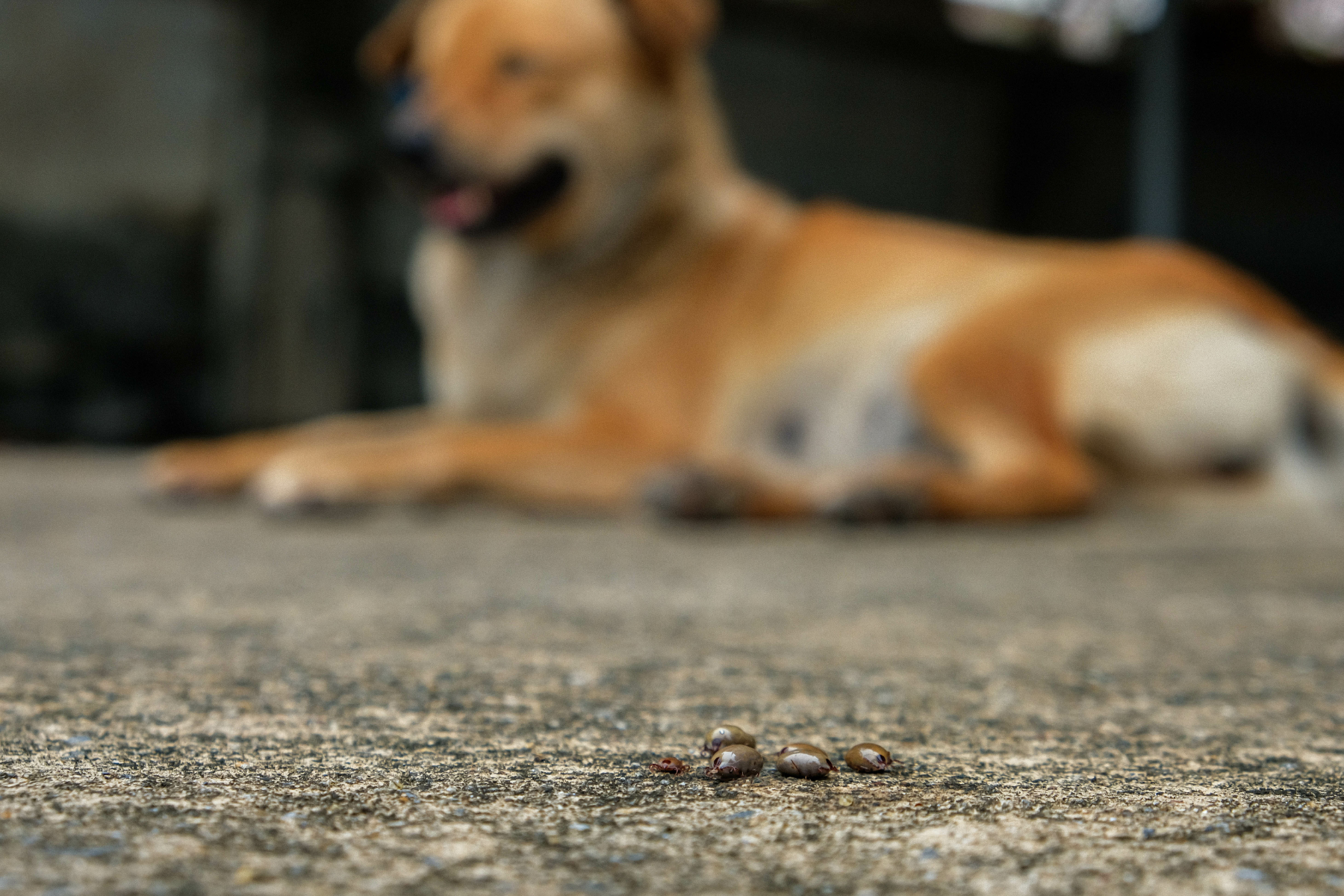
 Ticks and fleas are external parasites that feed on the blood of animals. Ticks are arachnids commonly found in wooded or grassy areas and can transmit serious illnesses like Lyme disease, ehrlichiosis, and anaplasmosis. Fleas, on the other hand, are insects that jump from host to host and can cause itching, allergic reactions, and carry parasites such as tapeworms.
Both pests are most active in warm months and can quickly infest pets and homes. Regular prevention is key to keeping your pets healthy and your environment pest-free.
Step 1: Use Vet-Approved Preventatives
Preventative treatments are your first line of defense. Talk to your vet about what’s best for your pet:
- Topical treatments like Frontline and Advantage protect for up to a month.
- Oral medications such as NexGard or Bravecto offer internal protection.
- Flea and tick collars like Seresto provide months of sustained defense.
- Shampoos and sprays can provide immediate relief, though they are best used alongside longer-lasting solutions.
Always follow your vet’s guidance and read product labels carefully to ensure safety.
Step 2: Maintain a Pet-Safe Yard
A clean, well-maintained yard is essential for flea and tick prevention:
- Keep grass mowed and shrubs trimmed to reduce hiding spots for ticks.
- Remove leaf litter, brush, and excess moisture where pests thrive.
- Install gravel or wood chip barriers to separate lawns from wooded areas.
- Regularly wash pet bedding and outdoor toys.
For stubborn infestations, consult a professional for pet-safe yard treatment options.
Step 3: Perform Regular Pet Checks
Inspect your pets after every outdoor adventure. Focus on high-risk areas:
- Behind the ears
- Neck and collar area
- Under the legs and tail
- Between the toes
Use a flea comb to detect eggs and debris. Flea “dirt” looks like pepper and turns red when wet.
Step 4: Remove Ticks and Fleas Safely
If you find a tick:
- Use fine-tipped tweezers to grasp the tick close to the skin.
- Pull straight upward without twisting.
- Clean the area with soap and water or antiseptic.
For fleas, bathe your pet with vet-approved flea shampoo and use a comb to remove any remaining fleas. Treat your home and yard to avoid reinfestation.
Step 5: Treat Your Home and Indoor Environment
Fleas and ticks can quickly infest indoor spaces. Take the following steps:
- Vacuum daily and dispose of bags outside.
- Wash bedding and blankets in hot water weekly.
- Use EPA-approved indoor sprays if needed, following safety instructions.
- Hire a pest control expert for persistent or severe infestations.
Step 6: Monitor Your Pet’s Health
Ticks and fleas can cause more than just itching. Watch for:
- Skin irritation or hair loss
- Fever, lethargy, or appetite loss
- Excessive scratching or restlessness
If symptoms arise, consult your veterinarian immediately. Regular checkups can catch issues early and help you adjust your prevention plan.
 Step 7: Know When to Call a Professional
Despite your best efforts, ticks and fleas can sometimes get out of hand. You should contact a pest control service if:
- You spot pests indoors or on multiple pets.
- Preventative treatments aren’t working.
- You’re concerned about regional tick-borne illnesses.
Prevent Pest Control offers targeted, pet-safe treatments for your home and yard.
Contact Prevent Pest Control
Protect your furry companions and your home with expert help. Contact Prevent Pest Control today for a free consultation and personalized treatment plan. Schedule your consultation now.

Prevent Pest Control has been proudly serving Ohio communities since 1996, delivering expert pest management solutions backed by over two decades of hands-on experience. Our skilled team is equipped to handle a full range of pest problems, from common household nuisances like ants and spiders to more serious infestations involving rodents, termites, and bed bugs.
We offer reliable, customized treatments for both residential and commercial properties, always focused on safety, effectiveness, and customer satisfaction. Our service area covers much of central and northern Ohio, including major cities such as Cleveland, Columbus, Dayton, and Cincinnati.
Contact Us
We are always here to help. Looking forward to hearing from you!