

When you start noticing itchy bites or see your pets scratching more than usual, your first instinct might be to suspect fleas or ticks. But how can you tell which pest you’re actually dealing with in your yard? While fleas and ticks are both parasitic pests that thrive outdoors, they are distinctly different in their appearance, behavior, habitat, and health risks. Correctly identifying the problem is the first and most important step toward addressing it effectively.
 Understanding the Basics: Fleas and Ticks
Fleas are small, wingless insects that feed on the blood of mammals and birds. Their powerful hind legs allow them to jump significant distances relative to their size, making them highly mobile. Fleas prefer warm, shaded, and humid environments and are commonly found in tall grass, under decks, in leaf litter, or near pet resting areas.
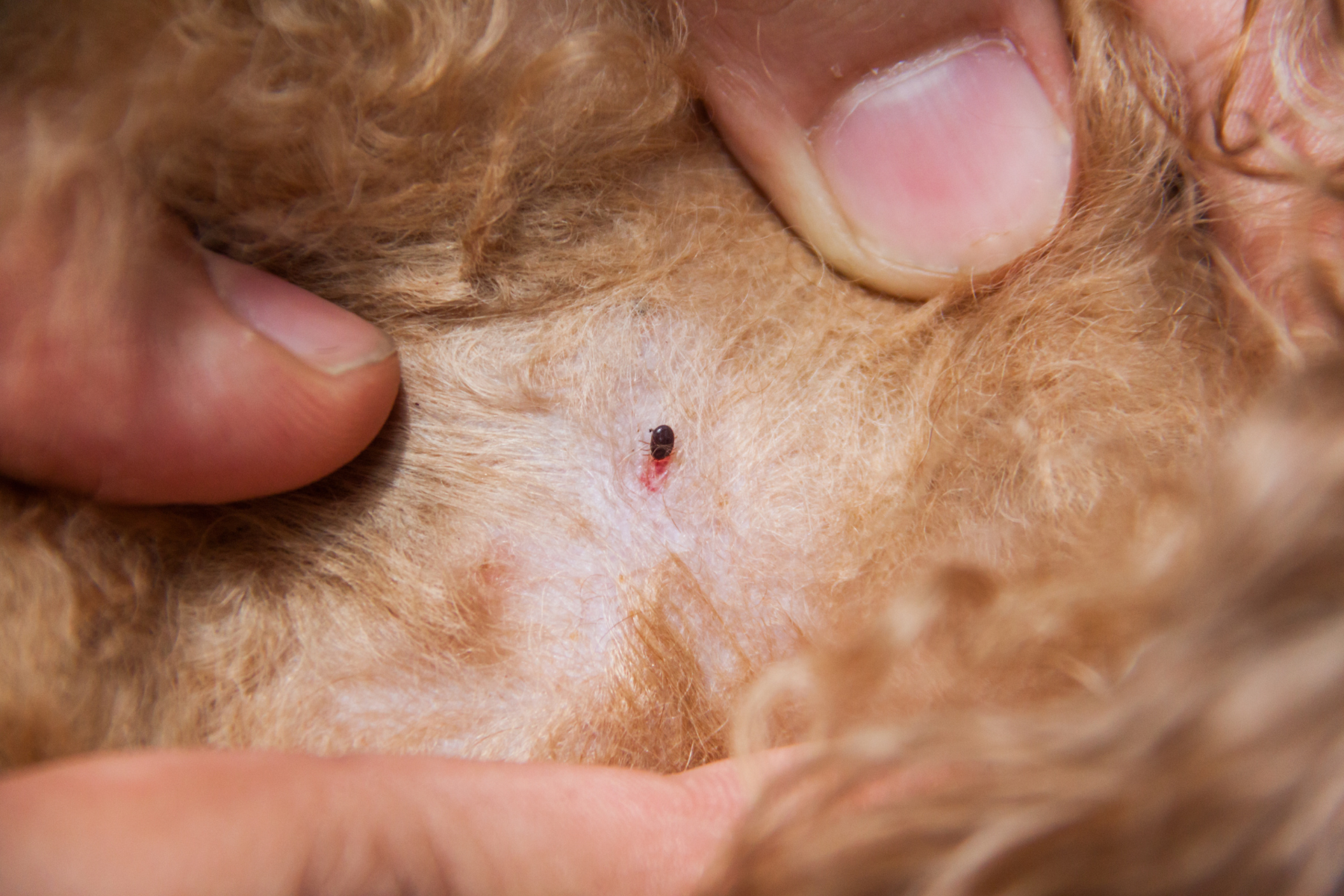
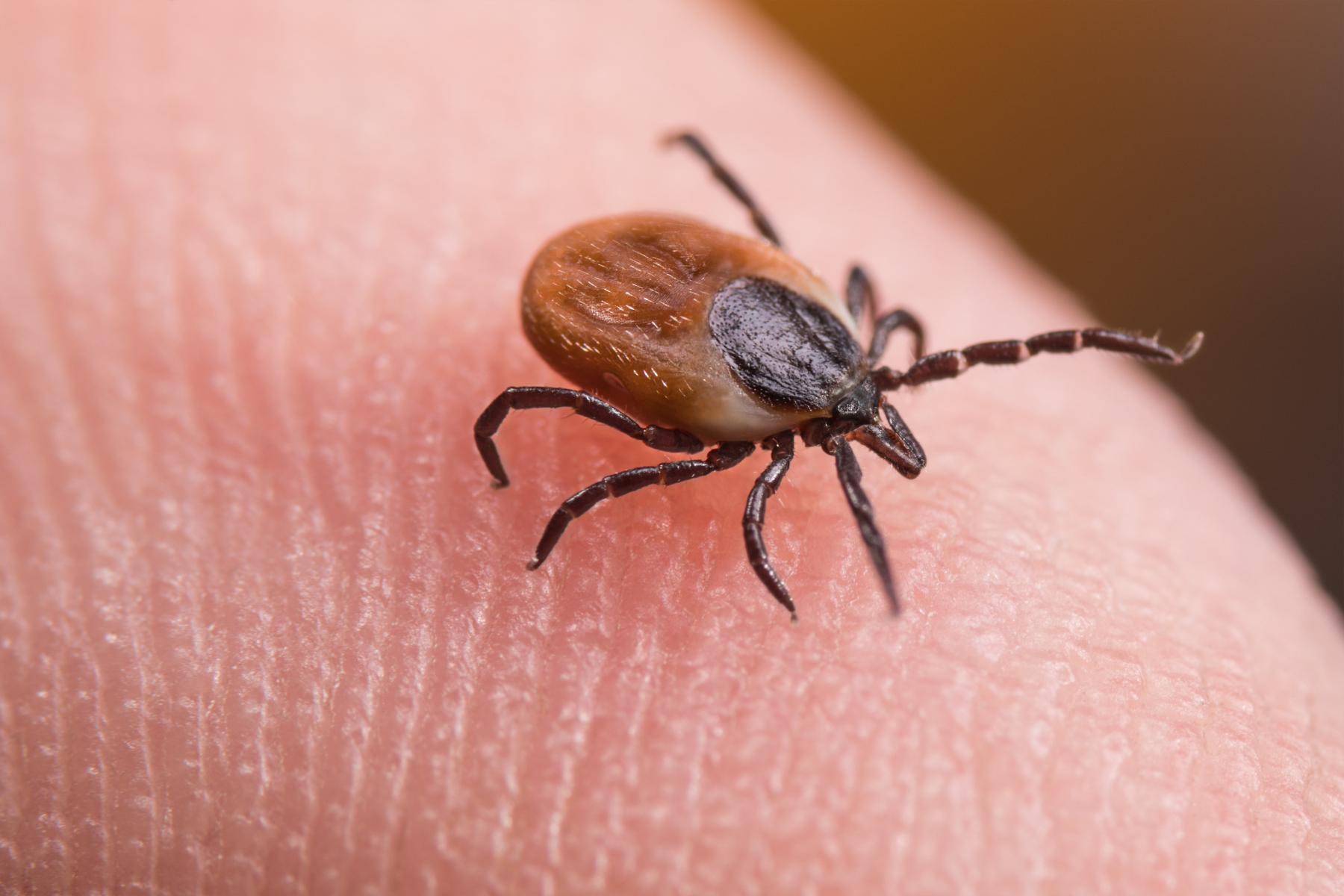
Ticks, on the other hand, are arachnids—relatives of spiders and mites. Unlike fleas, ticks don’t jump or fly; instead, they crawl slowly and attach themselves to hosts by waiting on the tips of grasses or shrubs in a behavior known as “questing.” Once they latch on, they burrow their mouthparts into the skin and can remain attached for hours or even days.
Though both pests feed on blood and can transmit diseases, the way they operate and the risks they pose differ significantly.
Physical Differences Between Fleas and Ticks
Fleas are typically 1-3 mm long, with flat bodies that are reddish-brown. They are difficult to catch because of their jumping ability. You may notice fleas moving quickly through fur or clothing. They tend to avoid light, so spotting one might require close inspection of your pet or your ankles.
Ticks are generally larger, depending on the species and whether they have fed recently. Unfed ticks may appear flat and oval, while engorged ticks become round and balloon-like. Their color ranges from dark brown to grayish-blue when engorged. They are slow-moving and often stay in place once attached.
Habitat and Behavior Differences in the Yard
Fleas thrive in areas frequented by animals. If you have pets that spend time outdoors or wildlife like raccoons, skunks, or stray cats roaming your yard, there’s a good chance fleas are using those areas to lay eggs and develop.
You may find fleas in shaded spots with organic debris, like under porches, in leaf piles, or in dense landscaping. Flea larvae feed on organic matter in soil and need moisture to survive.
Ticks prefer tall grasses, brush, and wooded edges of yards. They are commonly found in transitional areas where lawns meet natural vegetation. If your yard borders a forest, field, or unmaintained area, ticks are more likely to be present.
Ticks are patient. They climb up blades of grass or shrubs and wait with their legs outstretched for a host to pass by. This questioning behavior makes them well adapted to areas where deer, rodents, or other wildlife are present.
Signs of Flea Activity in the Yard
You may have a flea problem in your yard if:
- Your pets scratch excessively or develop red, irritated skin.
- You find flea dirt (small black specks) in pet bedding or fur.
- You notice tiny jumping insects on your socks, shoes, or pants after walking through the yard.
- Wildlife is frequently present in your outdoor spaces.
To test for fleas, wear white socks and walk slowly through suspect areas. Fleas are more visible on light-colored clothing, and you might see them jump onto your socks.
Signs of Tick Activity in the Yard
Tick presence is often less obvious than fleas. Here are common signs:
- Ticks found on pets after spending time outside.
- You or family members find ticks on skin or clothing after yard activities.
- Tick bites that result in a red, itchy bump, sometimes with a central puncture mark.
- High grass, untrimmed shrubs, and shady or wooded edges that provide ideal tick habitat.
Ticks may go unnoticed for several hours or even days while feeding, so it’s important to perform full-body checks after time spent in suspected areas.
Why DIY May Not Be Enough
Many homeowners attempt to address flea or tick problems with over-the-counter sprays, foggers, or home remedies. While these may provide temporary relief, they rarely resolve the underlying problem.
Fleas have a complex life cycle with eggs, larvae, pupae, and adults. Without interrupting this cycle at multiple stages, reinfestation is highly likely. Ticks are resilient and may hide in inaccessible areas, making them hard to eliminate without a professional approach.
Store-bought treatments may also pose health risks to pets, children, and beneficial insects if not used correctly. They often provide short-term solutions without addressing the broader environmental factors that support flea or tick populations.
Professional Inspection and Diagnosis
If you’re unsure whether fleas or ticks are causing the issue in your yard, a professional inspection can provide clarity. Pest control technicians are trained to identify the subtle signs of each pest and recommend a course of action based on your specific property and lifestyle.
Accurate identification is key to effective treatment. Misdiagnosing the problem can lead to wasted time, money, and recurring issues.
 Keeping Your Yard Pet- and Family-Friendly
Whether you have children who play in the yard or pets who lounge in the sun, your outdoor spaces should be safe and comfortable. Ongoing prevention measures are essential to maintain a yard that’s free from parasitic pests.
Simple steps such as mowing regularly, removing leaf debris, creating gravel or mulch barriers, and keeping your pets treated with veterinarian-recommended flea and tick preventives go a long way in reducing pest populations.
Partnering with a professional service ensures that you’re not just reacting to infestations but actively preventing them.
Reclaim Your Yard from Fleas and Ticks
Visit our website at Prevent Pest Control to schedule a professional inspection and take control of your outdoor space. Let us help you identify the problem, treat it effectively, and prevent it from coming back.
Common FAQs About Fleas and Ticks
-
How can I tell if my yard has fleas or ticks?
Fleas are usually found in warm, shaded, humid areas and may be visible jumping on socks or pet fur. Ticks are more likely in tall grass or wooded areas and tend to crawl and attach slowly to skin or animals.
-
What are the physical differences between fleas and ticks?
Fleas are small (1–3 mm), reddish-brown, and capable of jumping. Ticks are larger, slow-moving, and can appear flat or engorged depending on when they last fed.
-
Where do fleas typically live in the yard?
Fleas prefer shaded areas with organic matter such as leaf litter, under decks, and near pet bedding spots. They thrive in areas frequented by pets and wildlife.
-
Where are ticks usually found in my yard?
Ticks favor tall grass, untrimmed shrubs, and wooded edges where they can wait for hosts to brush past. Yards adjacent to forests or overgrown areas are more susceptible.
-
What signs indicate flea activity outdoors?
Signs include pets scratching excessively, flea dirt in pet fur, tiny jumping insects on clothing, and frequent wildlife visitors.
-
What are common signs of tick presence?
Ticks may be found on your body or pets after outdoor activity, or you may discover bites with a red bump. Overgrown vegetation and shady, damp areas are typical tick habitats.
-
Are fleas or ticks more dangerous to humans and pets?
Ticks pose a greater health risk due to their potential to spread diseases like Lyme disease and Rocky Mountain spotted fever. Fleas can cause allergic reactions, transmit tapeworms, and spread bacteria like Bartonella.
-
Why don’t store-bought products fully eliminate fleas or ticks?
Over-the-counter products often only treat surface-level problems. They may not interrupt the flea life cycle or reach hidden ticks, and improper use can pose safety risks.
-
What can I do to prevent fleas and ticks from coming back?
Maintain your yard by mowing regularly, clearing debris, trimming vegetation, and using vet-approved flea and tick preventives on pets. Professional pest services can provide ongoing management and habitat control.
-
When should I call a professional pest control service?
If you’re unsure whether you’re dealing with fleas or ticks—or if treatments aren’t working—it’s best to get a professional inspection to identify and treat the issue effectively and safely.

Prevent Pest Control has been proudly serving Ohio communities since 1996, delivering expert pest management solutions backed by over two decades of hands-on experience. Our skilled team is equipped to handle a full range of pest problems, from common household nuisances like ants and spiders to more serious infestations involving rodents, termites, and bed bugs.
We offer reliable, customized treatments for both residential and commercial properties, always focused on safety, effectiveness, and customer satisfaction. Our service area covers much of central and northern Ohio, including major cities such as Cleveland, Columbus, Dayton, and Cincinnati.
Contact Us
We are always here to help. Looking forward to hearing from you!