

Hiking is a fantastic way to explore Ohio’s scenic trails, from the rolling hills of Cuyahoga Valley National Park to the lush forests of Hocking Hills. However, ticks can turn an enjoyable hike into a health concern. These tiny parasites thrive in wooded, grassy areas and can transmit diseases like Lyme disease, Rocky Mountain spotted fever, and anaplasmosis. For hikers, staying safe means understanding tick risks and taking proactive steps to prevent bites. At Prevent Pest Control, we’re here to help you enjoy the outdoors worry-free.
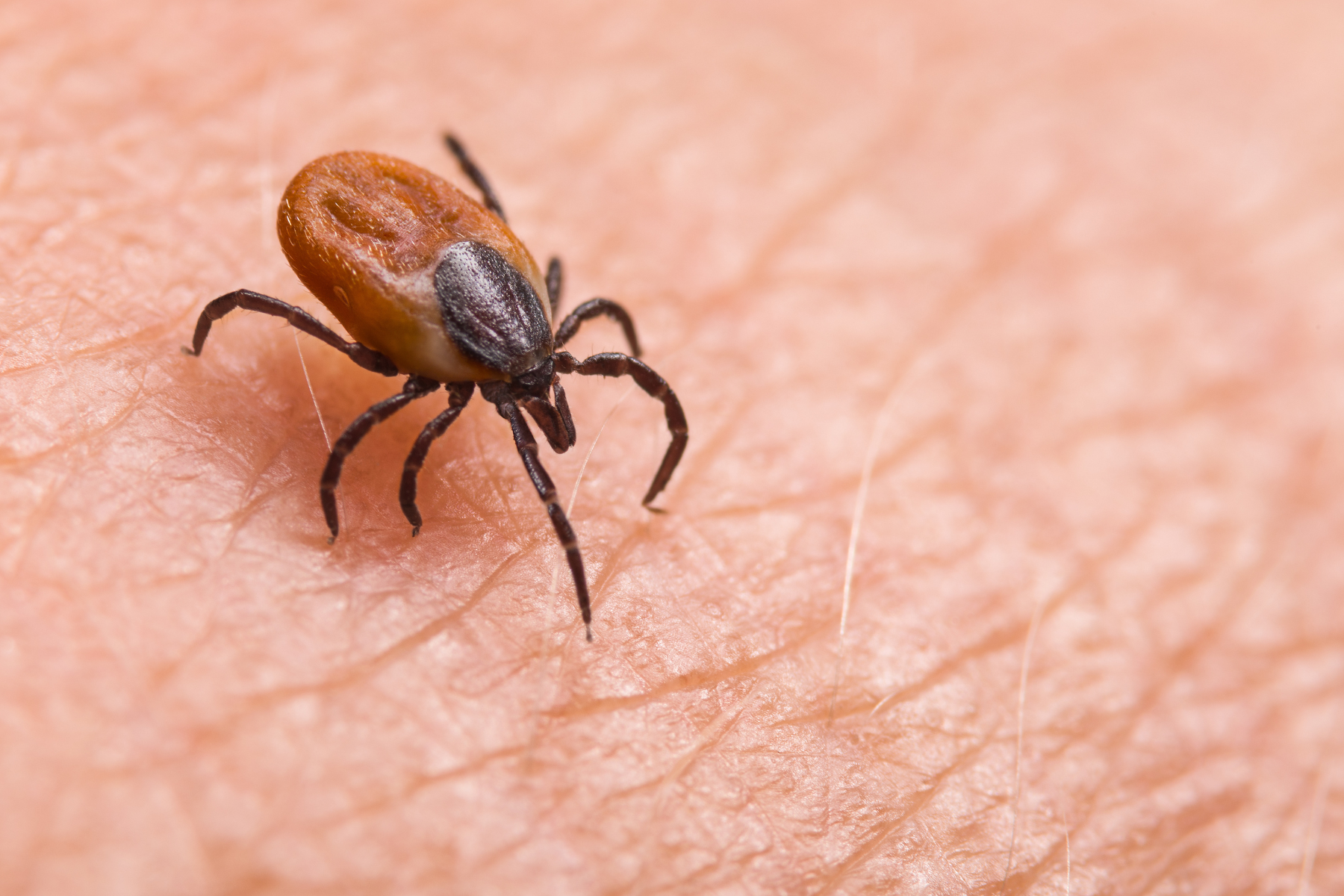 The Tick Threat: Why Hikers Need to Be Vigilant
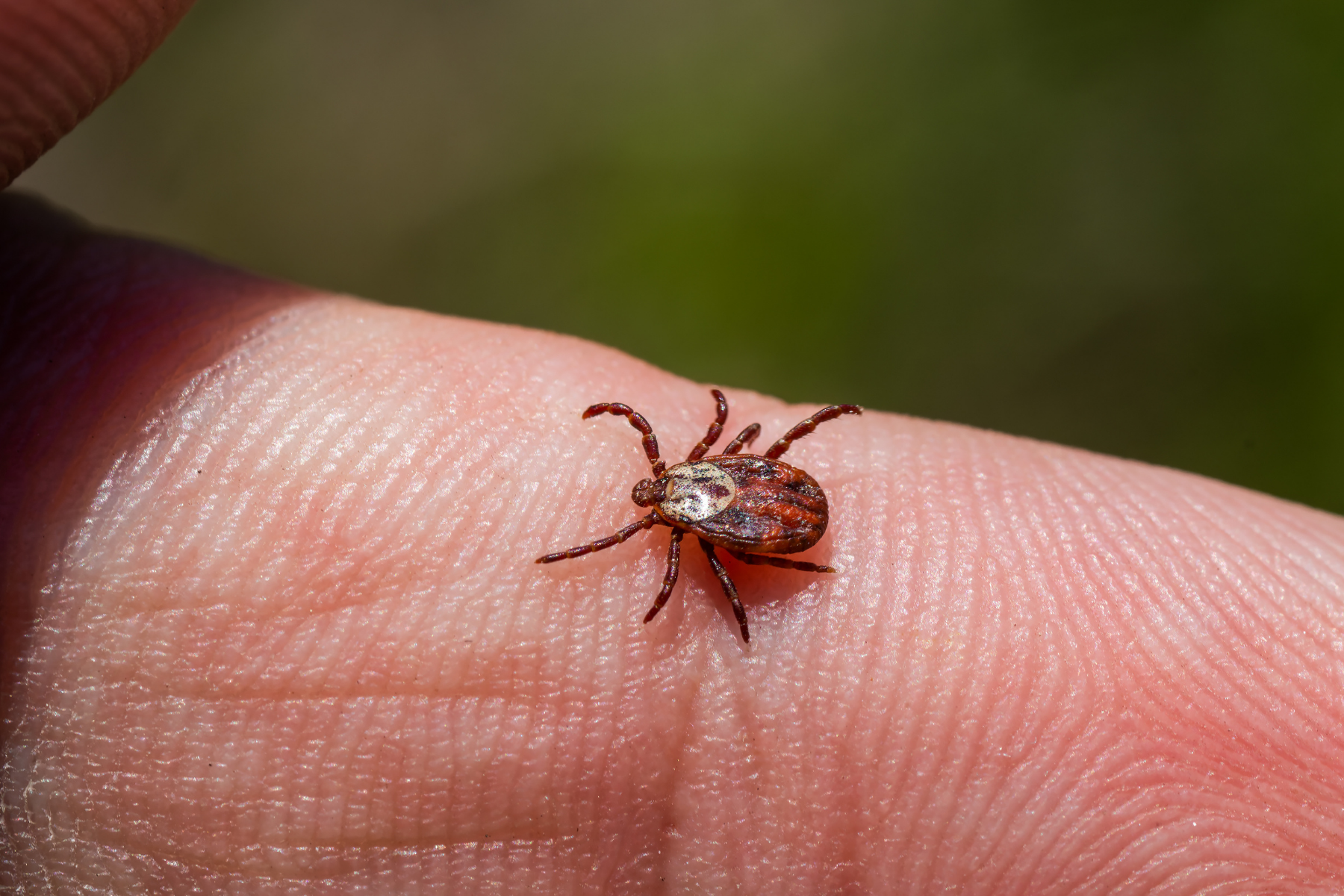
Ticks are small, blood-feeding arachnids that latch onto hosts, including humans, pets, and wildlife, to feed. They’re most active from spring to fall (April to October in Ohio), favoring warm, humid conditions. Ticks don’t jump or fly; instead, they “quest,” waiting on grass or shrubs to latch onto passing hikers. Common Ohio species include the blacklegged tick (deer tick), American dog tick, and lone star tick, each capable of spreading diseases. Lyme disease, caused by the blacklegged tick, is a primary concern, with symptoms like fever, fatigue, and a bull’s-eye rash.
Hikers are at risk because trails often lead through tick habitats—wooded areas, tall grass, and leaf litter. Ticks can attach to skin, clothing, or gear, often going unnoticed until they bite. A single tick bite can lead to serious health issues if untreated, making prevention critical. By preparing before your hike, protecting yourself on the trail, and checking for ticks afterward, you can minimize risks and focus on enjoying nature.
Step 1: Prepare for Ticks on Hikes
- Research Your Trail: Check trail reports or park websites for tick activity, especially in Ohio’s tick-prone areas like Wayne National Forest. Avoid hiking during peak tick season (May to July) if possible.
- Choose Protective Clothing: Wear long sleeves, long pants, and high socks. Tuck pants into socks and shirts into pants to create a barrier. Light-colored clothing makes ticks easier to spot.
- Treat Gear with Permethrin: Spray clothing, shoes, and backpacks with permethrin, a synthetic insecticide that repels and kills ticks. Permethrin-treated gear remains effective for weeks, even after washing.
- Pack Repellents: Carry an EPA-registered repellent with 20-30% DEET, picaridin, or oil of lemon eucalyptus (OLE). Pack a small bottle for reapplication on the trail.
Step 2: Use Repellents Effectively
- Apply Repellent Properly: Spray DEET or picaridin on exposed skin, such as hands, neck, and ankles, avoiding eyes and mouth. Reapply every 4-6 hours or after sweating heavily. OLE is a natural alternative but requires more frequent application.
- Treat Clothing and Gear: Spray permethrin on clothing and gear before your hike (not on skin). For on-trail use, apply DEET or picaridin to socks, pant cuffs, and hats for extra protection.
- Child-Safe Options: For kids over 3, use picaridin or low-DEET (10-15%) repellents. Avoid applying to their hands to prevent ingestion. Never use repellents on infants under 2 months.
- Test for Sensitivity: Test repellents on a small skin area before full use to avoid irritation, especially on long hikes.
Step 3: Stick to Safe Hiking Practices
- Stay on the Trail: Walk in the center of cleared paths to avoid brushing against grass, bushes, or leaf litter where ticks quest. Avoid off-trail exploration in dense vegetation.
- Avoid High-Risk Areas: Steer clear of tall grass, overgrown shrubs, and piles of leaves, which are tick hotspots. Choose open, sunny trails when possible, as ticks prefer shaded, humid spots.
- Hike in Groups: Ticks are easier to spot with hiking buddies who can check your back, hair, or gear. Take turns inspecting each other during breaks.
- Keep Pets Leashed: If hiking with dogs, keep them on a leash to prevent them from wandering into tick-heavy areas. Use vet-approved tick preventatives on pets.
Step 4: Perform Thorough Tick Checks
- Check on the Trail: Pause every 1-2 hours to inspect clothing, gear, and exposed skin. Focus on legs, arms, and neck. Use a hand mirror or ask a partner to check hard-to-see areas like your back or scalp.
- Post-Hike Inspection: At home or your car, do a full-body check. Examine armpits, groin, behind knees, ears, hairline, and between toes. Ticks often hide in warm, moist areas.
- Check Gear and Pets: Inspect backpacks, hats, and jackets for ticks before bringing them indoors. Run clothes through a hot dryer for 10 minutes to kill ticks. Check pets’ fur, especially around the ears and belly.
- Shower Promptly: Shower within two hours of hiking to wash off unattached ticks and make skin checks easier. Use a washcloth to dislodge any ticks.
Step 5: Remove Ticks Safely
- Use Tweezers: Grasp the tick close to the skin with fine-tipped tweezers. Pull straight up with steady pressure, avoiding twisting or crushing the tick.
- Clean the Area: Wash the bite site and your hands with soap and water or an antiseptic like rubbing alcohol. Apply an antibiotic ointment to prevent infection.
- Dispose of the Tick: Place the tick in a sealed bag, flush it, or drown it in alcohol. Avoid crushing it with your fingers to prevent exposure to pathogens.
- Monitor for Symptoms: Watch the bite site for 3-30 days for signs of a rash, fever, fatigue, or joint pain. Seek medical attention if symptoms appear, noting the bite date and location.
Step 6: Protect Your Yard After Hiking
- Create a Tick-Safe Yard: Mow grass short, clear leaf litter, and create gravel or woodchip barriers between your lawn and wooded areas. Keep play areas away from dense vegetation.
- Wash and Dry Gear: Launder hiking clothes in hot water and dry on high heat to kill ticks. Vacuum backpacks and gear to remove stragglers.
- Treat Your Yard: Use pet-safe tick control products or hire professionals to apply targeted treatments. Prevent Pest Control offers yard treatments to reduce tick populations.
- Check Pets Regularly: After hikes, inspect pets and use tick preventatives like collars or topical treatments to prevent ticks from spreading to your home.
 Step 7: Know When to Call a Professional
If ticks persist in your yard or you’re concerned about disease risks, professional help is the answer. Contact Prevent Pest Control if:
- You find ticks on your property after hiking.
- You live near wooded or grassy areas prone to ticks.
- You want ongoing protection against ticks and other pests.
Our Cleveland-based team uses safe, effective treatments to eliminate ticks and create a protective barrier around your home.
Be Safe From Ticks on Hikes
For expert tick control in Cleveland, Ohio, contact Prevent Pest Control, visit us for a consultation. Let us help you hike confidently and keep your home tick-free!

Prevent Pest Control has been proudly serving Ohio communities since 1996, delivering expert pest management solutions backed by over two decades of hands-on experience. Our skilled team is equipped to handle a full range of pest problems, from common household nuisances like ants and spiders to more serious infestations involving rodents, termites, and bed bugs.
We offer reliable, customized treatments for both residential and commercial properties, always focused on safety, effectiveness, and customer satisfaction. Our service area covers much of central and northern Ohio, including major cities such as Cleveland, Columbus, Dayton, and Cincinnati.
Contact Us
We are always here to help. Looking forward to hearing from you!