
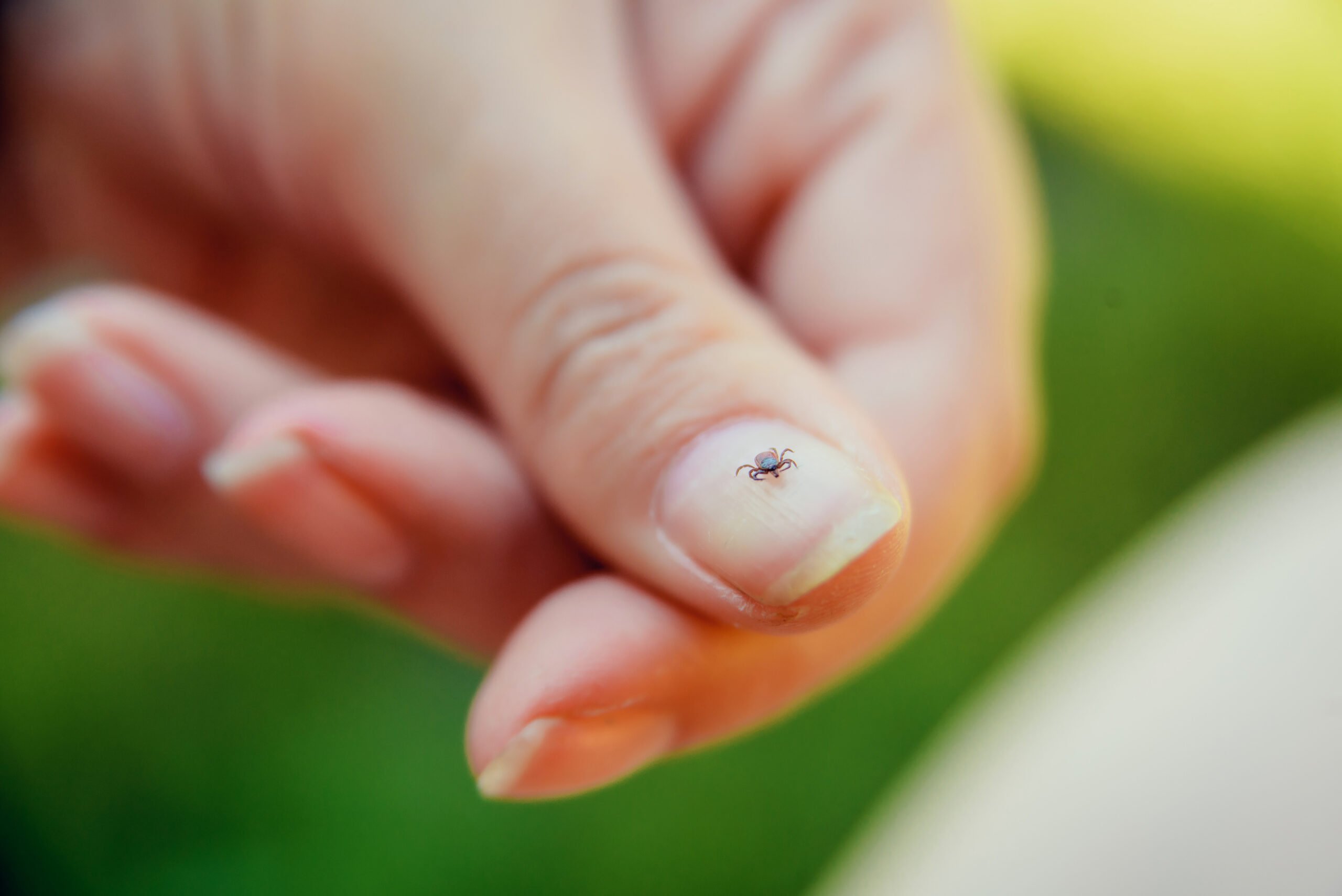
Ticks are more than just a nuisance in Ohio—they’re a growing public health concern. With warmer seasons bringing increased tick activity, homeowners need to understand how to effectively protect their outdoor spaces. Ticks are known vectors of several serious illnesses, including Lyme disease, anaplasmosis, and babesiosis. Preventing tick encounters begins with making your yard less hospitable to these pests.
Why Tick Control Matters in Ohio
Over the past years, the number of tick-borne illnesses in Ohio has risen. Factors such as changes in climate, wildlife migration, and suburban development have increased the overlap between human activity and tick habitats.
Ohio is home to several tick species, including:
- Blacklegged tick (deer tick): The primary vector of Lyme disease. Commonly found in wooded areas, tall grass, and brush.
- American dog tick: Known to transmit Rocky Mountain spotted fever. Found in grassy fields and along trails.
- Lone star tick: Associated with ehrlichiosis and known for its aggressive biting behavior.
Ticks thrive in areas where moisture is abundant, and they often reside in the transition zones between manicured lawns and natural vegetation. This means that even a well-maintained suburban backyard can provide a suitable habitat for ticks.
 Understanding Tick Habitats in Your Yard
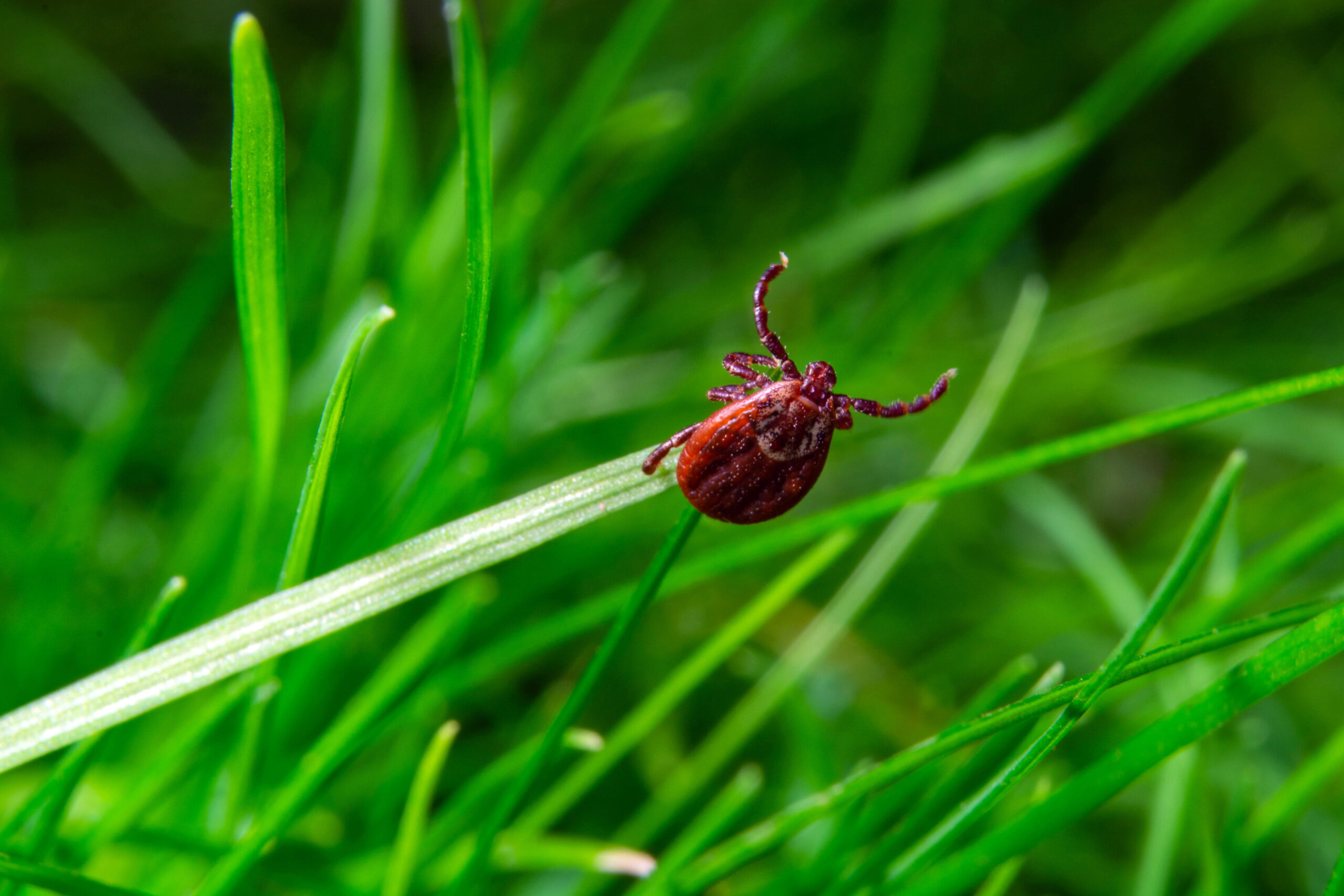
Ticks do not fly or jump; instead, they wait on the tips of grasses or leaves and latch onto passing hosts. This behavior, known as “questing,” allows them to attach to people, pets, or wildlife as they move through the yard.
Key tick habitats in Ohio yards include:
- Tall grasses and weeds
- Leaf litter and woodpiles
- Shrubs and dense undergrowth
- Perimeter areas near forests or fields
- Fences and retaining walls where rodents may travel
- Dog runs, kennels, or areas where pets rest or play
Ticks are most active from spring through fall, though milder winters may allow some species to remain active year-round in sheltered environments.
Best Practices for Yard Tick Prevention
Whether or not you use chemical treatments, incorporating landscaping and maintenance strategies can greatly reduce the likelihood of tick presence in your yard.
- Keep Grass Short and Trimmed
Regularly mow your lawn and trim tall grass, especially around property edges. Ticks avoid sunny, open areas and prefer shady, moist environments.
- Remove Leaf Litter and Yard Debris
Rake and dispose of fallen leaves and grass clippings promptly. These materials hold moisture and provide shelter for ticks and their hosts.
- Create a Tick-Free Barrier
Establish a buffer zone between wooded areas and your lawn by using gravel, wood chips, or mulch. A 3-foot wide barrier can help restrict tick movement.
- Stack Firewood Properly
Store firewood in dry, elevated areas away from the house. Mice and other rodents that carry ticks often nest in woodpiles.
- Secure Fencing and Keep Wildlife Out
Install fencing to limit the movement of deer and other wildlife that may bring ticks into your yard. Use deer-resistant landscaping where applicable.
- Pet Safety and Grooming
Check your pets for ticks after they’ve been outdoors, even in your own yard. Use veterinarian-recommended tick preventives and avoid allowing pets to roam into tall grass or forested areas.
- Maintain Play and Sitting Areas
Keep playgrounds, patios, and decks clean and away from vegetation. Position these spaces in the sunniest parts of your yard.
When to Schedule Yard Treatments
Timing is critical when it comes to effective tick control. In Ohio, treatments are most effective when started in early spring and repeated throughout the warm months.
A typical seasonal treatment schedule may include:
- Early spring (March-April): Target nymphs emerging from overwintering.
- Late spring/early summer (May-June): Address peak activity of nymphs, the most dangerous tick stage for disease transmission.
- Late summer (August-September): Treat adults preparing to lay eggs and reduce fall activity.
Depending on your yard’s conditions and surrounding environment, your pest control provider may recommend additional applications or monitoring methods.
Understanding Tick Risk in Urban, Suburban, and Rural Ohio
Tick problems are not confined to rural properties. Urban and suburban areas in Ohio, including the Cleveland and close by regions, have seen an uptick in tick encounters, especially where residential development meets natural green spaces.
Parks, walking trails, and even backyard gardens can harbor ticks if conditions are right. Awareness, routine inspections, and property-specific treatment are important regardless of location.
 What to Expect From a Professional Service
When you contact Prevent Pest Control for tick yard treatment in Ohio, here’s what you can expect:
- A comprehensive yard inspection to identify tick hotspots and risk areas
- Customized treatment plans based on your property layout, wildlife activity, and landscaping
- Clear safety instructions and expectations for family and pets
- Ongoing recommendations for prevention and maintenance
Prevent Pest Control emphasizes education and partnership with homeowners to ensure long-term success.
Protect Your Property From Ticks This Season
With tick-borne diseases on the rise in Ohio, protecting your yard is an important step in safeguarding your health and that of your family and pets. To schedule a tick yard treatment or learn more about our pest control services, contact Prevent Pest Control at (440) 322-0887 or visit our website.
Common FAQS About Yard Treatments for Ticks
1. Why is tick control important for Ohio homeowners?
Ticks are more than a nuisance—they can transmit diseases to people and pets. Yard tick control helps lower the chances of tick encounters around your home, especially during peak activity seasons.
2. What tick species are commonly found in Ohio yards?
Ohio homeowners may encounter several species, including blacklegged ticks (often called deer ticks), American dog ticks, and lone star ticks, depending on the area and habitat nearby.
3. Where do ticks usually hide in a yard?
Ticks tend to stay in moist, shaded areas like tall grass, brush, leaf litter, under shrubs, near wooded edges, and along fence lines—especially where wildlife or rodents travel.
4. What’s the difference between a yard-wide tick treatment and a perimeter treatment?
Perimeter treatments focus on borders and high-risk transition areas (like where woods meet lawn). Yard-wide treatments may include lawns, landscaping, and other zones depending on the property and the level of risk.
5. When is the best time to start tick treatments in Ohio?
Many homeowners start in early spring and continue through the warmer months. The best schedule depends on your property conditions, local tick pressure, and whether wildlife activity is present.
6. What yard maintenance steps help reduce ticks naturally?
Keeping grass short, trimming vegetation, removing leaf piles and debris, and placing a buffer zone (like mulch or gravel) between wooded areas and lawn can make your yard less inviting to ticks.
7. Do ticks stay only in wooded areas, or can they be in suburban yards too?
Ticks can be present in suburban and even some urban environments, especially near parks, greenbelts, overgrown edges, and anywhere wildlife like deer or rodents move through.
8. How do professional tick yard treatments work?
A professional service typically identifies tick hotspots and applies targeted treatments to vegetation, shaded areas, and perimeters. The goal is to reduce ticks where they live and where people and pets are most likely to encounter them.
9. Why might DIY tick treatments fall short?
DIY products can be difficult to apply evenly, may miss key tick habitats, and often don’t account for property-specific risk factors like wildlife movement and landscaping features. Misapplication can also create safety concerns.
10. What should pet owners do alongside yard tick treatments?
Yard treatments help reduce ticks outdoors, but pets can still pick up ticks during walks or playtime. Routine tick checks and veterinarian-recommended preventives are important, especially during peak season

Prevent Pest Control has been proudly serving Ohio communities since 1996, delivering expert pest management solutions backed by over two decades of hands-on experience. Our skilled team is equipped to handle a full range of pest problems, from common household nuisances like ants and spiders to more serious infestations involving rodents, termites, and bed bugs.
We offer reliable, customized treatments for both residential and commercial properties, always focused on safety, effectiveness, and customer satisfaction. Our service area covers much of central and northern Ohio, including major cities such as Cleveland, Columbus, Dayton, and Cincinnati.
Contact Us
We are always here to help. Looking forward to hearing from you!