

As June arrives in Ohio, homeowners begin spending more time outdoors. Backyard cookouts, gardening, pool days, and evenings on the patio become common activities during the early summer months. Unfortunately, June also marks the beginning of peak mosquito season across much of the state.
Mosquitoes are more than just a nuisance. Their bites can cause itching and irritation, and some species are capable of carrying diseases that affect both people and pets. For Ohio homeowners, understanding how mosquito activity increases in June and what can be done to reduce it is an important part of maintaining a comfortable yard.
Proper mosquito control Ohio homeowners can rely on begins with understanding what attracts mosquitoes, where they breed, and how to reduce their presence around your property.
Why Mosquitoes Become More Active in June
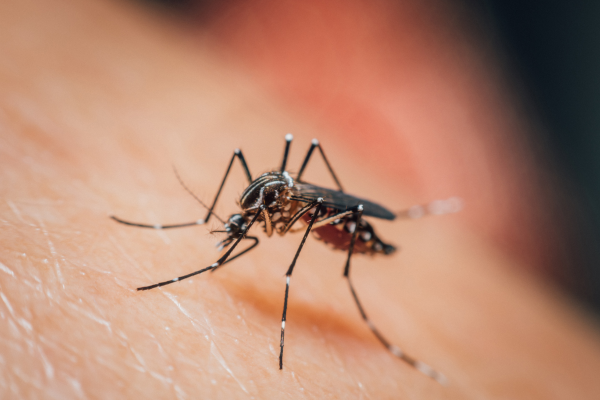 Mosquito activity in Ohio increases significantly once temperatures remain consistently warm. June provides ideal conditions for mosquito breeding because of higher humidity, longer daylight hours, and increased rainfall.
Mosquitoes rely on standing water to reproduce. Female mosquitoes lay eggs in stagnant water, and the larvae develop there before emerging as adults. Because June often brings frequent rainstorms, many yards develop temporary water sources that become ideal breeding grounds.
Warmer temperatures also speed up the mosquito life cycle. Eggs hatch more quickly, larvae mature faster, and adult mosquitoes become more active in searching for blood meals.
Ohio is home to several mosquito species, each with slightly different habits and preferred habitats. Some species are most active during the evening, while others bite throughout the day.
Common Mosquito Breeding Sites Around Ohio Homes
One of the most effective ways to reduce mosquito populations is to identify and eliminate breeding areas. Mosquitoes only need a small amount of water to reproduce, so even minor sources of standing water can become a problem.
Common mosquito breeding sites include clogged gutters, birdbaths, flowerpot saucers, kiddie pools, buckets, tarps, wheelbarrows, pet water dishes, and low spots in the yard where rainwater collects.
Decorative ponds and water features can also attract mosquitoes if the water is stagnant or poorly maintained. Even items such as discarded tires, bottle caps, and children’s toys can collect enough water for mosquito larvae.
Because mosquitoes can develop quickly, standing water should be emptied or refreshed at least once a week during the summer months.
Why Mosquitoes Are Drawn to Certain Yards
Some yards attract more mosquitoes than others because they provide favorable conditions for shelter, breeding, and feeding.
Mosquitoes prefer shady, humid environments where they can rest during the heat of the day. Overgrown grass, dense shrubs, brush piles, and shaded landscaping provide excellent shelter.
Yards with poor drainage, excessive vegetation, or nearby wooded areas may see increased mosquito activity. Properties near ponds, marshes, streams, or retention basins can also experience heavier mosquito pressure.
Mosquitoes are attracted to people and animals through body heat, carbon dioxide, and body odors. Outdoor gatherings, pets, and active play areas can increase mosquito activity in certain parts of the yard.
Mosquito Control Ohio Homeowners Can Start With Landscaping
Landscape maintenance plays a major role in mosquito control Ohio homeowners can implement on their own.
Keeping grass mowed short and trimming back shrubs reduces shaded resting areas where mosquitoes hide during the day. Removing piles of leaves, brush, and yard debris also helps reduce moisture retention.
Tree limbs and dense vegetation should be pruned to improve airflow and sunlight exposure throughout the yard. Mosquitoes tend to avoid dry, sunny spaces.
If your property has drainage problems, consider filling in low spots where water tends to collect. French drains, grading improvements, and proper gutter maintenance can reduce standing water after rain.
For homeowners with decorative ponds, fountains, or birdbaths, moving water is helpful. Mosquitoes prefer stagnant water, so pumps and fountains can make water features less attractive for breeding.
How to Protect Outdoor Living Spaces
In addition to reducing mosquito breeding areas, homeowners can make outdoor spaces less inviting to mosquitoes.
Patios, decks, and seating areas should be kept clean and free of standing water. Outdoor furniture cushions should be stored when not in use so they do not collect moisture.
Mosquitoes are often more active during dawn and dusk, so homeowners may choose to limit outdoor activity during these times when mosquito pressure is highest.
Fans can also help in outdoor seating areas because mosquitoes are weak fliers and struggle in moving air.
Proper outdoor lighting can make a difference as well. While mosquitoes are not strongly attracted to light in the same way some insects are, minimizing excess lighting near gathering areas can reduce the number of insects that attract mosquito predators and create favorable conditions.
Mosquito Repellents and Personal Protection
Personal protection is another important part of mosquito control Ohio residents should consider.
EPA-registered insect repellents containing ingredients such as DEET, picaridin, IR3535, or oil of lemon eucalyptus can help reduce bites when spending time outdoors.
Long sleeves, pants, and light-colored clothing can provide additional protection, especially during peak mosquito activity periods.
Children and pets should also be protected when spending time outside. Homeowners should speak with veterinarians about mosquito-related risks for pets, including heartworm disease.
 Why June Is the Best Time to Start Mosquito Control
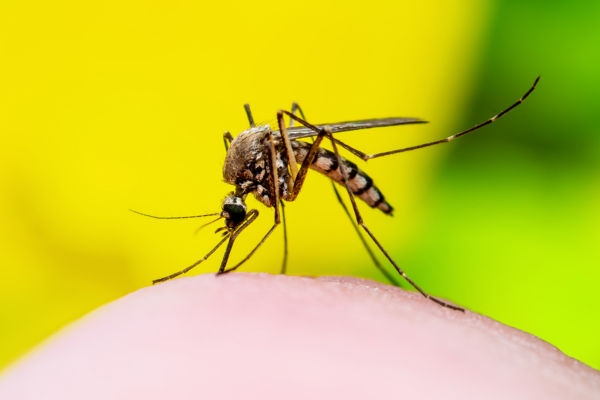
Starting mosquito control in June can help reduce mosquito populations before they reach their peak later in the summer.
Early summer treatments target mosquitoes during the beginning stages of seasonal activity. This can make it easier to manage mosquito populations before breeding intensifies during July and August.
Waiting until mosquitoes are already overwhelming the yard often makes control efforts more difficult. By acting early, homeowners can reduce the likelihood of large populations developing later in the season.
Regular monitoring and seasonal treatments throughout the summer can help maintain more comfortable outdoor spaces.
Schedule Mosquito Control Ohio Homeowners Can Count On
If mosquitoes are becoming a problem around your home, Prevent Pest Control can help. To schedule a mosquito inspection or treatment, call (440) 322-0887 or visit Prevent Pest Control to learn more about our pest control services. Our team is here to help you enjoy your yard with fewer mosquitoes this summer.
-
When does mosquito season start in Ohio?
Mosquito season in Ohio typically becomes more noticeable in late spring and intensifies in June as temperatures rise and standing water becomes more common.
-
Why is June an important month for mosquito control in Ohio?
June often brings warm temperatures, humidity, and frequent rain, which create ideal breeding conditions for mosquitoes. Starting mosquito control in June can help reduce populations before they grow larger later in summer.
-
What attracts mosquitoes to my yard in Ohio?
Mosquitoes are attracted to standing water, dense vegetation, shaded areas, poor drainage, and the presence of people or pets. These conditions provide breeding sites, shelter, and easy access to blood meals.
-
Where do mosquitoes breed around Ohio homes?
Common breeding sites include clogged gutters, birdbaths, flowerpot saucers, buckets, tarps, kiddie pools, pet water dishes, and any low spot in the yard that holds water after rainfall.
-
How can I reduce mosquitoes in my yard naturally?
You can reduce mosquitoes by emptying standing water weekly, mowing the lawn regularly, trimming shrubs, clearing yard debris, improving drainage, and maintaining water features so the water keeps moving.
-
Does landscaping help with mosquito control in Ohio?
Yes. Proper landscaping helps reduce shade, moisture, and resting areas for mosquitoes. Trimming dense vegetation and keeping grass short can make your yard less attractive to them.
-
Are mosquitoes only active at night in Ohio?
Many mosquito species are most active around dawn and dusk, but some may also bite during the day, especially in shaded or humid areas.
-
What kind of personal protection helps prevent mosquito bites?
EPA-registered insect repellents, long sleeves, long pants, and limiting time outdoors during peak mosquito activity can all help reduce bites.
-
Why should homeowners consider professional mosquito control in Ohio?
Professional mosquito control can target areas where adult mosquitoes rest and where larvae develop. This helps reduce mosquito activity more effectively than relying only on short-term products.
-
How often should mosquito treatments be done during the summer?
The frequency depends on your property, nearby water sources, and mosquito pressure. A pest control professional can recommend a treatment schedule based on your yard conditions and seasonal activity.

Prevent Pest Control has been proudly serving Ohio communities since 1996, delivering expert pest management solutions backed by over two decades of hands-on experience. Our skilled team is equipped to handle a full range of pest problems, from common household nuisances like ants and spiders to more serious infestations involving rodents, termites, and bed bugs.
We offer reliable, customized treatments for both residential and commercial properties, always focused on safety, effectiveness, and customer satisfaction. Our service area covers much of central and northern Ohio, including major cities such as Cleveland, Columbus, Dayton, and Cincinnati.
Contact Us
We are always here to help. Looking forward to hearing from you!