

Traveling often involves staying in hotels, vacation rentals, or other temporary accommodations. While most trips go smoothly, travelers are increasingly aware of one common concern: bed bugs in hotels. These pests are skilled at hiding, difficult to detect early, and capable of spreading through luggage and personal belongings.
Understanding where bed bugs hide, what signs to watch for, and how to reduce the risk of bringing them home can help travelers stay informed and prepared. Awareness is especially important because bed bugs can be found in many types of accommodations, regardless of cleanliness or hotel rating.
For travelers throughout Northeast Ohio, including Lorain County, Medina County, Cuyahoga County, and Lake County, knowing how to identify bed bugs in hotels can help reduce the likelihood of an infestation following a trip.
Why Bed Bugs Are Common in Hotels
 Hotels experience a constant flow of guests and luggage. Every day, suitcases, clothing, backpacks, and personal items move from one location to another. Because bed bugs are excellent hitchhikers, this constant movement creates opportunities for them to spread.
Bed bugs do not fly or jump. Instead, they crawl into small hidden spaces where they remain unnoticed until they are transported elsewhere. A traveler may unknowingly bring bed bugs into a hotel room inside luggage or clothing, allowing the insects to establish themselves in the room or spread to neighboring areas.
This is why bed bugs in hotels are not necessarily linked to poor sanitation or housekeeping. Even clean and well-maintained properties can occasionally experience bed bug activity because of the high volume of travelers passing through.
What Bed Bugs Look Like
Recognizing bed bugs is an important first step in identifying possible activity.
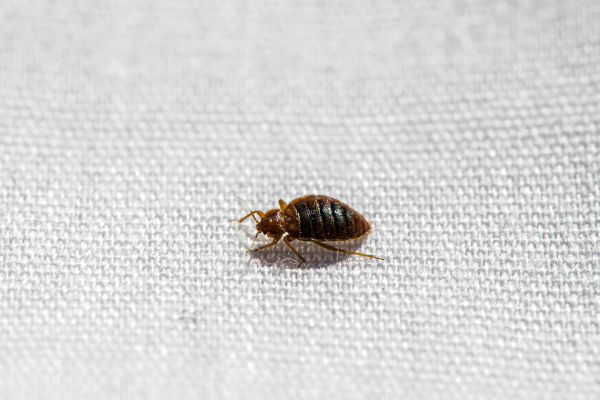
Adult bed bugs are small, flat, oval-shaped insects with a reddish-brown color. They are roughly the size of an apple seed. Younger bed bugs, called nymphs, are smaller and lighter in color.
Bed bugs feed on blood, usually at night while people sleep. After feeding, they may appear slightly swollen and darker.
In addition to live insects, travelers may notice other signs such as shed skins, tiny pale eggs, or dark spotting left behind near hiding areas.
Because they prefer dark, hidden spaces, bed bugs are often difficult to detect without careful inspection.
Where to Check for Bed Bugs in Hotels
One of the most effective ways to reduce the risk of exposure is to inspect the room shortly after arrival. Knowing where to look can make it easier to spot signs of bed bugs in hotels before unpacking.
Mattress Seams and Edges
Mattress seams are among the most common hiding places for bed bugs. Travelers should carefully inspect the piping, corners, and edges of the mattress for dark spots, shed skins, or live insects.
Lifting the fitted sheet and checking the upper mattress area can sometimes reveal signs that are otherwise hidden.
Box Springs
Box springs provide many small cracks and protected areas where bed bugs may hide. Inspecting along the edges and underneath the box spring can help reveal activity.
Headboards
Headboards are another common hiding place. Many hotel headboards are attached directly to the wall, creating narrow spaces behind them where bed bugs may remain hidden during the day.
Upholstered Furniture
Couches, upholstered chairs, and padded benches should also be checked. Bed bugs may hide in seams, folds, cushions, and underneath furniture.
Nightstands and Furniture Joints
Wooden furniture often contains small cracks and joints where bed bugs can hide. Drawers, corners, and undersides should be inspected if possible.
Curtains and Wall Décor
In some cases, bed bugs may hide near curtains, behind framed pictures, or along wall moldings located close to sleeping areas.
Because bed bugs in hotels can hide in many locations, even a brief inspection can help identify warning signs before belongings are unpacked.
Signs That May Indicate Bed Bug Activity
Travelers should know what signs may suggest the presence of bed bugs in a room.
One common sign is small dark spotting on bedding, mattresses, or furniture. These spots are often bed bug droppings.
Shed skins may also be present near mattress seams or furniture edges. As bed bugs grow, they molt and leave behind these pale exoskeletons.
Some travelers may notice small blood stains on sheets, which can occur if bed bugs are accidentally crushed after feeding.
Live bed bugs themselves may also be visible, especially near seams, corners, or protected cracks.
In larger infestations, a sweet or musty odor may sometimes be noticeable, although this is not always present.
Why Bed Bugs Often Go Undetected
One reason bed bugs in hotels can spread easily is that these pests are extremely skilled at hiding.
Bed bugs are nocturnal and tend to remain hidden during the day. They can fit into narrow cracks and crevices that are difficult to inspect thoroughly.
Because bites may not appear immediately, travelers may not realize they were exposed until after they return home. Some people also react differently to bites, while others may not react at all.
This delay often allows bed bugs to travel home inside luggage or belongings before the problem becomes noticeable.
How Bed Bugs Spread Through Luggage
Suitcases are one of the most common ways bed bugs spread during travel.
When luggage is placed on beds, carpeted floors, or upholstered furniture, bed bugs may crawl inside and hide in seams, pockets, folds, or lining.
Once inside luggage, they can remain hidden until the suitcase is unpacked at home.
Clothing, backpacks, shoes, and travel accessories can also transport bed bugs from one location to another.
Because of this, travelers concerned about bed bugs in hotels often take precautions to minimize contact between luggage and sleeping areas.
Tips to Reduce the Risk While Traveling
Although no inspection can guarantee complete protection, several habits may help reduce the risk of bringing bed bugs home.
Many travelers keep luggage elevated on metal luggage racks rather than placing it on beds or carpeted floors.
Some people choose to inspect hotel rooms before unpacking clothing or placing personal belongings around the room.
Keeping clothing inside sealed packing cubes or bags may also help reduce exposure.
After returning home, washing and drying clothing on high heat can help eliminate any bed bugs that may have traveled in fabrics.
Suitcases should also be inspected and vacuumed before being stored.
Being aware of the risks associated with bed bugs in hotels can help travelers respond quickly if signs are noticed.
Common Misconceptions About Bed Bugs
 There are many misconceptions surrounding bed bugs.
One common myth is that bed bugs are only found in dirty or poorly maintained hotels. In reality, bed bugs are attracted to people, not dirt. Even clean hotels can occasionally experience bed bug activity because of the constant movement of guests and luggage. Another misconception is that bed bugs only live in beds. While mattresses are common hiding places, bed bugs may also hide in furniture, walls, carpeting, luggage, and nearby objects.
Some people also assume that bed bugs are too small to see. Although they are small, adult bed bugs are visible to the naked eye if inspected carefully.
Why Early Detection Matters
The earlier bed bugs are identified, the easier it may be to prevent them from spreading further.
A few bed bugs brought home from travel can eventually establish themselves in bedrooms, furniture, and nearby rooms if not addressed.
Because bed bugs reproduce over time, early inspection and awareness are important for reducing the risk of a larger infestation.
Travelers who notice bites, dark spotting, or suspicious insects after returning home may benefit from a professional inspection to determine whether bed bug activity is present.
Professional Bed Bug Inspection and Treatment
Bed bugs are difficult to eliminate without proper identification and treatment. Because they hide in hard-to-reach areas, surface-level cleaning or sprays may not fully resolve the issue.
Prevent Pest Control provides bed bug removal services for homeowners throughout Northeast Ohio, including Lorain County, Medina County, Cuyahoga County, and Lake County.
Professional inspections can help identify where bed bugs may be hiding and determine the extent of the problem. Treatment plans are based on the conditions within the home and the level of activity observed.
Staying Aware During Travel
Awareness is one of the best ways to reduce the risk of bringing bed bugs home after travel.
Checking sleeping areas, keeping luggage elevated, inspecting belongings after trips, and recognizing early warning signs can all help travelers stay proactive.
Because bed bugs in hotels remain a common travel-related concern, understanding how they spread and where they hide is valuable for anyone who travels regularly.
Contact Prevent Pest Control for Bed Bug Concerns
If you suspect bed bugs after travel or notice signs of activity in your home, Prevent Pest Control can help. We provide bed bug inspections and removal services for homeowners throughout Northeast Ohio, including Lorain County, Medina County, Cuyahoga County, and Lake County. To learn more or schedule an inspection, call Prevent Pest Control at (440) 322-0887 or visit Prevent Pest Control Bed Bug Removal.
Common FAQs
1. What are common signs of bed bugs in hotels?
Common signs include small dark spots on mattresses or bedding, shed skins, tiny pale eggs, blood stains on sheets, and live reddish-brown insects near seams or furniture cracks.
2. Where should I check first for bed bugs in a hotel room?
Start by checking the mattress seams, mattress edges, box spring, headboard, and nearby furniture. These are common hiding areas because they are close to where people sleep.
3. Can clean hotels still have bed bugs?
Yes. Bed bugs are not caused by poor cleanliness. They spread through luggage, clothing, and personal belongings, so even clean hotels can occasionally experience bed bug activity.
4. How do bed bugs spread from hotels to homes?
Bed bugs can crawl into luggage, clothing, backpacks, shoes, and travel bags. Once brought home, they may hide in bedrooms, closets, furniture, or other nearby areas.
5. Should I put my suitcase on the hotel bed?
It is better to avoid placing luggage on hotel beds or upholstered furniture. Keeping luggage elevated on a luggage rack can help reduce contact with areas where bed bugs may hide.
6. Can bed bugs hide in hotel furniture besides the bed?
Yes. Bed bugs may hide in couches, chairs, nightstands, dressers, curtains, headboards, wall décor, and small cracks near sleeping areas.
7. Why are bed bugs in hotels difficult to detect?
Bed bugs are small, nocturnal, and skilled at hiding in narrow cracks and seams. They often remain hidden during the day, making early activity harder to notice.
8. What should I do after returning home from a hotel stay?
Inspect your luggage, wash and dry clothing on high heat when possible, vacuum your suitcase, and check sleeping areas for early signs of bed bug activity.
9. Are bed bug bites enough to confirm an infestation?
Bites alone do not confirm bed bugs because skin reactions vary and may resemble other insect bites. A professional inspection can help confirm whether bed bugs are present.
10. When should I contact Prevent Pest Control?
If you suspect bed bugs after staying in a hotel or notice signs such as dark spots, shed skins, or live insects, contact Prevent Pest Control at (440) 322-0887 for professional help.

Prevent Pest Control has been proudly serving Ohio communities since 1996, delivering expert pest management solutions backed by over two decades of hands-on experience. Our skilled team is equipped to handle a full range of pest problems, from common household nuisances like ants and spiders to more serious infestations involving rodents, termites, and bed bugs.
We offer reliable, customized treatments for both residential and commercial properties, always focused on safety, effectiveness, and customer satisfaction. Our service area covers much of central and northern Ohio, including major cities such as Cleveland, Columbus, Dayton, and Cincinnati.
Contact Us
We are always here to help. Looking forward to hearing from you!