

Spring is a popular time for travel. As temperatures warm and schedules begin to fill with vacations, family visits, graduations, and conferences, many people spend more nights away from home. While spring travel is exciting, it also increases the risk of encountering bed bugs. May, in particular, often marks the beginning of a busy travel season across the United States, including Ohio.
Bed bugs are expert hitchhikers. They move from place to place by clinging to luggage, clothing, backpacks, and other personal belongings. Because travel creates frequent opportunities for these pests to move between locations, it is one of the most common ways infestations begin in homes. Understanding how spring travel contributes to bed bug activity can help homeowners take steps to reduce their risk.
Why Spring Travel Increases Bed Bug Infestations
Bed bugs are active year-round in indoor environments, but travel seasons influence how easily they spread. During May, hotels, vacation rentals, and transportation hubs typically see higher occupancy levels. More travelers mean more luggage moving through shared spaces and more opportunities for bed bugs to hitch a ride.
Unlike pests that depend on outdoor weather conditions, bed bugs thrive in climate-controlled indoor environments. Hotels, apartment buildings, dormitories, and homes all provide suitable conditions for them to survive and reproduce. When travelers unknowingly carry bed bugs from one location to another, new infestations can begin.
Spring travel also overlaps with events such as college graduations, family reunions, and early summer vacations. These gatherings often involve overnight stays in hotels or guest homes, which increases the likelihood of exposure.
 Bed Bugs From Travel: Why They Spread
Bed bugs do not jump or fly. Instead, they crawl into small spaces and wait for an opportunity to move with a host. Travel provides multiple opportunities for them to spread.
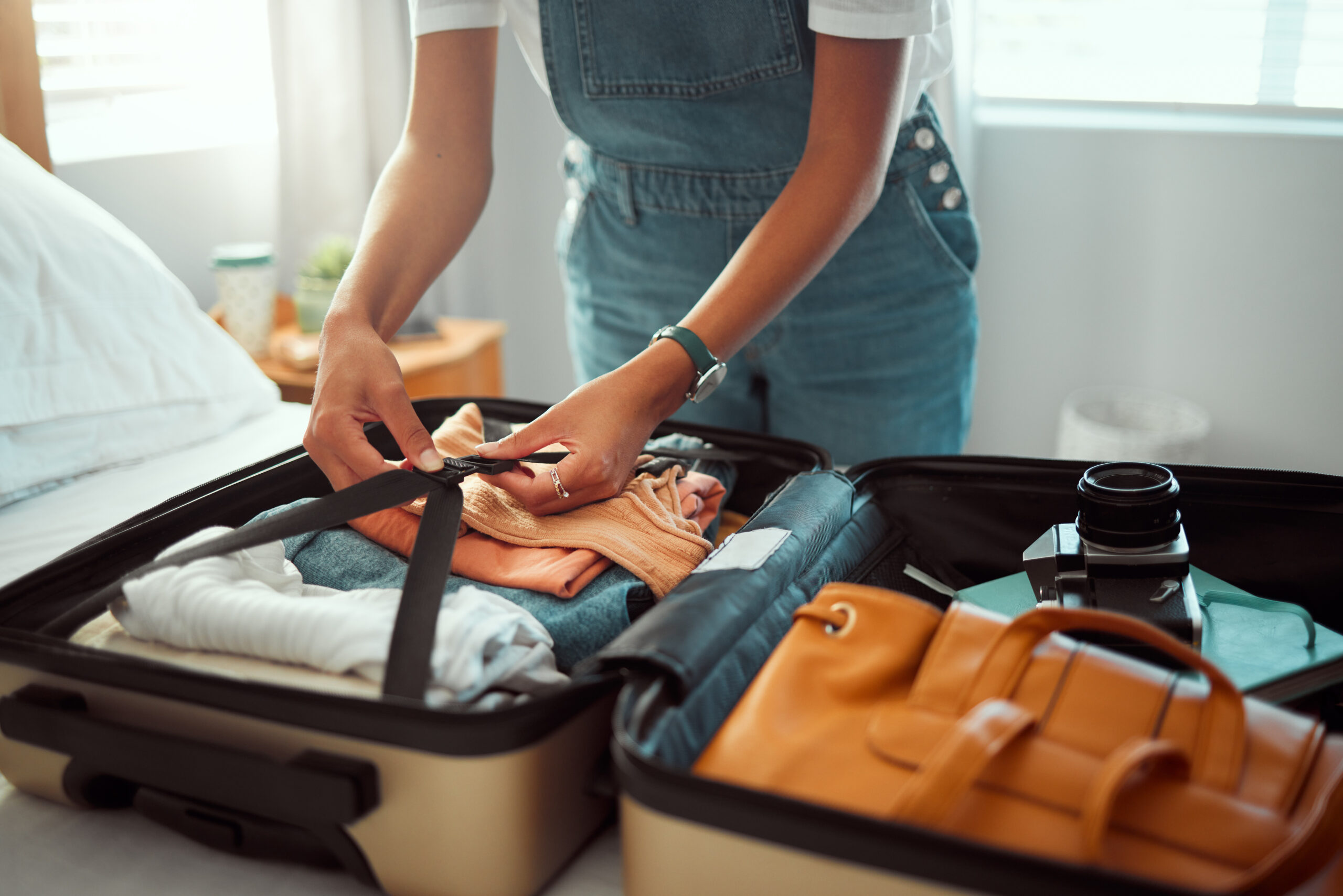
One of the most common ways bed bugs travel is through luggage. When suitcases are placed on beds, carpeted floors, or upholstered furniture, bed bugs may crawl inside seams, pockets, or folds in the material. Once inside, they can remain hidden until the luggage is unpacked at home.
Clothing can also carry bed bugs. If clothing is placed on beds or furniture where bed bugs are present, they may attach themselves to the fabric and be transported to another location.
Backpacks, purses, laptop bags, and travel organizers can also become hiding spots. Bed bugs prefer small, dark areas where they can remain undisturbed.
Transportation can play a role as well. Buses, airplanes, trains, and rideshare vehicles may occasionally harbor bed bugs if previous passengers carried them aboard. While this is less common than hotel exposure, it is still a possible pathway.
Early Signs of Bed Bug Exposure After Travel
After returning home from a trip, some people begin to notice warning signs that bed bugs may have been introduced into their home. These signs may appear days or weeks after travel.
Common early indicators include:
- Small bites on exposed skin that appear overnight
- Tiny dark spots on sheets or mattresses
- Shed skins or small pale exoskeletons near sleeping areas
- Live bed bugs hiding in mattress seams or furniture crevices
Because bed bugs are nocturnal and skilled at hiding, infestations may not be immediately obvious. Early detection is important because the longer bed bugs remain undetected, the more time they have to spread to additional areas of the home.
Bed Bugs From Travel: Reduce Risk
- Travel does not have to lead to a bed bug infestation. Being aware of your surroundings and taking simple precautions can significantly reduce the chances of bringing bed bugs home.
- One important step is inspecting hotel rooms before settling in. Travelers should check mattress seams, headboards, and nearby furniture for signs of bed bugs such as dark spotting or shed skins.
- Keeping luggage off the floor can also help. Many hotels provide luggage racks that keep suitcases elevated and away from bedding and carpeting.
- Avoid unpacking clothing directly into hotel drawers unless you have inspected the area first. Keeping clothing inside sealed packing cubes or bags can add another layer of protection.
- When possible, store luggage away from beds and upholstered furniture. Some travelers choose to keep their suitcases in tiled areas such as bathrooms, which provide fewer hiding spots for bed bugs.
What to Do When You Return Home
- After spring travel, taking precautionary steps can help prevent bed bugs from becoming established in your home.
- Start by unpacking luggage in an area where items can be easily inspected. Some people prefer to unpack in a laundry room or garage to reduce the chance of spreading pests indoors.
- Clothing should be washed and dried on high heat whenever possible. Heat is one of the most effective ways to kill bed bugs and their eggs. Even clothing that was not worn during the trip can benefit from laundering.
- Suitcases should be vacuumed thoroughly, especially along seams and pockets. Vacuum contents should be sealed in a bag and disposed of in an outdoor trash container.
- Inspect luggage carefully before storing it. If possible, store suitcases in sealed plastic containers or protective covers.
- These precautions do not guarantee that bed bugs will never enter your home, but they can significantly reduce the chances of an infestation starting.
 Why DIY Treatments Often Fall Short
Many homeowners attempt to treat bed bugs themselves after discovering them. While over-the-counter products are widely available, these solutions rarely address the full scope of an infestation.
Bed bugs hide in areas that are difficult to reach, including inside furniture, behind baseboards, and within wall voids. Sprays applied to visible surfaces may not reach these hidden locations.
Some treatments may also cause bed bugs to scatter to new areas of the home, making the infestation more difficult to control.
Professional pest control technicians have access to specialized tools and treatment methods designed to target bed bugs in their hiding places. A comprehensive inspection is often the first step toward effective treatment.
The Importance of Professional Inspection
When bed bugs are suspected after travel, scheduling a professional inspection can help determine whether an infestation is present and how extensive it may be.
Technicians are trained to identify signs that homeowners may overlook. They examine mattresses, furniture, baseboards, and other potential hiding spots to locate bed bug activity.
An inspection allows pest control professionals to recommend the most appropriate treatment plan based on the conditions in the home.
Prevent Pest Control provides bed bug inspection and treatment services for homeowners throughout Cleveland and the surrounding areas. Early detection and professional evaluation can help prevent a small problem from becoming a widespread infestation.
Schedule a Bed Bug Inspection in Cleveland
If you believe bed bugs may have entered your home after spring travel, contact Prevent Pest Control for professional assistance. To schedule a bed bug inspection, call (440) 322-0887 or visit our website to learn more about our pest control services.
1. Why does bed bug activity often increase during spring travel?
Spring travel increases the movement of people and luggage between hotels, homes, and transportation hubs. Because bed bugs hitchhike on personal belongings, more travel creates more opportunities for them to spread from one location to another.
2. How do bed bugs get into luggage during travel?
Bed bugs can crawl into suitcase seams, pockets, and folds when luggage is placed on beds, floors, or upholstered furniture where bed bugs are present. Once inside, they can remain hidden until the luggage is unpacked at home.
3. What should I inspect in a hotel room to check for bed bugs?
Travelers should check mattress seams, box springs, headboards, and nearby furniture for small reddish-brown bugs, shed skins, or dark spotting. These areas are common hiding places for bed bugs.
4. Can bed bugs travel on clothing?
Yes. Bed bugs can cling to clothing that has been placed on infested beds, chairs, or floors. Clothing packed in luggage may transport them from one location to another.
5. What should I do when I return home from a trip to reduce the risk of bed bugs?
After travel, wash and dry clothing on high heat, vacuum luggage thoroughly, and inspect suitcases before storing them. These steps can help eliminate bed bugs that may have traveled with your belongings.
6. How soon can bed bug signs appear after travel?
Signs may appear days or even weeks after returning home. Bites, dark spots on bedding, shed skins, or the presence of live bed bugs can indicate an infestation.
7. Are apartments and condos more vulnerable to bed bugs after travel?
Multi-unit buildings can experience faster spread because bed bugs can move through wall voids, plumbing lines, and electrical outlets. If one unit becomes infested, nearby units may eventually be affected.
8. Can over-the-counter treatments eliminate bed bugs brought home from travel?
DIY sprays may kill visible bed bugs but often fail to reach hidden eggs and insects in furniture, cracks, and wall voids. Professional inspection and treatment are typically necessary to address the infestation thoroughly.
9. What are the most common early signs of a bed bug infestation?
Common indicators include bites appearing overnight, small dark stains on sheets or mattresses, shed skins, and live bed bugs hiding in mattress seams or furniture joints.
10. When should I call a pest control professional after traveling?
If you notice bites, stains on bedding, or suspect bed bug activity after travel, scheduling a professional inspection as soon as possible can help identify the problem and prevent it from spreading.

Prevent Pest Control has been proudly serving Ohio communities since 1996, delivering expert pest management solutions backed by over two decades of hands-on experience. Our skilled team is equipped to handle a full range of pest problems, from common household nuisances like ants and spiders to more serious infestations involving rodents, termites, and bed bugs.
We offer reliable, customized treatments for both residential and commercial properties, always focused on safety, effectiveness, and customer satisfaction. Our service area covers much of central and northern Ohio, including major cities such as Cleveland, Columbus, Dayton, and Cincinnati.
Contact Us
We are always here to help. Looking forward to hearing from you!