

Moving to a new home can be exciting, but it also comes with a unique set of challenges—especially when it comes to avoiding unwanted pests like bed bugs. These tiny, elusive insects are known for their ability to hitchhike on clothing, furniture, and boxes, making them a common concern during relocation. Once bed bugs infest a home, they are extremely difficult to remove without professional help. That’s why prevention is key.
 Understanding Bed Bug Behavior and Risk
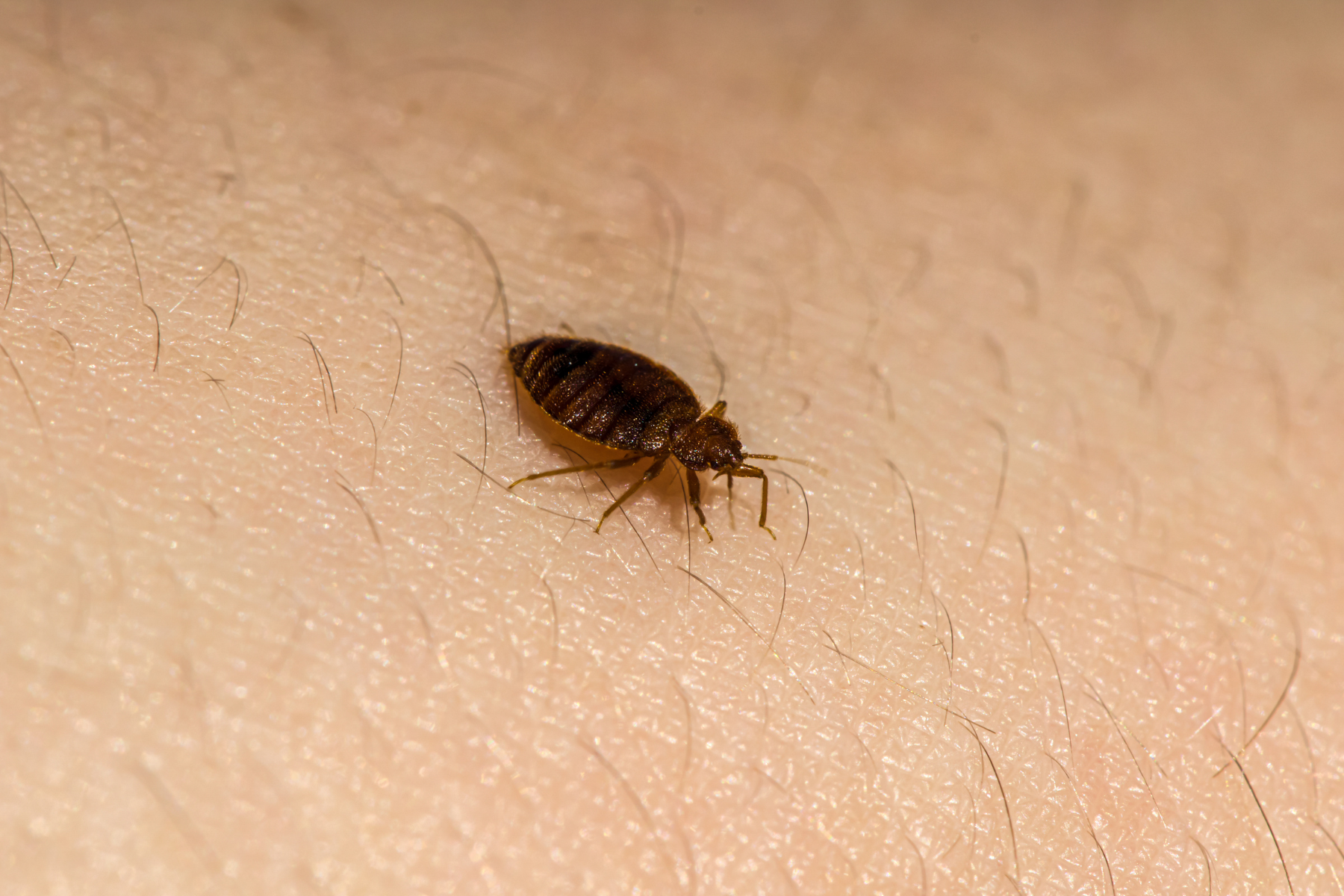
Bed bugs are small, reddish-brown insects that feed on human blood, typically at night. They do not fly or jump, but they are excellent at hiding and can squeeze into tiny crevices. Bed bugs are commonly found in mattresses, bed frames, furniture, and cracks in walls and floors.
Contrary to popular belief, bed bugs are not attracted to dirt or filth; they are drawn to warmth and carbon dioxide, which humans emit while sleeping. This means even clean, well-maintained homes and apartments can become infested.
When moving, bed bugs pose a risk in several ways: infested belongings, contaminated moving trucks, and furniture from second-hand sources are all potential carriers.
Inspecting Your Current Belongings
Before packing, it’s crucial to inspect your current furniture and possessions for signs of bed bugs. Focus on areas where you sleep or spend a lot of time.
Start by examining mattress seams, bed frames, and headboards. Look for live bugs, small white eggs, shed skins, or dark, rust-colored spots—which could be excrement or blood stains.
Also check upholstered furniture, behind baseboards, inside drawers, and around electrical outlets. Bed bugs are notoriously good at hiding in small, dark spaces.
If you detect any signs of bed bugs, do not proceed with the move until the infestation has been addressed by a professional pest control company. Moving infested items to a new location can spread the problem.
Use Bed Bug-Proof Packing Supplies
When packing, use new, sealed cardboard boxes or plastic bins with tight-fitting lids. Avoid using boxes that have been stored in garages or basements, or those obtained from grocery stores or other second-hand sources, as they may harbor pests.
Wrap mattresses and box springs in bed bug-proof encasements. These encasements not only protect against current infestations but also make it easier to detect any future problems. You can also encase pillows, cushions, and soft furnishings in protective bags.
Keep items off the floor and stack them in clean, dry areas while preparing for your move.
Be Cautious With Second-Hand Furniture
While second-hand furniture can be cost-effective and sustainable, it can also be a common source of bed bugs. Avoid picking up furniture left on the curb or near dumpsters.
If you choose to purchase used items, inspect them thoroughly before bringing them into your home. Look in seams, joints, and crevices. When possible, clean and treat the furniture with professional pest control solutions.
Inspect the New Home Before Unpacking
Before moving your belongings into your new home, take time to inspect the property for any signs of bed bugs. Even if the home appears clean, a thorough inspection is worth your time.
Check the seams of any mattresses or upholstered furniture left behind. Inspect cracks in the walls, baseboards, electrical outlets, and behind wall hangings or light switches.
If you notice any warning signs, contact Prevent Pest Control immediately before unpacking.
Unpack Strategically and Slowly
When you arrive at your new home, unpack in stages rather than all at once. This allows you to inspect each item and monitor your new space for signs of bed bugs.
Start with essential items and soft goods. Wash all clothing, bedding, and linens on high heat before placing them into drawers or closets.
Vacuum luggage, boxes, and the floors around unpacking areas. Dispose of vacuum bags or contents in sealed plastic bags immediately after use.
Consider Professional Pest Inspection
For peace of mind, consider scheduling a professional pest inspection before or shortly after your move. Even if you have not seen signs of bed bugs, a trained technician can detect early infestations or vulnerabilities.
This proactive step can prevent a small, unnoticed issue from becoming a serious and expensive problem later.
Professional inspections are especially valuable if you are moving into a multi-unit building, such as an apartment or condo, where bed bugs may have spread from a neighboring unit.
Monitor for Signs After Moving
Even after taking every precaution, continue to monitor your new home for signs of bed bugs over the following weeks. Bites, small blood stains on sheets, and the presence of eggs or live bugs are all indications of a problem.
Pay close attention to beds, couches, chairs, and any recently unpacked storage items.
Quick action is critical if you detect signs. The sooner a professional can inspect and treat the area, the easier it will be to control and eliminate the infestation.
Why Professional Help Matters
Bed bugs are highly resilient. They can go months without feeding and hide in places that are nearly impossible to access without specialized tools and training.
Attempting to self-treat a bed bug problem is rarely effective and often leads to the infestation spreading further. Over-the-counter sprays may kill visible bugs but do little to address hidden eggs or insects buried in furniture seams and wall crevices.
 Partner With Prevent Pest Control
At Prevent Pest Control, we understand the stress and disruption a bed bug infestation can cause. Whether you’re moving into a house, apartment, or condo, we offer tailored inspections and treatment plans to help you move with confidence.
Our experienced technicians are trained in the latest detection and treatment methods and work discreetly and efficiently to safeguard your home. We also offer preventative services that help keep your new home bed bug-free from day one.
Don’t Let Bed Bugs Ruin Your Fresh Start
If you’re planning a move or want to schedule an inspection, visit Prevent Pest Control or call (440) 322-0887 to learn more about our bed bug prevention and treatment services.
Common FAQs About Signs of Bed Bugs
-
How do bed bugs typically spread during a move?
Bed bugs can hitchhike on furniture, clothing, bedding, boxes, and even moving trucks. Without proper inspection and precautions, they can easily transfer from one home to another.
-
What are the signs of bed bugs in furniture or belongings?
Look for small reddish-brown bugs, tiny white eggs, shed skins, and dark stains or spots (which may be fecal matter or dried blood) on mattresses, upholstery, and seams of furniture.
-
Should I use new packing materials when moving?
Yes. It’s best to use new, sealed boxes or clean plastic bins with tight lids. Avoid used boxes from unknown sources, as they may carry bed bugs or other pests.
-
Is second-hand furniture safe to bring into a new home?
Second-hand furniture should be inspected very carefully. Bed bugs often hide in seams and crevices. If in doubt, avoid bringing it in or have it professionally inspected and treated.
-
How can I prepare mattresses and pillows for a bed bug-free move?
Wrap mattresses and pillows in certified bed bug-proof encasements. These reduce the chance of spreading existing bed bugs and make detection easier later.
-
What should I do if I find bed bugs before moving?
If you detect signs of bed bugs, do not move until your current home and belongings are professionally treated. Moving without treatment can spread the infestation.
-
How can I tell if my new home has a bed bug problem?
Inspect before unpacking. Check mattress seams, baseboards, behind outlets, and around furniture for signs like bugs, eggs, or dark stains. Contact a pest control expert if anything seems suspicious.
-
Is unpacking slowly beneficial for bed bug prevention?
Yes. Unpacking in stages allows you to inspect each item carefully and monitor your new environment for signs of bed bugs before fully settling in.
-
Why is a professional inspection recommended after a move?
Professionals can detect early infestations and hidden vulnerabilities. This is especially important in apartment buildings where bed bugs may travel between units.
-
Can Prevent Pest Control help before and after moving?
Yes. Prevent Pest Control offers inspections, preventive treatments, and solutions tailored for moves to ensure your new home stays free of bed bugs from the start.

Prevent Pest Control has been proudly serving Ohio communities since 1996, delivering expert pest management solutions backed by over two decades of hands-on experience. Our skilled team is equipped to handle a full range of pest problems, from common household nuisances like ants and spiders to more serious infestations involving rodents, termites, and bed bugs.
We offer reliable, customized treatments for both residential and commercial properties, always focused on safety, effectiveness, and customer satisfaction. Our service area covers much of central and northern Ohio, including major cities such as Cleveland, Columbus, Dayton, and Cincinnati.
Contact Us
We are always here to help. Looking forward to hearing from you!