

Returning home from a vacation can be exciting, but it is also one of the most common times for travelers to unknowingly bring pests home with them. Among the most concerning travel-related pests are bed bugs. These insects are highly skilled at hitchhiking and can hide in luggage, clothing, shoes, and personal belongings during travel.
Because bed bugs are small and difficult to detect early, many infestations begin when travelers unknowingly transport them home after staying in hotels, vacation rentals, or other accommodations. This is why it is important to check luggage for bed bugs after returning from a trip.
Understanding what to look for and following a careful inspection routine can help reduce the chances of bed bugs becoming established inside your home.
Why Travel Increases Bed Bug Risks
 Travel creates constant opportunities for bed bugs to spread from one location to another. Hotels, airports, buses, trains, and vacation rentals all involve the movement of luggage and personal belongings between different environments.
Bed bugs do not fly or jump. Instead, they crawl into hidden spaces and remain unnoticed until they are transported somewhere new.
Suitcases are one of the most common ways bed bugs spread during travel. When luggage is placed on hotel beds, upholstered furniture, or carpeted floors, bed bugs may crawl into seams, pockets, or folds.
This is one reason travelers are encouraged to check luggage for bed bugs immediately after returning home.
Why Bed Bugs Are Difficult to Notice
One of the biggest challenges with bed bugs is that they often remain hidden during the day.
Bed bugs are nocturnal and prefer to hide in small cracks, seams, and protected areas close to where people sleep. Because they are small and flat, they can squeeze into tiny spaces inside luggage and belongings.
Some travelers may not notice signs of bed bugs until days or weeks after returning home. By then, the insects may have already spread into bedrooms, furniture, and nearby rooms.
This is why it is important to check luggage for bed bugs before storing belongings or unpacking throughout the house.
Step 1: Unpack in a Controlled Area
One of the first things travelers should do after returning home is choose a controlled area for unpacking.
Instead of bringing luggage directly into bedrooms, many people prefer to unpack in a garage, laundry room, mudroom, or another area with limited fabric surfaces.
This approach can help reduce the chance of bed bugs spreading into sleeping areas if any insects are present.
When preparing to check luggage for bed bugs, avoid placing suitcases on beds, couches, or carpeted floors until the inspection is complete.
Step 2: Inspect the Exterior of the Suitcase
The next step is carefully examining the outside of the luggage.
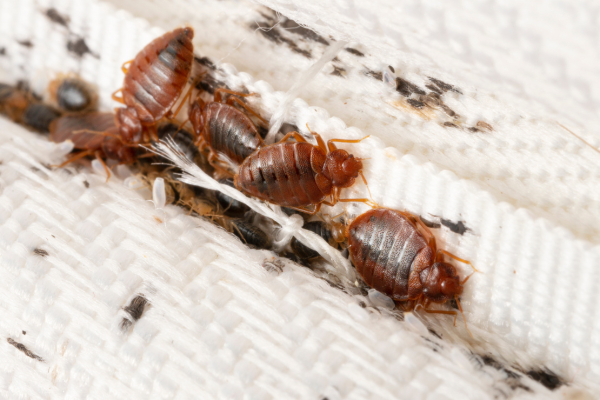
Bed bugs often hide along seams, zippers, piping, handles, and pockets. Use good lighting to inspect these areas thoroughly.
Look for:
- Small reddish-brown insects
- Tiny pale eggs
- Dark spotting or stains
- Shed skins or shell-like material
Because bed bugs prefer narrow hiding places, pay close attention to folds and stitched areas.
Taking the time to properly check luggage for bed bugs can help identify problems before they spread further into the home.
Step 3: Check Interior Compartments
Once the exterior inspection is complete, inspect the inside of the luggage carefully.
Bed bugs may hide inside clothing compartments, pockets, liners, and zipper areas. Empty the suitcase completely and inspect each section individually.
Shake out clothing and inspect shoes, toiletry bags, electronics cases, and travel organizers.
Even if no insects are visible, continuing to check luggage for bed bugs thoroughly is important because early infestations may involve only a few insects.
Step 4: Wash Clothing on High Heat
After unpacking, laundering clothing is one of the most important preventive steps.
Heat is one of the most effective ways to kill bed bugs and their eggs. Washing and drying clothing on high heat whenever possible can help reduce the chance of bringing bed bugs into the home.
Even unworn clothing should be washed if it traveled inside the suitcase.
Travelers who routinely check luggage for bed bugs often combine inspections with immediate laundering after trips.
Step 5: Vacuum the Suitcase Carefully
Vacuuming can help remove hidden insects or debris from luggage.
Use a vacuum with a crevice attachment to clean seams, folds, pockets, and lining areas thoroughly.
After vacuuming, dispose of the vacuum contents in a sealed outdoor trash container.
Because bed bugs can survive in hidden spaces, vacuuming should be considered part of the process when you check luggage for bed bugs, rather than the only preventive measure.
Step 6: Inspect Shoes and Travel Accessories
Shoes and accessories are commonly overlooked during post-travel inspections.
Bed bugs may hide inside shoes, backpacks, purses, laptop bags, packing cubes, and toiletry kits.
Inspect seams, pockets, and fabric folds carefully.
Since these items often move directly from hotels into homes, remembering to check luggage for bed bugs should also include inspecting all related travel accessories.
Step 7: Monitor Bedrooms After Travel
Even after taking precautions, travelers should remain alert for signs of bed bugs during the days and weeks following a trip.
Common warning signs may include:
- Small dark spots on sheets or mattresses
- Shed skins near bedding
- Unexplained bites appearing overnight
- Live insects near mattress seams or furniture edges
Early detection is important because bed bugs can reproduce and spread over time.
People who consistently check luggage for bed bugs after travel may be more likely to notice problems before infestations grow larger.
Why Bed Bugs Often Spread Through Hotels
Hotels experience a constant flow of guests and luggage, which creates opportunities for bed bugs to spread.
Bed bugs may move between rooms through walls, furniture, luggage carts, housekeeping equipment, and guest belongings.
Because of this, even clean and well-maintained hotels may occasionally experience bed bug activity.
Travelers who understand these risks are often more proactive about how they check luggage for bed bugs both during and after trips.
Common Mistakes Travelers Make
Some travelers unintentionally increase the risk of spreading bed bugs after returning home.
One common mistake is unpacking directly onto beds or upholstered furniture. This can allow bed bugs to crawl out of luggage and into the sleeping area.
Another mistake is storing luggage immediately without inspection.
Travelers may also overlook less obvious items such as backpacks, jackets, or shoes where bed bugs could hide.
Failing to properly check luggage for bed bugs may allow insects to remain undetected until signs appear later.
Why DIY Treatments Can Be Difficult
If bed bugs are discovered after travel, some homeowners attempt to handle the issue using sprays or household remedies.
However, bed bugs are difficult to eliminate because they hide in hard-to-reach spaces and reproduce over time.
Over-the-counter products may kill visible insects but often fail to address hidden bed bugs and eggs.
Professional inspection is often important because it helps identify where bed bugs may be hiding and how extensive the activity may be.
Professional Bed Bug Inspection and Treatment
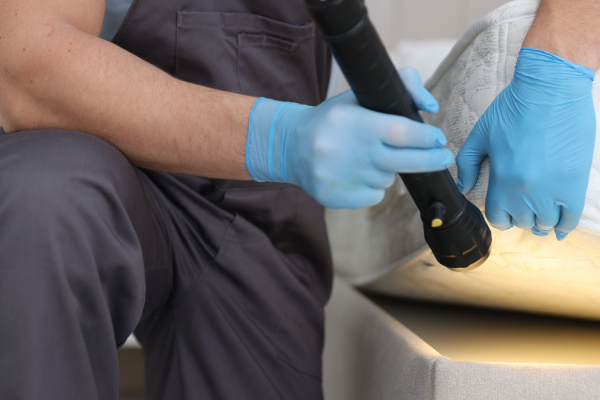 Prevent Pest Control provides bed bug removal services for homeowners throughout Northeast Ohio, including Lorain County, Medina County, Cuyahoga County, and Lake County.
Professional inspections can help determine whether bed bugs are present and identify where activity may be occurring inside the home.
Because bed bugs are highly skilled at hiding, professional evaluation may help homeowners address problems more effectively than relying only on visible signs.
Staying Proactive After Vacation
Travel is one of the most common ways bed bugs spread, but awareness and preparation can help reduce the risk.
Taking time to check luggage for bed bugs after every trip can help travelers identify warning signs early and avoid accidentally introducing pests into the home.
Regular inspections, careful unpacking, laundering clothing, and monitoring sleeping areas are all part of a responsible post-travel routine.
Being proactive does not guarantee that bed bugs will never become a problem, but it can reduce the likelihood of a larger infestation developing unnoticed.
Contact Prevent Pest Control for Bed Bug Concerns
If you suspect bed bugs after returning from vacation or notice signs of activity in your home, Prevent Pest Control can help. We provide bed bug inspection and removal services for homeowners throughout Northeast Ohio, including Lorain County, Medina County, Cuyahoga County, and Lake County. To learn more or schedule an inspection, call Prevent Pest Control at (440) 322-0887.
Common FAQ About Bed Bugs
1. Why should I check luggage for bed bugs after vacation?
You should check luggage for bed bugs because these pests can hide in suitcase seams, pockets, zippers, and clothing after travel. Inspecting luggage before unpacking can help reduce the chance of bringing them into your home.
2. Where do bed bugs hide in luggage?
Bed bugs may hide in seams, zipper tracks, folds, handles, pockets, fabric lining, and interior compartments. These tight, dark areas make luggage a common hiding place after travel.
3. What are signs of bed bugs in a suitcase?
Signs may include small reddish-brown insects, tiny pale eggs, dark spotting, shed skins, or stains along seams and fabric folds.
4. Should I unpack my suitcase in the bedroom after vacation?
It is better to avoid unpacking directly in the bedroom. Unpacking in a controlled area such as a laundry room, garage, or mudroom can help reduce the risk of spreading bed bugs into sleeping areas.
5. How should I wash clothes after traveling?
Wash and dry clothing on the hottest settings allowed by the fabric label. Heat can help kill bed bugs and eggs that may be present on washable items.
6. Can bed bugs hide in shoes and backpacks?
Yes. Bed bugs can hide in shoes, backpacks, purses, laptop bags, toiletry kits, packing cubes, and other travel accessories.
7. How soon after vacation should I check for bed bugs?
It is best to check luggage for bed bugs as soon as you return home, before storing luggage or unpacking belongings throughout the house.
8. What should I monitor after returning from vacation?
Watch for dark spots on bedding, shed skins near mattresses, unexplained bites after sleeping, or live insects around mattress seams and furniture edges.
9. Can vacuuming luggage remove bed bugs?
Vacuuming may help remove visible insects and debris from seams and folds, but it should be combined with careful inspection, laundering, and proper disposal of vacuum contents.
10. When should I call Prevent Pest Control?
If you find signs of bed bugs after vacation or suspect they may have entered your home, contact Prevent Pest Control at (440) 322-0887 for professional bed bug inspection and removal support.

Prevent Pest Control has been proudly serving Ohio communities since 1996, delivering expert pest management solutions backed by over two decades of hands-on experience. Our skilled team is equipped to handle a full range of pest problems, from common household nuisances like ants and spiders to more serious infestations involving rodents, termites, and bed bugs.
We offer reliable, customized treatments for both residential and commercial properties, always focused on safety, effectiveness, and customer satisfaction. Our service area covers much of central and northern Ohio, including major cities such as Cleveland, Columbus, Dayton, and Cincinnati.
Contact Us
We are always here to help. Looking forward to hearing from you!