

Many people assume that fleas only become a problem in homes with dogs or cats. So when fleas suddenly appear in a home without pets, it can be confusing and frustrating. Questions like “why do I have fleas if I don’t have a pet?”, “can fleas live in a house with no animals?”, or “how are there fleas in house no dog or cat?” are surprisingly common among homeowners.
The truth is that fleas without pets are entirely possible. While pets are one of the most common ways fleas enter a home, they are not the only source. Wildlife, previous infestations, visiting animals, and even people can contribute to flea activity indoors.
Understanding how fleas survive, what attracts them, and why they may still appear in homes without pets can help homeowners identify potential sources and know when professional assistance may be needed.
Do Fleas Need Pets to Live?
One of the biggest misconceptions about fleas is that they can only survive in homes with dogs or cats.
Adult fleas prefer to feed on the blood of mammals and birds, and pets often provide an ideal host. However, the presence of household pets is not required for fleas to enter or temporarily survive in a home.
This explains why fleas without pets are more common than many people realize.
A flea may enter a home on wildlife, rodents, visiting pets, or even secondhand items. Once inside, different stages of the flea life cycle can continue developing before homeowners even realize fleas are present.
Why Do I Have Fleas If I Don’t Have a Pet?
 One of the most frequently asked questions is, “why do I have fleas if I don’t have a pet?”
There are several possible explanations. Wildlife is one of the most common sources. Animals such as squirrels, raccoons, opossums, rabbits, skunks, and rodents frequently carry fleas. If these animals spend time around your property, under decks, in crawl spaces, attics, sheds, or near landscaping, fleas may be introduced into the surrounding environment.
Rodents that enter wall voids, basements, garages, or attics may also carry fleas indoors.
Even if you have never owned a pet, wildlife activity around your property can contribute to flea problems.
Visiting Pets Can Introduce Fleas
Friends or family members may occasionally bring pets into your home. Even healthy-looking animals can unknowingly carry fleas from outdoors. A visiting dog or cat may introduce fleas that later reproduce inside the home.
This is another reason homeowners ask, “why do I have fleas if I don’t have a pet?” The visiting animal may have left before fleas became noticeable.
Fleas Can Remain From Previous Occupants
If you recently moved into a home, fleas could have already been present. Immature flea stages can remain in carpeting, flooring, cracks, furniture, or other protected locations before emerging later. This can sometimes create the impression that fleas appeared suddenly, even though they were already present before the current homeowner moved in. While this is not always the cause, it is one possible explanation for fleas in house no dog or cat situations.
Wildlife Around the Home
Homes without pets often have frequent wildlife activity nearby.
Birds, rabbits, squirrels, raccoons, stray cats, and rodents may all travel through yards while carrying fleas.
If wildlife nests beneath porches, decks, sheds, or crawl spaces, flea populations may develop close to the home.
Once these animals leave or move elsewhere, hungry adult fleas may begin searching for another host.
This is one reason fleas without pets are frequently associated with outdoor wildlife activity.
Can Fleas Live in a House With No Animals?
Many homeowners ask, “can fleas live in a house with no animals?”
The answer is that fleas can survive indoors for a period of time, depending on their life stage and environmental conditions.
Adult fleas require blood meals from mammals or birds in order to reproduce successfully. However, flea eggs, larvae, and pupae can continue developing in carpeting, rugs, upholstery, cracks in flooring, and similar protected locations before emerging as adults.
If a suitable host becomes available, adult fleas may feed and continue the life cycle.
Because different stages develop separately, homeowners may notice flea activity even when no pets are present.
Why Fleas Often Appear Suddenly
Many people report seeing no fleas for weeks or months before suddenly noticing multiple bites or jumping insects.
This happens because flea pupae remain protected inside cocoons until conditions encourage adult emergence.
Vibration, warmth, movement, and carbon dioxide produced by people can stimulate adult fleas to emerge.
As a result, homeowners may believe fleas appeared overnight when, in reality, immature stages had already been developing nearby.
This contributes to many fleas in house no dog or cat situations.
Common Places Fleas Hide Indoors
Fleas spend much of their life hidden rather than on a host.
Inside homes they are commonly found in:
- Carpeting
- Area rugs
- Upholstered furniture
- Baseboards
- Floor cracks
- Pet bedding (if applicable)
- Furniture cushions
- Crawl spaces
- Basements
Even homes without pets provide protected locations where immature flea stages can develop.
Because many of these areas are difficult to inspect thoroughly, homeowners may not immediately recognize the source of activity.
Outdoor Sources of Fleas
Flea activity often begins outdoors.
Shaded areas beneath shrubs, decks, porches, wood piles, and dense vegetation may support flea populations, particularly when wildlife regularly visits those areas.
If homeowners spend time gardening, mowing, or working outdoors, fleas may hitchhike indoors on clothing or shoes.
Although this is generally less common than wildlife transport, it can contribute to fleas without pets concerns.
Signs of Fleas in a Home Without Pets
Recognizing flea activity early can help prevent the problem from becoming more widespread.
Common signs include:
- Small jumping insects on floors or carpeting
- Itchy bites around ankles or lower legs
- Fleas noticed after vacuuming
- Increased flea activity after returning from vacation
- Fleas observed near entryways or crawl spaces
These signs do not necessarily confirm where fleas originated, but they may indicate that flea activity is present.
Why DIY Treatments Can Be Challenging
Many homeowners attempt to eliminate fleas using sprays, foggers, or home remedies.
However, fleas have multiple life stages that respond differently to treatment.
Adult fleas are only one part of the population. Eggs, larvae, and pupae may remain hidden in carpeting, flooring, furniture, or protected outdoor areas.
Because of this, eliminating only adult fleas often does not fully resolve the problem.
Proper identification of flea sources is an important part of long-term management.
Reducing Conditions That Support Fleas
Although no prevention method can eliminate every risk, homeowners can reduce conditions that encourage flea activity.
Regular vacuuming helps remove flea eggs and debris from carpets and upholstered furniture.
Maintaining landscaping by trimming vegetation and reducing wildlife harborage around the property may also help reduce flea populations outdoors.
If rodents or wildlife are entering crawl spaces, sheds, or attics, addressing those access points may reduce future flea introductions.
Keeping outdoor resting areas clean and minimizing wildlife attractants can also be beneficial.
Professional Flea Control
Persistent flea problems often require professional evaluation because identifying the original source is not always straightforward.
Prevent Pest Control provides flea, tick, and mosquito removal services for homeowners throughout Northeast Ohio, including Lorain County, Medina County, Cuyahoga County, and Lake County.
A professional inspection can help identify areas where flea activity is occurring and determine factors that may be contributing to the problem.
Because every property is different, inspections allow technicians to evaluate indoor and outdoor conditions before recommending an appropriate course of action.
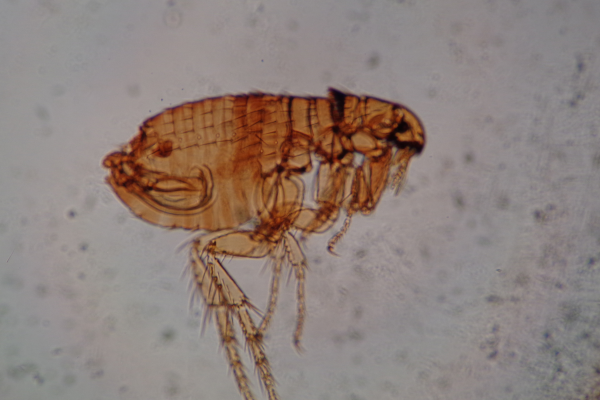 Understanding Fleas Without Pets
Finding fleas in a home without pets can certainly be surprising, but it is not unusual.
Questions such as “why do I have fleas if I don’t have a pet?”, “fleas in house no dog or cat”, and “can fleas live in a house with no animals?” reflect situations that many homeowners experience.
Wildlife, rodents, previous infestations, visiting pets, and outdoor activity can all contribute to flea introductions.
Understanding these possibilities can help homeowners respond more effectively if fleas appear unexpectedly.
Contact Prevent Pest Control
If you’re dealing with fleas without pets or wondering why do I have fleas if I don’t have a pet, professional help can provide clarity and effective solutions.
Prevent Pest Control serves homeowners throughout Northeast Ohio, including Lorain County, Medina County, Cuyahoga County, and Lake County.
To learn more about flea removal services or schedule an inspection, call Prevent Pest Control at (440) 322-0887 or visit Prevent Pest Control Flea, Tick & Mosquito Removal. Our team is here to help you identify the source of flea activity and protect your home.
10 FAQs
-
Can you have fleas without pets?
Yes. Fleas without pets are possible because they can be introduced by wildlife, rodents, visiting pets, or previous infestations. They may also develop indoors if conditions are favorable.
-
Why do I have fleas if I don’t have a pet?
Wildlife, rodents, stray animals, visiting pets, or fleas left behind by previous occupants can all introduce fleas into a home, even if you have never owned a pet.
-
Can fleas live in a house with no animals?
Yes. Flea eggs, larvae, and pupae can survive indoors for a period of time in carpets, furniture, and cracks in flooring. Adult fleas, however, need a blood meal from a mammal or bird to reproduce.
-
Where do fleas hide in homes without pets?
Fleas may hide in carpeting, rugs, upholstered furniture, baseboards, floor cracks, crawl spaces, basements, and other protected areas where they can complete parts of their life cycle.
-
Can wildlife bring fleas into my yard?
Yes. Animals such as raccoons, squirrels, rabbits, opossums, rodents, and stray cats can carry fleas onto your property, increasing the likelihood of flea activity around your home.
-
Can visiting pets bring fleas into my home?
Yes. Even a brief visit from an infested pet can introduce fleas into a home, where they may later become noticeable.
-
Why do fleas seem to appear all at once?
Flea pupae develop inside protective cocoons and may emerge when they detect warmth, movement, or carbon dioxide. This can make flea activity seem sudden.
-
Are flea bites the first sign of an infestation?
Many homeowners first notice itchy bites around their ankles or lower legs. However, seeing small jumping insects or finding fleas on carpeting may also indicate flea activity.
-
Why are fleas difficult to eliminate?
Fleas have multiple life stages, including eggs, larvae, pupae, and adults. Treating only the visible adult fleas may not address the remaining stages that continue developing.
-
When should I contact Prevent Pest Control for flea problems?
If you continue noticing fleas, flea bites, or flea activity despite cleaning and monitoring your home, contact Prevent Pest Control at (440) 322-0887 for professional flea control services.

Prevent Pest Control has been proudly serving Ohio communities since 1996, delivering expert pest management solutions backed by over two decades of hands-on experience. Our skilled team is equipped to handle a full range of pest problems, from common household nuisances like ants and spiders to more serious infestations involving rodents, termites, and bed bugs.
We offer reliable, customized treatments for both residential and commercial properties, always focused on safety, effectiveness, and customer satisfaction. Our service area covers much of central and northern Ohio, including major cities such as Cleveland, Columbus, Dayton, and Cincinnati.
Contact Us
We are always here to help. Looking forward to hearing from you!