
Termites are among the most destructive pests that can invade a home, yet they often remain unnoticed until significant damage has already occurred. Unlike pests that leave obvious evidence of their presence, termites typically work behind walls, beneath floors, and inside wooden structures. As a result, many homeowners overlook the early signs of termite damage or mistake them for normal wear and tear.
If you’ve ever wondered how to tell if you have termites, understanding the subtle warning signs can help you recognize a potential problem sooner. While only a professional inspection can confirm an infestation, knowing what to look for can make it easier to determine when it’s time to seek expert assistance.
Why Termite Damage Often Goes Unnoticed
One reason termites are so difficult to detect is that they spend most of their lives hidden from view. Many species live underground or inside wood, feeding from the inside out while leaving the surface relatively intact.
Because of this behavior, hidden termite damage signs may exist for an extended period before homeowners notice anything unusual. Unlike ants or cockroaches, termites rarely wander openly through living spaces.
Instead, the earliest signs of termite damage are often subtle changes in wood, walls, floors, or other parts of the home.
Hollow-Sounding Wood
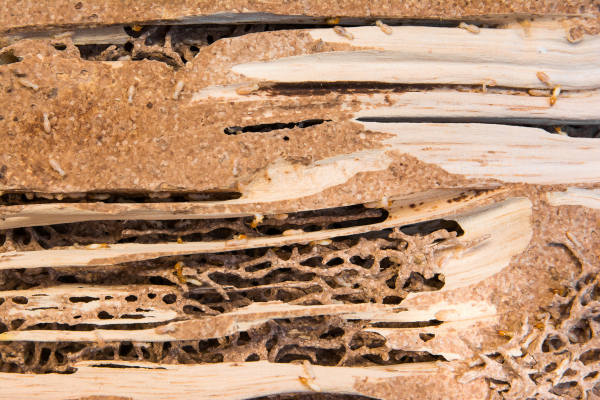 One of the most common signs of termite damage is wood that sounds hollow when tapped.
As termites feed, they consume the interior portions of wood while leaving a thin outer layer behind. This can cause wooden trim, doors, window frames, flooring, or support beams to sound noticeably different than unaffected wood.
Because the exterior surface often remains intact, homeowners may not immediately realize that internal damage has occurred.
Hollow-sounding wood is one of the hidden termite damage signs that should never be ignored.
Doors and Windows That Suddenly Stick
Many people associate sticking doors and windows with humidity or seasonal changes.
While swelling wood can certainly occur naturally, termites feeding inside wooden frames may also contribute to changes in how doors and windows open or close.
If doors or windows become unusually difficult to operate without another obvious explanation, it may be worth considering how to tell if you have termites, especially if other warning signs are present.
Cracked or Bubbling Paint
Paint problems are not always caused by moisture or aging.
When termites tunnel close to the surface of wood, the resulting changes can sometimes cause paint to bubble, peel, or appear uneven.
Although bubbling paint alone does not confirm termites, it is considered one of several possible hidden termite damage signs, particularly when combined with other indicators.
Careful inspection can help determine whether additional evaluation is appropriate.
Mud Tubes Around the Foundation
Subterranean termites, which are common in many parts of Ohio, build protective mud tubes to travel between the soil and wood sources.
These pencil-sized tubes may be found on foundation walls, crawl spaces, basement walls, concrete surfaces, or other structural areas.
Mud tubes help termites stay moist while traveling and protect them from predators and environmental conditions.
Finding mud tubes is one of the clearest signs of termite damage and should be evaluated promptly.
Wood That Appears Damaged or Soft
Wood affected by termites may begin to feel soft, weak, or brittle.
In some cases, the surface may appear normal until light pressure causes it to break apart.
Damaged wood may also develop grooves or channels beneath the surface as termites feed internally.
These are among the termite damage homeowners miss because the exterior wood may still look relatively undamaged.
Discarded Wings
One of the more noticeable signs of termite damage occurs during termite swarming season.
Reproductive termites, often called swarmers, leave established colonies to start new ones. After finding a suitable location, they shed their wings.
Homeowners may find small piles of identical wings near windows, doors, light fixtures, or entryways.
While seeing swarmers does not always mean active damage inside the home, discarded wings may indicate termite activity nearby.
Small Cracks in Wood or Drywall
As termites continue feeding inside structural wood, surrounding materials may begin showing subtle changes.
Small cracks in drywall, trim, or ceilings may develop over time.
Although these issues can have many possible causes, they may represent hidden termite damage signs when combined with additional evidence.
Paying attention to multiple symptoms rather than relying on one sign alone provides a more complete picture.
Uneven or Sagging Floors
Changes in flooring are another issue that homeowners sometimes overlook.
Termite activity beneath flooring systems may contribute to soft spots, uneven areas, or slight sagging.
Again, these symptoms may result from several possible conditions, but they are included among the termite damage homeowners miss because they often develop gradually.
Professional evaluation can help determine whether termites are contributing to structural changes.
Clicking Sounds Inside Walls
Although termites are usually silent, some homeowners report hearing faint clicking or tapping sounds inside walls.
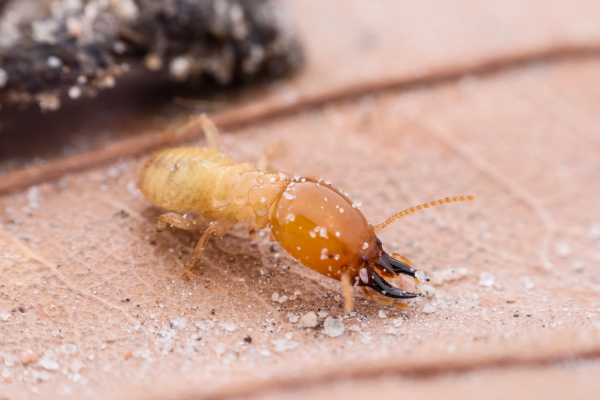
Worker termites may produce subtle vibrations while feeding, and soldier termites can create clicking sounds by tapping their heads against wood to alert the colony to disturbances.
These sounds are not always noticeable, but they are occasionally reported as one of the less obvious hidden termite damage signs.
Why Homeowners Often Miss Early Signs
Many of the earliest warning signs resemble ordinary household issues.
Sticking windows may seem like seasonal humidity.
Cracked paint may appear to be aging.
Small drywall cracks might be blamed on normal settling.
Because termite damage usually develops slowly and out of sight, many homeowners do not consider how to tell if you have termites until more obvious signs appear.
Regular inspections and awareness can help identify potential concerns earlier.
Areas Where Termites Are Commonly Found
Termites are most likely to be found in areas where wood and moisture are present.
Common locations include:
- Crawl spaces
- Basements
- Wooden support beams
- Window frames
- Door frames
- Deck supports
- Porch posts
- Wooden siding
- Floor joists
- Areas near plumbing leaks
These locations provide favorable conditions for termites to feed while remaining hidden.
Understanding these areas can help homeowners recognize termite damage homeowners miss during routine maintenance.
Why Moisture Plays a Role
Moisture often contributes to conditions that termites find favorable.
Leaking pipes, poor drainage, clogged gutters, and areas where wood remains damp for extended periods may increase the likelihood of termite activity.
Reducing moisture around the home is one part of maintaining conditions that are less attractive to wood-destroying insects.
Why DIY Identification Can Be Difficult
Although homeowners can recognize some warning signs, confirming termite activity is often challenging without professional training.
Several other issues may resemble termite damage, including moisture damage, wood decay, carpenter ants, or natural aging.
Because the signs of termite damage can overlap with other conditions, accurate identification is important before taking action.
Professional inspections help distinguish termite activity from other structural concerns.
Professional Termite Inspections
 Prevent Pest Control provides wood-destroying insect removal services for homeowners throughout Northeast Ohio, including Lorain County, Medina County, Cuyahoga County, and Lake County.
Professional inspections involve evaluating areas where termites commonly hide and identifying evidence that may not be visible during routine homeowner inspections.
If termite activity is found, technicians can recommend appropriate treatment options based on the property’s specific conditions.
Protecting Your Home Through Early Awareness
Knowing how to tell if you have termites begins with understanding the subtle warning signs that often go unnoticed.
From hollow wood and mud tubes to sticking doors and discarded wings, many hidden termite damage signs develop gradually over time.
Paying attention to these early indicators may help homeowners address potential problems before additional damage occurs.
Regular home maintenance, moisture management, and professional inspections all play valuable roles in protecting a home’s structural integrity.
Contact Prevent Pest Control
If you’ve noticed signs of termite damage or are concerned about hidden termite damage signs around your home, Prevent Pest Control can help.
Prevent Pest Control provides professional wood-destroying insect removal services for homeowners throughout Northeast Ohio, including Lorain County, Medina County, Cuyahoga County, and Lake County.
To schedule an inspection or learn more, call (440) 322-0887 or visit Prevent Pest Control Wood Destroying Insect Removal. Our experienced team can help identify termite activity and recommend the appropriate next steps for your property.
10 FAQs
-
What are the most common signs of termite damage?
Common signs of termite damage include hollow-sounding wood, mud tubes, discarded wings, bubbling paint, soft or damaged wood, sticking doors or windows, and small cracks in walls or wood.
-
How do I know if I have termites?
If you’re wondering how to tell if you have termites, look for mud tubes near the foundation, hollow wood, discarded wings, damaged wood, or other hidden termite damage signs. A professional inspection can confirm whether termites are present.
-
What are hidden termite damage signs?
Hidden termite damage signs may include hollow wood, soft flooring, bubbling paint, sagging floors, sticking doors or windows, and damage inside walls that is not immediately visible.
-
Why do homeowners often miss termite damage?
Many early signs resemble normal household wear, such as paint damage, settling cracks, or humidity-related issues. Because termites usually remain hidden inside wood, damage often goes unnoticed.
-
What do termite mud tubes look like?
Termite mud tubes are narrow, brown tunnels about the width of a pencil. They are commonly found on foundations, crawl space walls, basement walls, or other surfaces connecting soil to wood.
-
Can termites damage a home without being seen?
Yes. Termites often feed inside wood, leaving the outer surface intact. This allows significant damage to occur before homeowners notice visible warning signs.
-
Do discarded wings always mean I have termites?
Discarded wings may indicate termite swarmers have been present nearby. While they do not always confirm an active infestation inside the home, they should be investigated.
-
Can moisture attract termites?
Moisture creates favorable conditions for many termite species. Leaking pipes, poor drainage, damp crawl spaces, and wood that stays wet for long periods may increase the risk of termite activity.
-
Can termite damage be mistaken for something else?
Yes. Moisture damage, wood rot, carpenter ants, and natural aging can sometimes resemble termite damage. A professional inspection can help identify the actual cause.
-
When should I contact Prevent Pest Control about termites?
If you notice signs of termite damage, mud tubes, discarded wings, or other hidden termite damage signs, contact Prevent Pest Control at (440) 322-0887 for a professional inspection.

Prevent Pest Control has been proudly serving Ohio communities since 1996, delivering expert pest management solutions backed by over two decades of hands-on experience. Our skilled team is equipped to handle a full range of pest problems, from common household nuisances like ants and spiders to more serious infestations involving rodents, termites, and bed bugs.
We offer reliable, customized treatments for both residential and commercial properties, always focused on safety, effectiveness, and customer satisfaction. Our service area covers much of central and northern Ohio, including major cities such as Cleveland, Columbus, Dayton, and Cincinnati.
Contact Us
We are always here to help. Looking forward to hearing from you!