
Discovering bed bugs often leads to an urgent search for the fastest and most appropriate treatment. During that search, homeowners may encounter two commonly discussed options: heat treatment and chemical treatment. Both methods are intended to control bed bugs, but they work differently and may involve different preparation, application, and follow-up requirements.
Understanding bed bug heat treatment vs chemical treatment can help homeowners ask better questions and avoid assuming that one method is automatically right for every infestation. The appropriate approach may depend on where bed bugs are hiding, how widely they have spread, the condition of the property, and whether continued protection is needed after the initial treatment. Prevent Pest Control provides chemical bed bug treatments.
How Bed Bug Heat Treatment Works
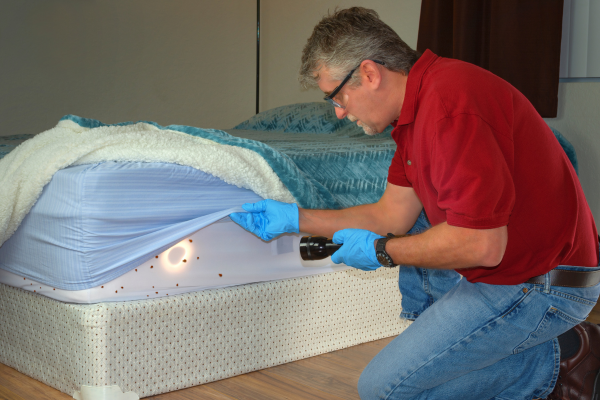 Heat treatment involves raising temperatures in an affected space to levels intended to kill bed bugs and their eggs. Specialized equipment is generally used to warm rooms while technicians monitor temperatures in different areas.
Heat can reach mattresses, upholstered furniture, cracks, and other locations when the temperature is distributed properly. However, successfully heating a room requires careful planning because cool spots may remain behind dense furniture, inside walls, beneath stored belongings, or in areas where airflow is limited.
Certain belongings may also need to be removed or protected before treatment. Electronics, medications, pressurized containers, heat-sensitive materials, and other items can require special preparation. Residents must follow the provider’s instructions carefully so that airflow is not blocked and sensitive belongings are handled appropriately.
Heat treatment does not generally leave a lasting pesticide residue after the property cools. That can be viewed as an advantage in some circumstances, but it also means bed bugs entering from an untreated location later may not encounter continued treatment.
How Chemical Bed Bug Treatment Works
Chemical treatment uses products selected and applied to places where bed bugs hide, travel, or are likely to come into contact with treated surfaces. Depending on the treatment plan, applications may focus on mattress seams, bed frames, baseboards, furniture joints, cracks, crevices, and other concealed areas.
When comparing bed bug heat treatment vs chemical, one important difference is that certain chemical products can continue working after the initial application. This residual effect may help control bed bugs that emerge from hiding later or pass through treated areas.
Chemical treatment is not simply a matter of spraying an entire room. Bed bugs hide in narrow spaces and can spread when disturbed, so accurate identification and targeted application are important. Product labels, preparation requirements, reentry instructions, and follow-up recommendations must also be followed.
Prevent Pest Control states that it performs inspections and applies chemical treatments where appropriate for bed bug activity.
Why Chemical Treatment May Require More Than One Visit
Bed bugs can remain hidden in small crevices, and eggs may be difficult to reach during an initial application. For that reason, a chemical treatment plan may include monitoring or follow-up work rather than relying on one visible application.
This does not necessarily mean the treatment failed. Follow-up activity may be used to evaluate whether bed bugs remain active, determine whether preparation instructions were followed, and address areas that need additional attention.
Homeowners considering bed bug heat treatment vs chemical should therefore avoid comparing the methods only by the number of visits involved. A treatment plan should be judged by how thoroughly it addresses hiding locations, emerging bed bugs, and the possibility of continued activity.
Residual Protection Is an Important Difference
One of the primary reasons chemical treatment may be selected is the potential for residual control. Bed bugs do not always leave their hiding places at the same time. Some may remain concealed inside furniture joints, baseboard gaps, wall openings, or clutter until after the initial service.
A properly applied residual product may remain active on designated surfaces for a period permitted by its label. Bed bugs moving through those areas later can then be exposed to the treatment.
Heat may kill bed bugs exposed to sufficient temperatures during the service, but it does not provide the same type of continued residual protection after temperatures return to normal. In the bed bug heat treatment vs chemical discussion, this distinction may be especially relevant in apartments, multi-unit housing, or properties where bed bugs could move from an untreated adjoining space.
Preparation Matters for Both Methods
Neither treatment method eliminates the need for homeowner cooperation. Heat treatment may require removing sensitive items, rearranging belongings, and preparing rooms so that heated air can circulate. Chemical treatment may require laundering certain fabrics, reducing clutter, emptying selected furniture, or making baseboards and sleeping areas accessible.
The exact preparation instructions can vary, so residents should follow the directions provided for their property rather than relying on a generic online checklist. Moving belongings into another room without guidance can spread bed bugs into areas that were not previously affected.
People comparing bed bug heat treatment vs chemical should also understand that excessive cleaning immediately after a chemical application may remove products from treated areas. Any cleaning or reentry instructions should come from the pest control provider and the applicable product label.
Treatment Choice Depends on the Infestation
The location and extent of the infestation can influence treatment decisions. Bed bugs concentrated near one sleeping area may require a different plan from activity found in several bedrooms, upholstered furniture, or neighboring apartment units.
Clutter, wall voids, shared utility lines, damaged furniture, and frequent movement of personal belongings can make control more complicated. Confirming that the pest is actually a bed bug is also important because bites alone are not enough to identify an infestation.
Professional bed bug extermination services may begin by examining common hiding areas and reviewing where signs have been found. Prevent Pest Control confirms that it provides bed bug inspections and treatment services for homeowners and renters.
Does Heat Always Work Faster Than Chemical Treatment?
Heat is sometimes presented as a single-service solution, but no bed bug treatment should be treated as an automatic guarantee. Its effectiveness depends on whether lethal temperatures reach every relevant hiding place and remain there as required.
Dense belongings, inaccessible voids, equipment placement, airflow, and movement from untreated areas may affect the outcome. Similarly, chemical treatment depends on correct product selection, targeted placement, preparation, and follow-up.
The question of bed bug heat treatment vs chemical should therefore not be reduced to which option sounds faster. A careful treatment that addresses the actual infestation is more important than choosing a method based only on convenience or marketing language.
Why Store-Bought Sprays Are Not the Same as Professional Treatment
Aerosols and other retail products may kill some bed bugs that are directly contacted, but visible insects can represent only part of the infestation. Bed bugs may remain inside bed frames, upholstered furniture, baseboards, electrical openings, and other difficult-to-reach spaces.
Applying products broadly without understanding their labels can create unnecessary exposure or cause bed bugs to move deeper into hiding places. Foggers are also unlikely to reach every narrow crevice where bed bugs remain concealed.
Professional chemical treatment involves more than purchasing an insecticide. It may include pest identification, inspection, targeted application, monitoring, and instructions intended to reduce the risk of spreading bed bugs during preparation.
 Which Bed Bug Treatment Do You Actually Need?
The right response depends on the property and the evidence found during an inspection. Heat treatment can be a legitimate bed bug control method when performed with specialized equipment and proper temperature monitoring. Chemical treatment can provide targeted control and may offer residual activity after the initial application.
For homeowners evaluating bed bug heat treatment vs chemical, the most useful question is not which method is universally better. It is which method can be applied correctly to the specific hiding places, rooms, and conditions involved.
Because Prevent Pest Control provides chemical bed bug treatments, homeowners contacting the company should expect the discussion to focus on inspection findings and chemical treatment options rather than whole-room heat service.
Contact Prevent Pest Control About Bed Bug Activity
Bed bugs can spread through luggage, clothing, furniture, and other belongings, so delaying action or moving items throughout the home may make the problem more difficult to contain. When comparing bed bug heat treatment vs chemical, professional identification can help clarify whether bed bugs are present and what areas may require attention. To discuss bed bug activity and chemical treatment options, contact Prevent Pest Control or call (440) 322-0887.
Frequently Asked Questions
1. Is chemical treatment effective for bed bugs?
Yes, chemical treatment can be effective when the infestation is correctly identified and products are applied to appropriate hiding and travel areas. Success may depend on preparation, access to infested spaces, product selection, follow-up, and whether bed bugs are entering from untreated rooms or neighboring units.
2. Does chemical bed bug treatment kill eggs?
Some chemical products may affect bed bug eggs, while others work primarily after bed bugs hatch and contact treated surfaces. This is one reason follow-up inspections or applications may be part of a treatment plan. The specific approach generally depends on the products used, label directions, and the locations where activity is found.
3. Why might chemical treatment require multiple visits?
Chemical treatment may require multiple visits because bed bugs can remain hidden in narrow crevices or emerge after the initial application. Follow-up visits can help evaluate continued activity, address newly hatched bed bugs, and treat areas that were inaccessible or overlooked during the first service.
4. Is heat treatment always better than chemical treatment?
No, heat treatment is not automatically better than chemical treatment for every infestation. The bed bug heat treatment vs chemical decision can depend on the property, infestation location, preparation requirements, concealed hiding places, and the need for residual control. A properly planned chemical treatment may be appropriate for many homes.
5. How long does chemical bed bug treatment continue working?
The length of residual activity varies by product, surface, environmental conditions, and label instructions. Some treatments may remain active on designated surfaces after the initial application, which can expose bed bugs that leave their hiding places later. Treated areas should not be cleaned or disturbed contrary to the provider’s instructions.
6. Can I stay in my home during chemical bed bug treatment?
Residents may need to leave treated areas during application and remain out for a specified period. Reentry requirements depend on the products used, label directions, the rooms being treated, and the provider’s instructions. Children, pets, and other occupants should follow the same safety guidance provided before service.
7. What should I remove before chemical bed bug treatment?
Preparation may include removing clutter, laundering selected fabrics, securing personal items, and providing access to beds, furniture, and baseboards. Residents should not move belongings into untreated rooms unless instructed, because bed bugs may be transported with them. The exact preparation checklist should come from the pest control provider.
8. Should mattresses and furniture be discarded before treatment?
Mattresses and furniture do not always need to be discarded before chemical treatment. The decision may depend on their condition, the severity and location of activity, and whether they can be inspected and treated appropriately. Discarding infested items without wrapping or labeling them may spread bed bugs through hallways or shared areas.
9. Can bed bugs return after chemical treatment?
Bed bugs can reappear if some remain concealed, untreated areas continue to support activity, or new bed bugs are introduced through luggage, furniture, clothing, or neighboring units. Reappearance does not always identify the exact cause, so monitoring and follow-up may be necessary after bed bug extermination services.
10. Does Prevent Pest Control provide heat treatments for bed bugs?
No, Prevent Pest Control provides chemical bed bug treatments rather than whole-room heat treatments. Homeowners comparing bed bug heat treatment vs chemical can contact Prevent Pest Control to discuss confirmed bed bug activity and available chemical treatment options at (440) 322-0887.

Prevent Pest Control has been proudly serving Ohio communities since 1996, delivering expert pest management solutions backed by over two decades of hands-on experience. Our skilled team is equipped to handle a full range of pest problems, from common household nuisances like ants and spiders to more serious infestations involving rodents, termites, and bed bugs.
We offer reliable, customized treatments for both residential and commercial properties, always focused on safety, effectiveness, and customer satisfaction. Our service area covers much of central and northern Ohio, including major cities such as Cleveland, Columbus, Dayton, and Cincinnati.
Contact Us
We are always here to help. Looking forward to hearing from you!