

Cooler weather often changes the types of pests Ohio homeowners notice, but bed bugs do not follow the same seasonal pattern as many outdoor insects. While mosquitoes, wasps, and other pests may become less noticeable as temperatures drop, bed bugs in Ohio can remain active inside homes, apartments, hotels, dormitories, and other heated buildings throughout the fall.
Bed bugs depend primarily on access to people rather than outdoor weather. They live close to places where people sleep or rest and can be transported from one location to another on luggage, clothing, furniture, and personal belongings. That means October temperatures alone are not enough to eliminate an established indoor infestation.
Bed Bugs Live Primarily in Indoor Environments
One reason bed bugs in Ohio remain a concern during fall is that they commonly live indoors, where temperatures are much more stable than outside.
Bedrooms provide many protected hiding areas, including mattress seams, bed frames, headboards, furniture joints, baseboards, and nearby cracks or crevices. Bed bugs may also be found around couches and other locations where people spend extended periods resting.
Heating systems help maintain livable indoor conditions as outdoor temperatures decline. As a result, bed bugs already established inside a residence are not necessarily exposed to the cold temperatures occurring outdoors.
This makes bed bugs in fall different from pests whose activity depends heavily on warm outdoor weather.
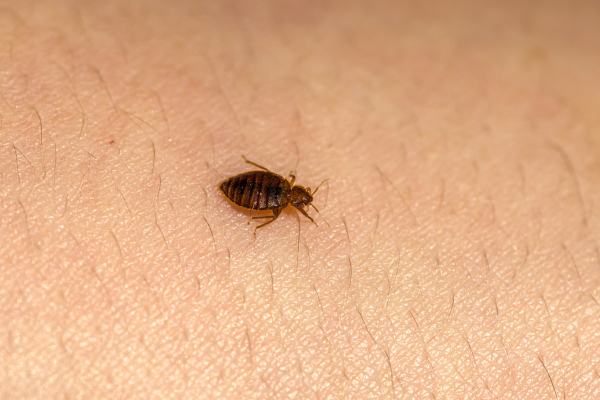 Fall Travel Can Still Move Bed Bugs From Place to Place
Summer is commonly associated with vacations, but travel does not stop when September ends. Weekend trips, sporting events, business travel, college visits, family gatherings, and hotel stays continue throughout the fall.
Bed bugs are effective hitchhikers. They may hide in the seams of luggage, backpacks, clothing, or other belongings and be transported without being noticed.
Prevent Pest Control explains several warning signs travelers can watch for in its resource on signs you picked up bed bugs while traveling.
Travel does not guarantee exposure to bed bugs, and finding an unexplained bite after a trip does not prove they were brought home. However, inspecting luggage and belongings after overnight travel may help homeowners recognize suspicious activity earlier.
Returning Students Can Create Additional Movement
Fall is also a period of increased movement around colleges, apartments, and shared housing. Students may relocate into dormitories or apartments, return home for weekends, or move belongings between residences.
Because bed bugs can travel with personal belongings, movement between locations can create opportunities for accidental introduction. Used furniture and mattresses may also carry bed bugs if they have previously been in an infested location.
Homeowners concerned about bed bugs in Ohio should be cautious when bringing secondhand upholstered furniture or bedroom furniture indoors. Items should be inspected before they are moved into sleeping or living areas.
Bed Bugs Do Not Need an Untidy Home
A common misconception is that bed bugs are caused by poor housekeeping. Bed bugs can occur in clean or cluttered environments because their primary need is access to a host.
Clutter can make detection and treatment more complicated by creating additional hiding places, but cleanliness alone cannot prevent a bed bug from being introduced through luggage, furniture, clothing, or other belongings.
This distinction matters when dealing with bed bugs in fall, particularly after travel or a household move. A homeowner may maintain a clean residence and still encounter bed bugs if they are accidentally transported inside.
Fall Is a Good Time to Know the Warning Signs
Knowing what to look for can help homeowners recognize possible bed bugs in Ohio before activity becomes more difficult to evaluate.
Potential signs may include:
- Live bed bugs around sleeping or resting areas
- Dark spotting along mattress seams or bed frames
- Shed skins
- Eggs or eggshells in protected hiding locations
- Unexplained marks on bedding
- Repeated sightings near beds or upholstered furniture
Bites alone are not a reliable way to confirm bed bugs because skin reactions can have many possible causes.
Prevent Pest Control’s guide on how to spot bed bugs early provides additional information about areas homeowners may want to examine when they suspect activity.
Moving Fall Decorations and Stored Items Requires Some Awareness
October often involves retrieving seasonal decorations, blankets, clothing, or other belongings from basements, storage rooms, closets, garages, or storage units.
Bed bugs generally prefer locations close to people, so stored holiday decorations themselves are not automatically a major bed bug source. However, items that have been stored near infested furniture or moved between residences may potentially transport pests.
Instead of assuming every stored box presents a risk, homeowners can focus on belongings that have recently traveled, been obtained secondhand, or have been stored in an area where bed bugs were previously confirmed.
Careful inspection is more useful than unnecessary disposal of household items.
Apartments Can Make Bed Bug Activity More Complicated
Multi-unit housing introduces another consideration for bed bugs in Ohio. Apartments, condominiums, and other connected buildings place many households close together.
Bed bugs may occasionally move through cracks, wall voids, or utility openings between neighboring spaces. They can also be carried through shared hallways, laundry areas, or furniture movement.
If a renter finds suspected bed bug activity, notifying the property manager according to the building’s reporting procedures may be important. Moving belongings into another bedroom or neighboring unit without guidance could accidentally spread insects to an unaffected location.
The correct response may depend on the building, lease requirements, and where activity is found.
Do Cold Ohio Nights Kill Bed Bugs Indoors?
Normal fall temperatures outside should not be relied upon as a way to eliminate an indoor infestation. A heated house remains a protected environment even when nighttime temperatures become cold.
Placing belongings outside temporarily is also not a dependable substitute for proper pest management. Temperatures can fluctuate, and concealed bed bugs may remain protected within belongings.
When evaluating bed bugs in fall, homeowners should focus on correct identification, careful handling of potentially affected items, and appropriate treatment rather than expecting seasonal weather to solve the problem.
Avoid Spreading Bed Bugs While Trying to Remove Them
Discovering a suspected bed bug can lead to immediate attempts to clean or rearrange the room. Some actions, however, may move bed bugs into additional areas.
Avoid carrying potentially infested mattresses, bedding, or upholstered furniture through the home without appropriate guidance. Moving clothing and belongings into another bedroom can also spread insects if bed bugs are hiding in those items.
Prevent Pest Control provides practical guidance on what to do during the first 24 hours after finding bed bugs.
Homeowners should also avoid assuming that retail sprays or foggers will reach every hiding place. Bed bugs can remain concealed in very narrow cracks, furniture joints, and other difficult-to-access locations.
 Inspection Helps Confirm What You Are Seeing
Not every small insect discovered around a bed is a bed bug. Carpet beetles, fleas, and other pests can sometimes create confusion, particularly when the insect is seen only briefly.
Correct identification matters before choosing a treatment approach. Prevent Pest Control offers bed bug inspection and treatment services, and its service information describes professional evaluation as part of addressing suspected activity.
For homeowners dealing with bed bugs in Ohio, noting where insects or other signs were found can provide useful information. Avoid crushing or discarding a suspected specimen if it can be safely preserved for identification.
Fall Weather Does Not Mean Bed Bug Season Is Over
Bed bugs do not disappear simply because Ohio’s outdoor temperatures begin dropping. Heated buildings, continued travel, shared housing, secondhand belongings, and regular movement between locations can all allow bed bugs in Ohio to remain a concern during October and beyond.
Homeowners who suspect bed bugs in fall should avoid relying on cold weather or moving potentially infested belongings around the home. If you find signs that may indicate bed bug activity and want help determining the appropriate next step, contact Prevent Pest Control through its website or call (440) 322-0887.
Frequently Asked Questions
1. Can bed bugs stay active in an Ohio home during cold weather?
Yes, bed bugs can remain active indoors during cold weather because heated homes provide a stable environment. Outdoor temperatures may drop significantly in fall and winter, but bed bugs living near beds, furniture, baseboards, and other protected indoor areas are not necessarily exposed to those conditions.
2. Do bed bugs become less active in the fall?
Bed bug activity does not necessarily stop in the fall. Unlike many outdoor pests, bed bugs depend mainly on access to people rather than warm outdoor weather. Bed bugs in Ohio may continue feeding, hiding, and reproducing indoors as long as suitable conditions remain available.
3. Can fall travel increase the risk of bringing bed bugs home?
Yes, fall travel can still create opportunities for bed bugs to hitchhike on luggage, clothing, backpacks, and other belongings. Hotels, shared accommodations, dormitories, and overnight stays may all involve potential exposure. Inspecting travel items after returning home can help homeowners notice suspicious signs earlier.
4. Can bed bugs come home with college students in the fall?
Yes, bed bugs may be transported with students who move between dormitories, apartments, and family homes. Clothing, bedding, backpacks, furniture, and other belongings can potentially carry bed bugs without obvious signs. Careful inspection is useful when items are moved between shared living environments.
5. Are bed bugs more likely to hide when temperatures cool down?
Bed bugs naturally spend much of their time hidden regardless of the season. They may stay in mattress seams, bed frames, furniture joints, baseboards, and other protected spaces close to resting areas. Cooler outdoor temperatures do not necessarily cause a major change in indoor hiding behavior.
6. Can secondhand furniture bring bed bugs into an Ohio home?
Yes, used mattresses, upholstered furniture, bed frames, and other secondhand items may potentially carry bed bugs if they came from an infested environment. Homeowners should inspect used items carefully before bringing them indoors, especially when there is no information about where the item was previously stored.
7. Should I move to another bedroom if I find bed bugs in the fall?
Moving to another bedroom may unintentionally spread bed bugs if insects are carried on bedding, clothing, or personal belongings. It is generally better to avoid relocating potentially infested items without guidance. Correct identification and careful handling can help reduce the chance of spreading activity into additional rooms.
8. Can cold outdoor air kill bed bugs on furniture or belongings?
Cold outdoor air should not be relied upon as a dependable bed bug control method. Temperatures can fluctuate, and bed bugs may remain protected inside furniture, clothing, boxes, or other belongings. Professional pest control guidance is generally more appropriate than leaving potentially infested items outside and assuming the weather will eliminate them.
9. How can I tell whether I have bed bugs in fall?
Look for live bed bugs, dark spotting, shed skins, eggs, or activity around mattresses, bed frames, headboards, and nearby furniture. Bites alone do not confirm an infestation because skin reactions can have many possible causes. Preserving a suspected insect or taking a clear photo may help with identification.
10. What bed bug treatment does Prevent Pest Control provide?
Prevent Pest Control provides chemical bed bug treatments rather than heat treatments. Homeowners concerned about bed bugs in Ohio can contact Prevent Pest Control to discuss suspected activity, inspections, and available chemical treatment options at (440) 322-0887.

Prevent Pest Control has been proudly serving Ohio communities since 1996, delivering expert pest management solutions backed by over two decades of hands-on experience. Our skilled team is equipped to handle a full range of pest problems, from common household nuisances like ants and spiders to more serious infestations involving rodents, termites, and bed bugs.
We offer reliable, customized treatments for both residential and commercial properties, always focused on safety, effectiveness, and customer satisfaction. Our service area covers much of central and northern Ohio, including major cities such as Cleveland, Columbus, Dayton, and Cincinnati.
Contact Us
We are always here to help. Looking forward to hearing from you!