
Running a successful restaurant involves much more than serving quality food. Restaurant owners and managers must also maintain a clean, sanitary environment that complies with local health regulations. One issue that can quickly jeopardize both compliance and customer confidence is pest activity. Understanding the role of a restaurant pest control inspection and knowing why do restaurants fail health inspections because of pests can help food service businesses stay proactive.
Pests such as rodents, cockroaches, flies, and ants are attracted to the same things restaurants depend on every day: food, water, warmth, and shelter. If these pests gain access to a facility, they can create sanitation concerns that may contribute to common health code violations pests inspectors look for during routine visits.
While every health inspection is unique and regulations vary by jurisdiction, understanding how pests contribute to inspection issues can help restaurant operators recognize potential risks before they become larger problems.
Why Pests Are a Major Concern in Restaurants
Restaurants naturally provide conditions that attract pests.
Commercial kitchens generate food waste, moisture, grease, and frequent deliveries. Even facilities that maintain excellent cleaning practices may experience pest pressure because insects and rodents continually search for these resources.
Pests can also enter buildings through deliveries, drains, utility openings, loading docks, and small structural gaps.
Because food safety is a priority for health departments, pest activity often receives significant attention during a restaurant pest control inspection.
Why Do Restaurants Fail Health Inspections?
 Many restaurant owners ask, “why do restaurants fail health inspections?”
Health inspections evaluate a variety of food safety and sanitation practices. While inspection requirements vary, pest activity is often considered an important indicator of sanitation and facility maintenance.
Visible pests, evidence of pest activity, or conditions that encourage infestations may contribute to inspection concerns.
Understanding why do restaurants fail health inspections often begins with recognizing how pests affect food preparation areas, storage areas, and overall sanitation.
Common Health Code Violations Related to Pests
Several common health code violations pests may contribute to involve conditions that allow pests to survive or spread within a facility.
Examples may include:
- Evidence of rodents or insects
- Pest droppings
- Live pest activity
- Improper food storage
- Gaps around doors or utility lines
- Excess moisture
- Standing water
- Overflowing trash
- Poor sanitation in food preparation areas
These conditions do not necessarily occur together, but each may increase the likelihood of pest problems if left unaddressed.
Maintaining a clean environment helps reduce many common health code violations pests inspectors evaluate during routine inspections.
Cockroaches and Restaurant Inspections
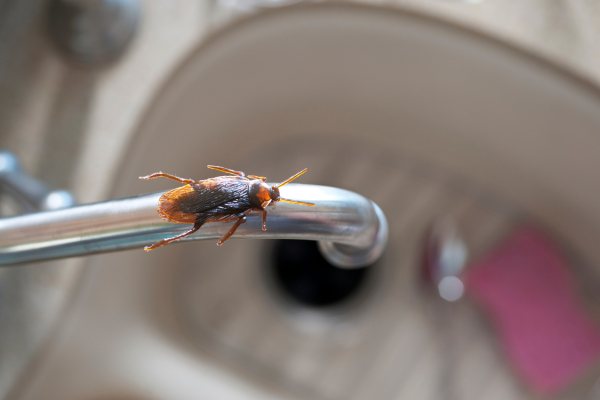
Cockroaches are among the most common pests associated with commercial kitchens.
They are attracted to grease, food residue, moisture, and dark hiding places behind equipment and inside wall voids.
Because cockroaches often remain hidden during the day, even a few daytime sightings may indicate a larger population.
During a restaurant pest control inspection, technicians often pay close attention to kitchens, storage areas, dishwashing stations, floor drains, and utility spaces where cockroaches are most likely to hide.
Rodents in Food Service Facilities
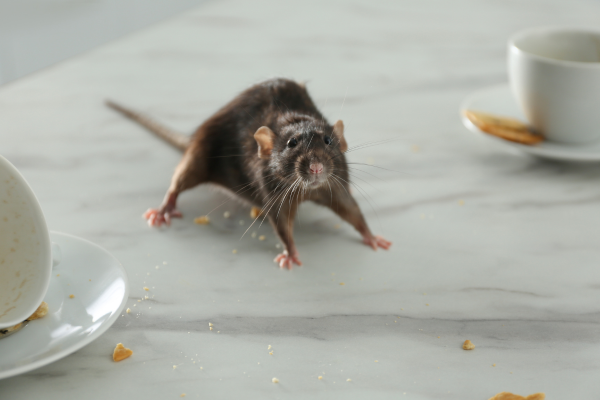
Rodents are another major concern for restaurants. Mice and rats can contaminate food storage areas, damage packaging, and leave droppings in areas where food is prepared or stored.
Rodents may enter through surprisingly small openings around doors, foundations, utility lines, or loading docks.
Signs such as droppings, gnaw marks, grease rub marks, or nesting materials often indicate rodent activity.
Preventing rodent access is an important part of meeting restaurant pest control requirements.
Flies and Other Flying Insects
Flying insects can also contribute to sanitation concerns.
Drain flies, fruit flies, and house flies are commonly associated with restaurants because they are attracted to moisture, food residue, and organic material.
Poor drain maintenance, standing water, and improperly managed waste areas may increase fly activity.
Because flies can move throughout food preparation areas, they are another focus during restaurant pest control inspection procedures.
Ants in Commercial Kitchens
Ants are frequently encountered in restaurants during warmer months.
Food crumbs, sugary spills, grease, and moisture provide attractive resources for foraging ants.
Once ants establish a trail to a food source, activity may increase rapidly.
Although ants may appear less concerning than other pests, they can still contribute to common health code violations pests when found in food preparation or storage areas.
Why Food Storage Matters
Proper food storage plays a significant role in pest prevention.
Open containers, damaged packaging, food debris, and improperly sealed ingredients provide food sources that attract pests.
Keeping food stored in sealed containers and rotating inventory regularly helps reduce opportunities for pest activity.
Good storage practices also support compliance with restaurant pest control requirements.
Moisture Is a Major Attraction
Water is just as important to pests as food.
Leaking pipes, condensation, standing water, clogged drains, and damp mop areas provide moisture that many pests require.
Cockroaches, rodents, flies, and other pests often concentrate around water sources.
Routine maintenance and prompt repair of plumbing issues can help reduce conditions that contribute to how pests cause failed restaurant inspections.
Structural Maintenance Helps Prevent Pest Entry
Even clean restaurants can experience pest issues if buildings have structural vulnerabilities.
Small cracks, damaged weather stripping, gaps beneath doors, torn screens, and openings around pipes can all allow pests to enter.
Regular facility inspections help identify potential entry points before they become larger problems.
Addressing these issues is an important component of restaurant pest control requirements.
Employee Awareness Plays an Important Role
Restaurant staff play a key role in identifying pest activity early.
Employees who recognize signs such as droppings, insect sightings, damaged packaging, or unusual odors can report concerns before infestations become more extensive.
Routine cleaning schedules, proper waste disposal, and consistent sanitation practices all contribute to reducing pest pressure.
Training employees about how pests cause failed restaurant inspections helps create a proactive approach to pest prevention.
Why Deliveries Should Be Inspected
Deliveries represent another potential source of pests.
Cardboard boxes, produce shipments, and food deliveries may occasionally transport insects or rodents into a facility.
Inspecting deliveries before storage can help reduce the chance of introducing pests into kitchens or storage rooms.
Prompt disposal of cardboard and shipping materials also removes potential hiding places.
Restaurant Pest Control Requirements
Although regulations vary by location, restaurant pest control requirements generally emphasize maintaining sanitary conditions and preventing pest activity.
Restaurants are responsible for addressing conditions that allow pests to enter, survive, or reproduce.
Routine pest management, facility maintenance, sanitation, and monitoring all contribute to supporting these objectives.
Professional pest control services can help restaurants evaluate conditions that may increase pest risks.
How Pests Cause Failed Restaurant Inspections
Many owners ask how pests cause failed restaurant inspections.
The answer often involves more than simply seeing a pest.
Inspectors may also evaluate evidence of pest activity, sanitation practices, food storage conditions, structural maintenance, and environmental factors that encourage infestations.
Visible pests, droppings, nesting materials, or conditions supporting pest activity may all contribute to inspection findings.
Understanding how pests cause failed restaurant inspections encourages restaurant operators to view pest prevention as part of an overall food safety program rather than simply responding when pests become visible.
The Value of Professional Pest Management
Restaurants operate in environments where complete elimination of pest pressure is difficult because food, water, and deliveries are part of daily operations.
Professional pest management helps identify potential problem areas before they become more significant.
Prevent Pest Control provides commercial pest control services for businesses throughout Northeast Ohio, including Lorain County, Medina County, Cuyahoga County, and Lake County.
Professional inspections may identify pest activity, structural concerns, sanitation issues, and conditions that support ongoing infestations.
Staying Prepared Year-Round
 Pest activity changes throughout the year, but restaurants remain attractive to pests during every season.
Warm weather may increase flies, ants, and cockroach activity, while colder weather often drives rodents indoors.
Maintaining consistent sanitation, structural maintenance, employee awareness, and routine pest monitoring helps reduce year-round risks.
Understanding restaurant pest control inspection expectations and the role pests play in food safety supports long-term operational success.
Contact Prevent Pest Control
If your restaurant or commercial food service facility needs professional pest management, Prevent Pest Control is here to help. Prevent Pest Control provides commercial pest control services for businesses throughout Northeast Ohio, including Lorain County, Medina County, Cuyahoga County, and Lake County. To learn more or schedule a commercial pest control inspection, call (440) 322-0887 or visit Prevent Pest Control Commercial Pest Control Services.
10 FAQs
-
Why do restaurants fail health inspections because of pests?
Restaurants may fail health inspections when inspectors find evidence of pest activity, pest droppings, live insects or rodents, or conditions that encourage infestations, such as poor sanitation or improper food storage.
-
What is included in a restaurant pest control inspection?
A restaurant pest control inspection typically involves checking for signs of insects and rodents, identifying potential entry points, evaluating sanitation conditions, and looking for factors that may contribute to pest activity.
-
What are the most common health code violations related to pests?
Common health code violations pests may contribute to include evidence of insects or rodents, food contamination risks, improper waste management, standing water, structural openings, and unsanitary food storage areas.
-
Why are commercial kitchens attractive to pests?
Commercial kitchens provide food, water, warmth, shelter, and frequent deliveries, all of which can attract pests such as cockroaches, rodents, ants, and flies.
-
What pests are most commonly found in restaurants?
Restaurants commonly encounter cockroaches, mice, rats, ants, fruit flies, drain flies, and house flies because these pests are attracted to food preparation and storage areas.
-
How do pests get into restaurants?
Pests may enter through gaps around doors and windows, utility openings, loading docks, drains, deliveries, damaged weather stripping, and cracks in the building structure.
-
What are restaurant pest control requirements?
Restaurant pest control requirements generally focus on maintaining sanitary conditions, preventing pest entry, monitoring for activity, correcting structural issues, and responding promptly when pests are discovered. Specific requirements vary by jurisdiction.
-
How do pests cause failed restaurant inspections?
Pests can contribute to failed restaurant inspections by contaminating food preparation areas, leaving droppings, damaging stored food, creating sanitation concerns, or indicating conditions that do not meet health regulations.
-
Can a clean restaurant still have pest problems?
Yes. Even clean restaurants may experience pest activity because food service operations naturally provide food, moisture, and shelter. Consistent sanitation and professional pest management help reduce the risk.
-
When should a restaurant contact Prevent Pest Control?
Restaurants should contact Prevent Pest Control if they notice signs of pest activity, want routine commercial pest management, or would like a professional inspection to help reduce pest risks.

Prevent Pest Control has been proudly serving Ohio communities since 1996, delivering expert pest management solutions backed by over two decades of hands-on experience. Our skilled team is equipped to handle a full range of pest problems, from common household nuisances like ants and spiders to more serious infestations involving rodents, termites, and bed bugs.
We offer reliable, customized treatments for both residential and commercial properties, always focused on safety, effectiveness, and customer satisfaction. Our service area covers much of central and northern Ohio, including major cities such as Cleveland, Columbus, Dayton, and Cincinnati.
Contact Us
We are always here to help. Looking forward to hearing from you!