

As temperatures rise and households shift into a summer routine, many homeowners begin to notice an uptick in pest activity—especially in the kitchen. One of the most common complaints during this time of year is seeing ants moving along countertops, around sinks, or near food storage areas. The phrase “ants in kitchen summer” becomes a reality for many homes, particularly in regions like Ohio where seasonal changes strongly influence insect behavior.
Understanding why ants are more likely to invade kitchens in early summer can help you take the right steps to prevent them. Ant activity is not random. It is driven by environmental conditions, food availability, colony growth, and the natural life cycle of these insects. By learning what attracts ants indoors and how they behave during this time of year, homeowners can better protect their kitchens and reduce the risk of ongoing infestations.
Why Early Summer Triggers Increased Ant Activity
Early summer creates ideal conditions for ant colonies to expand and become more active. During the spring months, ant colonies begin to wake up and rebuild after the winter. By the time early summer arrives, many colonies are actively growing and sending out worker ants to search for food and water.
Warmer temperatures accelerate ant metabolism and movement. As a result, ants travel farther and more frequently in search of resources to support the colony. Increased rainfall in late spring and early summer can also push ants out of their outdoor nests, leading them to seek shelter indoors.
This combination of colony expansion, environmental pressure, and increased activity makes early summer one of the most common times for ants to enter homes.
Why Kitchens Are a Primary Target
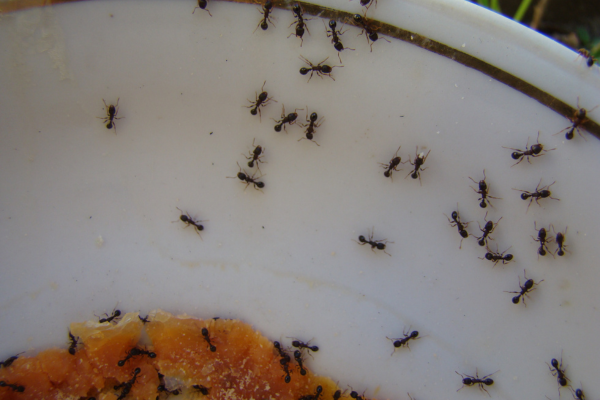 Kitchens are one of the most attractive areas in any home for ants. This is because kitchens provide three essential resources ants need: food, water, and shelter.
Food is the primary reason ants enter kitchens. Even small crumbs, spills, or food residue can attract foraging ants. Sugary substances such as juice, fruit, syrup, and candy are especially appealing, but ants will also seek out grease, protein, and other food sources.
Water is another important factor. Ants need moisture to survive, and kitchens often provide easy access to it through sinks, dishwashers, refrigerators, and plumbing lines. Even minor leaks or condensation can create a reliable water source.
Shelter also plays a role. Kitchens have many hidden spaces where ants can travel and nest, including behind cabinets, inside wall voids, under appliances, and along baseboards.
Because kitchens offer everything ants need in one location, they often become the central area of activity once ants enter a home.
How Ants Find Their Way Indoors
Ants are highly organized and rely on scent trails to navigate between their colony and food sources. When a worker ant finds food, it leaves behind a pheromone trail that guides other ants to the same location.
In early summer, these foraging patterns become more frequent and more visible. A single ant in the kitchen may quickly lead to a line of ants following the same path.
Ants can enter homes through extremely small openings. Common entry points include cracks in foundations, gaps around windows and doors, openings around utility lines, and spaces under siding. They may also enter through areas where pipes or wires pass into the home.
Once inside, ants will continue to follow scent trails, often returning to the same food source repeatedly until it is removed or the trail is disrupted.
Common Types of Ants Found in Kitchens
Several species of ants are commonly found in kitchens during early summer. Each species has slightly different behaviors, but they all share the same goal of locating food and water.
Odorous house ants are one of the most common indoor ants. They are attracted to sweet foods and often form large trails inside kitchens.
Pavement ants may enter homes from cracks in foundations or driveways. They feed on a variety of foods, including crumbs and grease.
Carpenter ants are larger and may be found in kitchens if there is moisture present. While they do not eat wood, they create galleries in it, which can lead to structural concerns if left untreated.
Identifying the type of ant involved can help determine the most effective control strategy.
Why Ant Problems Seem Worse in Summer
Many homeowners notice that ants in kitchen summer problems seem more intense than at other times of the year. This is because colonies are at a stage where they require more food to support growing populations.
Worker ants are actively foraging and may travel long distances from their nest. As the colony grows, the number of foraging ants increases, making infestations more noticeable.
Outdoor conditions can also influence indoor activity. Heavy rain can flood ant nests, forcing ants to relocate. Dry conditions, on the other hand, may drive ants indoors in search of water.
These seasonal pressures make early summer a peak time for ant activity inside homes.
Prevention: Reducing What Attracts Ants
Preventing ants from entering your kitchen starts with reducing the factors that attract them.
Food sources should be minimized by keeping surfaces clean and storing food in sealed containers. Wiping down countertops, sweeping floors, and cleaning spills promptly can help reduce attractants.
Trash should be stored in sealed bins and emptied regularly. Food residue in garbage cans can attract ants quickly.
Moisture should also be addressed. Fixing leaks, drying sinks after use, and reducing condensation can make kitchens less appealing to ants.
Even small changes in daily cleaning habits can make a noticeable difference in reducing ant activity.
Sealing Entry Points Around the Home
In addition to removing food and water sources, sealing entry points is an important step in preventing ants from entering.
Inspect the exterior of your home for cracks, gaps, and openings. Pay attention to areas around windows, doors, foundations, and utility lines.
Sealing these gaps with appropriate materials can reduce the number of ants that find their way indoors. Weatherstripping, caulk, and door sweeps are commonly used for this purpose.
While sealing entry points may not eliminate an existing infestation, it can help prevent new ants from entering the home.
 Professional Ant Control for Lasting Results
When ants become a recurring problem, professional pest control services can provide a more effective solution.
A professional inspection helps identify the species of ant, locate nesting areas, and determine how ants are entering the home. This information is essential for developing a targeted treatment plan.
Professional treatments may include baiting systems, perimeter treatments, and recommendations for structural or environmental changes.
Prevent Pest Control provides ant control services for homeowners dealing with ants in kitchen summer problems throughout Ohio. Our technicians are trained to identify ant activity and implement strategies designed to reduce infestations and prevent recurrence.
Take Control of Ants in Your Kitchen This Summer
Early summer is one of the most common times for ants to enter homes, especially kitchens where food and water are easily accessible. Understanding why ants are more active during this season can help you take proactive steps to protect your home.
If you are dealing with ants in kitchen summer activity, Prevent Pest Control can help. To schedule an inspection or learn more about our ant control services, contact (440) 322-0887.
Common FAQs
-
Why do ants invade kitchens more often in early summer?
Early summer creates ideal conditions for ant colonies to grow and become more active. Warmer temperatures, colony expansion, and seasonal weather patterns all increase the chances of ants entering homes in search of food and water.
-
Why are kitchens such a common target for ants?
Kitchens attract ants because they provide the three things ants need most: food, water, and shelter. Crumbs, spills, moisture near sinks or appliances, and hidden spaces behind cabinets all make kitchens especially appealing.
-
What foods attract ants into the kitchen?
Ants are often drawn to sugary foods like juice, fruit, syrup, and candy, but they may also look for grease, protein, crumbs, and other food residue left on surfaces or in storage areas.
-
How do ants find their way indoors?
Ants use scent trails to travel between their colony and food sources. They can enter through tiny cracks in foundations, gaps around windows and doors, openings near utility lines, and spaces where pipes or wires enter the home.
-
Why does one ant in the kitchen often turn into a trail of ants?
When a worker ant finds food, it leaves behind a pheromone trail that guides other ants to the same spot. This is why a single ant can quickly lead to a visible line of ants in the kitchen.
-
What types of ants are commonly found in kitchens during early summer?
Common kitchen invaders include odorous house ants, pavement ants, and carpenter ants. Each species behaves a little differently, but all are searching for food and water.
-
Why do ant problems seem worse in summer?
Ant problems often appear worse in summer because colonies are growing and require more food. More worker ants are foraging, and weather conditions like heavy rain or dry spells can drive ants indoors.
-
How can I reduce what attracts ants in my kitchen?
Clean countertops, sweep floors, wipe up spills quickly, store food in sealed containers, empty trash regularly, and fix moisture issues like leaks or condensation. These steps make kitchens less attractive to ants.
-
Does sealing cracks and gaps help keep ants out?
Yes. Sealing entry points around windows, doors, foundations, and utility lines can reduce the number of ants that enter your home. Weatherstripping, caulk, and door sweeps are common prevention methods.
-
When should I call a professional for ant control?
If ants keep returning or the infestation is difficult to manage, professional pest control can help identify the species, locate nesting sites, and create a targeted treatment plan for longer-lasting results.

Prevent Pest Control has been proudly serving Ohio communities since 1996, delivering expert pest management solutions backed by over two decades of hands-on experience. Our skilled team is equipped to handle a full range of pest problems, from common household nuisances like ants and spiders to more serious infestations involving rodents, termites, and bed bugs.
We offer reliable, customized treatments for both residential and commercial properties, always focused on safety, effectiveness, and customer satisfaction. Our service area covers much of central and northern Ohio, including major cities such as Cleveland, Columbus, Dayton, and Cincinnati.
Contact Us
We are always here to help. Looking forward to hearing from you!