

Soft floorboards, bubbling paint, and warped trim can make any homeowner uneasy. The hard part is figuring out the cause. Termite damage vs. water damage is one of the most common points of confusion, because both can weaken wood and both can look surprisingly similar at first glance. Knowing the difference matters, since each problem has a different source and requires a different response. If you think wood-destroying insects may be involved, Prevent Pest Control offers wood destroying insect removal for homeowners across Ohio.
Why the Two Are So Easy to Confuse
Termites and moisture affect wood in overlapping ways. Both can leave wood soft, weak, or hollow. Both can cause paint to blister, floors to sag, and doors or windows to stick. Termite activity can even produce moisture inside walls, which leads to stains and bubbling that look exactly like a leak.
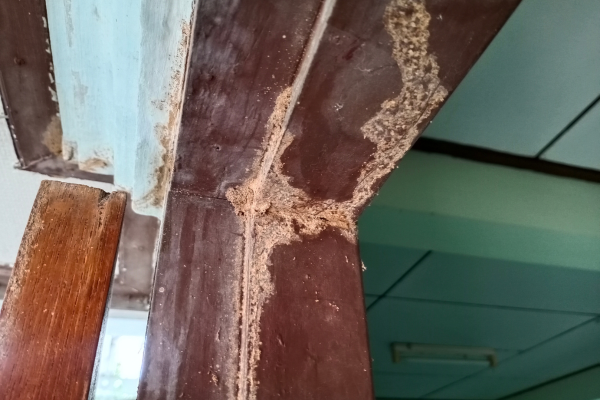
The two problems are also connected. Subterranean termites need moisture to survive, so damp wood from a plumbing leak, poor drainage, or a roof problem can attract them. In some homes, both types of damage are present at the same time.
Understanding Termites in Ohio
The eastern subterranean termite is the most common species in Ohio. These termites live in colonies in the soil and travel into homes through the foundation. Because they dry out quickly in open air, they build mud tubes to protect themselves as they move between the soil and the wood they feed on.
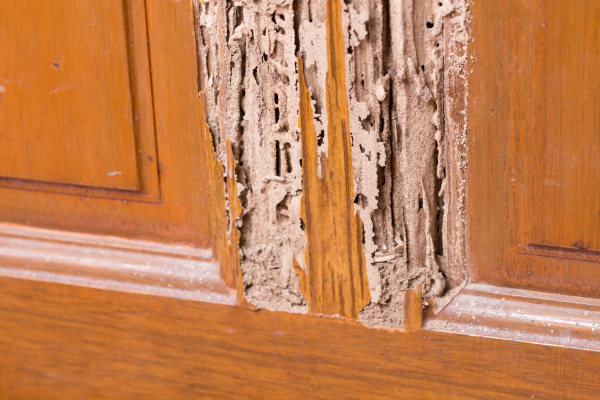
Termites eat cellulose, the main component of wood. They tend to consume the softer layers of wood first and often leave the outer surface intact. As a result, a board can look normal from the outside while being badly hollowed out inside. This is one reason signs of termite damage are easy for homeowners to miss.
Signs of Termites in Ohio Homes
Look for these indicators that point specifically to termite activity:
- Mud tubes: Pencil-width tunnels made of soil running along foundation walls, basement walls, floor joists, or crawlspaces.
- Hollow-sounding wood: Wood that sounds empty or papery when tapped.
- Galleries along the grain: Damaged wood with tunnels that follow the grain, often with a layered look and bits of soil or mud inside.
- Swarmers: Winged termites that emerge indoors, most often in spring. In Ohio, swarms are commonly seen around windows, doors, and light sources.
- Discarded wings: Small, equal-length wings left near windowsills or in spider webs after a swarm.
- Tight doors and windows: Damaged framing can shift and make doors or windows harder to open.
Swarmers are often mistaken for flying ants. Termites have straight antennae, a thick waist, and two pairs of wings of equal length. Ants have bent antennae, a pinched waist, and front wings that are longer than the back wings.
Signs of Water Damage
Water damage tends to show itself differently. Common signs include:
- Stains and discoloration: Yellow, brown, or dark rings on ceilings, walls, and floors.
- Musty odors: A damp, earthy smell, often in basements, bathrooms, or behind cabinets.
- Mold or mildew: Visible growth on drywall, wood, or grout in areas that stay damp.
- Warping and swelling: Floorboards that cup or buckle, and baseboards or trim that swell or separate.
- Peeling paint: Paint that flakes or loses adhesion because of moisture behind it.
- Wood rot: Decay caused by fungi that grow in wood that stays wet over time.
Wood rot has a recognizable appearance. Brown rot typically leaves wood dark, dry, and crumbly, with cracks that form a cube-like pattern. White rot makes wood look bleached and feel spongy or stringy. Neither type leaves behind tunnels, mud tubes, or insect wings.
Termite Damage vs. Water Damage: Side-by-Side
| Feature | Termite Damage | Water Damage |
| Surface | Often looks intact | Usually visibly stained, warped, or swollen |
| Inside the wood | Tunnels along the grain, often with soil | Soft, crumbly, or spongy decay with no tunnels |
| Nearby evidence | Mud tubes, swarmers, discarded wings | Leaks, condensation, mold, musty odor |
| Location | Near soil contact, foundations, framing | Near plumbing, roofs, windows, and damp areas |
| Sound when tapped | Hollow or papery | Dull and soft |
These differences are helpful, but they are not always clear-cut. Rot and termite damage can overlap in the same area, and other insects can complicate the picture. Carpenter ants, for example, prefer damp or decaying wood. They excavate smooth tunnels and push out sawdust-like debris, which is why they are often found in decks, porches, and eaves exposed to moisture.
Why an Accurate Diagnosis Matters
Different Problems, Different Solutions
Fixing a leak does nothing to stop a termite colony, and treating for termites does nothing to stop rot. If the wrong problem is addressed, the real one continues to spread, often behind walls and under floors where it cannot be seen.
Termite Damage Can Grow Unnoticed
A mature termite colony can feed on a structure for years before anyone notices. By the time the damage is visible, repairs may involve floor joists, sill plates, or wall framing.
Insurance Coverage Can Differ
Many standard homeowners insurance policies do not cover termite damage, since insurers generally view it as preventable. Sudden water damage may be treated differently. Coverage varies by policy, so it is worth confirming the cause before speaking with your insurer.
When to Schedule a Termite Inspection
A professional termite inspection is the most reliable way to confirm whether termites are responsible. Consider scheduling one if you notice mud tubes, find winged insects or discarded wings indoors, discover damaged wood with no obvious leak nearby, or are buying a home. Inspections for wood-destroying insects are common in real estate transactions, and why wood-destroying insect inspections matter before you buy comes down to avoiding costly surprises after closing.
Probing or tearing into damaged wood yourself can disturb termite activity and make it harder to assess. It is better to leave the area as it is and have it evaluated by a trained professional.
Not Sure What’s Damaging Your Wood? Contact Prevent Pest Control
If you are seeing soft wood, bubbling paint, mud tubes, or other signs you cannot explain, Prevent Pest Control can help you get answers. Our team provides wood destroying insect removal for Ohio homeowners and can inspect your property to determine whether insects are involved.
Main Line: (440) 322-0887
Emergency Line: 440-610-5345
Contact Prevent Pest Control today to schedule your inspection.
Frequently Asked Questions
1. How can I tell termite damage from water damage?
Termite damage often leaves the surface intact while the inside is hollowed out along the grain, usually with soil inside. Water damage typically shows stains, swelling, mold, and soft or crumbly wood with no tunnels.
2. Can termite damage look like water damage?
Yes. Termites bring moisture into the wood they infest, which can cause bubbling paint, stains, and sagging that look very similar to a leak.
3. What are the most common signs of termites in Ohio?
Common signs include mud tubes on foundation walls, hollow-sounding wood, winged swarmers indoors, discarded wings near windows, and doors or windows that suddenly stick.
4. What do termite mud tubes look like?
Mud tubes are pencil-width tunnels made of soil. They are often found along foundation walls, basement walls, floor joists, and in crawlspaces.
5. What does wood rot look like?
Brown rot leaves wood dark, dry, and crumbly, with cube-shaped cracks. White rot makes wood look bleached and feel spongy or stringy.
6. Do termites prefer wet wood?
Subterranean termites need moisture to survive, so damp wood from leaks or poor drainage can attract them. This is why termite damage and water damage are sometimes found together.
7. How do I know if I have flying termites or flying ants?
Termites have straight antennae, a thick waist, and wings of equal length. Flying ants have bent antennae, a pinched waist, and front wings longer than the back wings.
8. Does homeowners insurance cover termite damage?
Many standard homeowners policies do not cover termite damage because insurers generally consider it preventable. Coverage varies, so check your policy and speak with your insurer.
9. When should I get a termite inspection?
Schedule a termite inspection if you see mud tubes, swarmers, or discarded wings, find damaged wood with no clear leak nearby, or are buying a home.
10. Who should I call if I think termites are damaging my home?
Contact a licensed pest control company. Prevent Pest Control can inspect your property and help determine whether wood-destroying insects are causing the damage.

Prevent Pest Control has been proudly serving Ohio communities since 1996, delivering expert pest management solutions backed by over two decades of hands-on experience. Our skilled team is equipped to handle a full range of pest problems, from common household nuisances like ants and spiders to more serious infestations involving rodents, termites, and bed bugs.
We offer reliable, customized treatments for both residential and commercial properties, always focused on safety, effectiveness, and customer satisfaction. Our service area covers much of central and northern Ohio, including major cities such as Cleveland, Columbus, Dayton, and Cincinnati.
Contact Us
We are always here to help. Looking forward to hearing from you!