

Traveling is one of the most common ways people are exposed to bed bugs. Whether you’re staying in a hotel, visiting family, or taking a short weekend trip, your belongings are constantly moving through different environments. Because bed bugs are excellent hitchhikers, they can easily attach themselves to luggage, clothing, or personal items without being noticed.
For many homeowners, the issue doesn’t become obvious until after they return home. Understanding the signs of bed bugs after travel can help you catch a problem early and take the right steps before it spreads throughout your home.
 Why Travel Increases the Risk of Bed Bugs
Bed bugs do not discriminate between clean or dirty environments. They are attracted to people, not conditions. Hotels, vacation rentals, airports, and transportation hubs all have one thing in common: a high turnover of guests and belongings.
Each traveler brings luggage that may unknowingly carry bed bugs from a previous location. With so many people moving in and out, it becomes easier for these pests to spread from place to place.
Once bed bugs find their way into your suitcase or belongings, they can travel back home with you and begin establishing themselves in your living space.
How Bed Bugs Hitchhike Into Your Home
Bed bugs do not fly or jump. Instead, they crawl into small, hidden areas and remain there until they are transported somewhere new.
Suitcases are one of the most common ways bed bugs spread during travel. They can hide in seams, zippers, folds, and inner linings. Clothing, shoes, backpacks, and even toiletries can also serve as hiding spots.
When you return home and unpack, bed bugs may leave your belongings and begin hiding in nearby furniture, bedding, or flooring. Because they are small and nocturnal, this process often goes unnoticed at first.
Early Signs of Bed Bugs After Travel
Recognizing the signs of bed bugs after travel is critical. The earlier you detect a problem, the easier it is to manage.
One of the first signs people notice is unexplained bites. These often appear overnight and may be found on exposed areas such as arms, legs, or shoulders. While bites alone are not definitive proof of bed bugs, they are often one of the earliest indicators.
Another common sign is small dark spots on sheets or mattresses. These spots are typically bed bug droppings and may appear along seams, edges, or areas where people sleep.
You may also notice shed skins or small pale shells. Bed bugs molt as they grow, leaving behind these skins in areas where they hide.
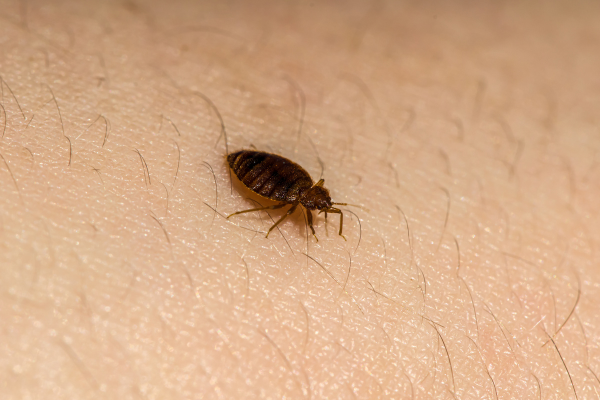
In some cases, live bed bugs may be visible. Adult bed bugs are small, flat, and reddish-brown. They are often found in mattress seams, headboards, or furniture joints.
Why Signs May Not Appear Immediately
One of the challenges with bed bugs is that signs do not always appear right away. After travel, it may take several days or even weeks before an infestation becomes noticeable.
Bed bugs tend to hide during the day and come out at night to feed. If only a few bed bugs were brought home, their activity may remain minimal at first.
As they reproduce and spread, signs become more visible. This delay can make it difficult to connect the infestation to a recent trip, even though travel was the source.
Where to Check After Returning Home
After traveling, certain areas of your home are more likely to show early signs of bed bugs.
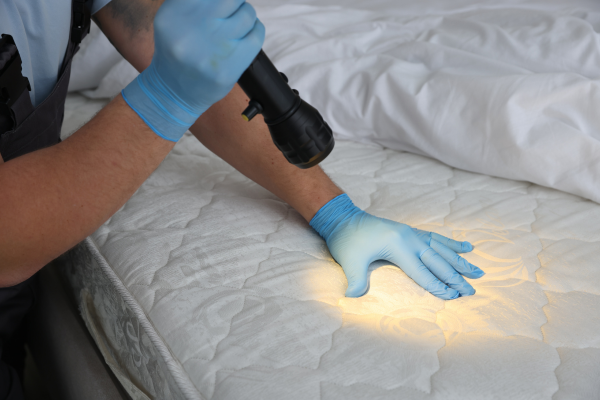
Bedrooms are the most common starting point. Check mattress seams, box springs, bed frames, and headboards carefully. Pay close attention to corners, stitching, and hidden crevices.
Nearby furniture such as nightstands, dressers, and upholstered chairs should also be inspected. Bed bugs often hide in joints, cracks, and fabric folds.
Closets and luggage storage areas are also important. If suitcases were unpacked in these areas, bed bugs may remain nearby.
Baseboards, electrical outlets, and wall cracks can also serve as hiding places, especially as an infestation grows.
Signs in Your Luggage and Clothing
Your luggage itself may show signs of bed bugs after travel. Inspect seams, zippers, and pockets carefully.
Look for small dark spots, shed skins, or live insects. These signs may be subtle, so thorough inspection is important.
Clothing may also show signs if bed bugs were present during your trip. While they do not typically live on clothing long-term, they can cling to fabric and be transported home.
Washing and drying clothing on high heat is one of the most effective ways to eliminate any bed bugs that may be present.
Why Bed Bugs Spread Quickly Indoors
Once bed bugs enter a home, they can spread beyond the initial area if not addressed quickly.
They move between rooms by crawling along baseboards, walls, and furniture. In multi-unit housing, they may travel between units through shared walls and plumbing systems.
Because they reproduce over time, a small introduction can gradually become a larger infestation. This is why early detection of the signs of bed bugs after travel is so important.
Why Professional Inspection Matters
Bed bugs are difficult to detect and eliminate without experience and proper tools. A professional inspection can confirm whether bed bugs are present and identify where they are hiding.
Technicians are trained to recognize subtle signs that homeowners may miss. They inspect mattresses, furniture, baseboards, and other areas where bed bugs commonly hide.
If bed bugs are confirmed, a treatment plan can be developed based on the layout of your home and the level of activity.
Early inspection after noticing the signs of bed bugs after travel can help prevent the problem from becoming more widespread.
 Preventing Future Bed Bug Issues After Travel
While it may not be possible to eliminate all risk, certain habits can reduce the chances of bringing bed bugs home.
Inspect hotel rooms before settling in, especially mattresses and headboards. Keep luggage elevated and away from beds and floors when possible.
After returning home, wash clothing on high heat and inspect luggage before storing it.
Unpacking in a controlled area can also help reduce the chance of spreading pests indoors.
Being aware of the risks associated with travel is one of the best ways to protect your home.
Protect Your Home After Traveling
If you suspect bed bugs after a trip, it’s important to act early and avoid spreading the problem further. Prevent Pest Control provides professional bed bug inspection and treatment services for homeowners throughout Ohio. To schedule an inspection or learn more, contact (440) 322-0887.
Common FAQs
-
What are the first signs of bed bugs after travel?
Some of the earliest signs include unexplained bites, small dark spots on sheets or mattresses, shed skins, and in some cases live bed bugs hiding in seams or furniture joints.
-
Why does travel increase the risk of bed bugs?
Travel increases exposure because hotels, vacation rentals, airports, and transportation hubs have a high turnover of people and belongings. Bed bugs can move from one traveler’s items to another and hitchhike home unnoticed.
-
How do bed bugs get into your home after a trip?
Bed bugs usually get in by hiding in suitcases, clothing, shoes, backpacks, and other belongings. After you return home and unpack, they can crawl out and begin hiding in bedding, furniture, or flooring nearby.
-
Do bed bug bites always mean you have bed bugs?
Not always. Bites alone are not definitive proof, but they are often one of the earliest warning signs, especially if they appear overnight on exposed skin after travel.
-
Why might bed bug signs not appear right away after travel?
Bed bugs often stay hidden during the day and may remain unnoticed if only a few were brought home. It can take days or even weeks before their activity becomes obvious enough to spot.
-
Where should you check for bed bugs after returning home?
Start with mattress seams, box springs, bed frames, and headboards. You should also inspect nearby furniture, closets, luggage storage areas, baseboards, wall cracks, and electrical outlets.
-
Can bed bugs hide in luggage and clothing?
Yes. Bed bugs commonly hide in suitcase seams, zippers, folds, and pockets. They can also cling to clothing and other fabrics long enough to be transported home.
-
What should you do with clothing after travel if you suspect bed bugs?
Wash and dry clothing on high heat as soon as possible. High heat is one of the most effective ways to kill bed bugs that may be hiding in fabric.
-
How quickly can bed bugs spread inside a home?
Bed bugs can spread gradually but efficiently by moving along baseboards, walls, and furniture. Over time, even a small introduction can become a larger infestation if it is not addressed quickly.
-
When should you schedule a professional bed bug inspection?
You should schedule an inspection as soon as you notice possible signs after travel. A professional can confirm whether bed bugs are present, identify hiding spots, and recommend the right treatment before the problem gets worse.

Prevent Pest Control has been proudly serving Ohio communities since 1996, delivering expert pest management solutions backed by over two decades of hands-on experience. Our skilled team is equipped to handle a full range of pest problems, from common household nuisances like ants and spiders to more serious infestations involving rodents, termites, and bed bugs.
We offer reliable, customized treatments for both residential and commercial properties, always focused on safety, effectiveness, and customer satisfaction. Our service area covers much of central and northern Ohio, including major cities such as Cleveland, Columbus, Dayton, and Cincinnati.
Contact Us
We are always here to help. Looking forward to hearing from you!