

You wake up with several bites in a row. After checking the mattress seams, you find a small reddish-brown bug. Suddenly, you are searching for your lease and realizing you have never read its pest-control section closely.
When it comes to bed bugs landlord responsibility Ohio, the immediate answer is that the landlord often pays when the infestation was not caused by the tenant. However, Ohio law is less specific than many renters expect. Responsibility may depend on where the bugs came from, how quickly you reported them, what your lease says, and what the evidence shows.
Bed bugs have nothing to do with cleanliness. Before hiring a bed bug exterminator Cleveland residents should document the problem and notify the property owner or manager in writing.
What Ohio Law Actually Says About Bed Bugs Landlord Responsibility Ohio
 Ohio does not have a bed-bug-specific landlord-tenant statute for ordinary apartments and rental houses.
The state law that specifically mentions bed bugs is ORC 3731.13, which addresses sanitary bedding and conditions in hotels. It became effective in 1992 and applies within Ohio’s hotel-regulation framework, including certain hotel, motel, and single-room occupancy properties. It does not create a clear payment rule for a typical apartment lease.
For standard rentals, responsibility generally falls back on Ohio’s broader landlord-tenant laws.
Under ORC 5321.04, a landlord must:
- Follow applicable building, housing, health, and safety codes that materially affect health and safety.
- Make repairs and take reasonably necessary steps to keep the property fit and habitable.
- Keep common areas safe and sanitary.
The statute does not name bed bugs specifically. However, a serious pest infestation may raise habitability or sanitation concerns, especially when it affects multiple units or common areas.
Under ORC 5321.05, tenants must keep the portion of the property they occupy safe and sanitary. They must also use the premises responsibly and avoid causing conditions that materially affect health and safety.
“Fit and habitable” does not necessarily mean that every minor inconvenience requires immediate landlord-paid service. In practice, the seriousness of the infestation, its source, the landlord’s response, the tenant’s cooperation, and applicable local codes may all be considered.
Cleveland’s housing requirements operate alongside state law. A landlord’s duties under ORC 5321.04 include compliance with applicable local housing and health codes. Cleveland residents may report unresolved rental conditions through the city’s 311 and Building and Housing complaint systems.
Ohio Tenant Rights Bed Bugs and Who Is Actually Liable
Questions about Ohio tenant rights bed bugs usually come down to one difficult issue: Where did the infestation begin?
There is no automatic rule stating that landlords always pay or that tenants always pay. Online guidance is inconsistent, and some sources appear to treat lease-addendum terms as if they were universal Ohio law. The actual outcome may depend on the facts and the language of the rental agreement.
The Bed Bugs Were There When You Moved In
Evidence that bugs were present before or shortly after move-in can support the position that the infestation was an existing property condition.
Important evidence may include:
- Photos taken during the first days or weeks of occupancy.
- Messages sent to the landlord shortly after move-in.
- Old insect casings, eggs, or spotting found in established hiding areas.
- Reports from previous residents or neighboring tenants.
- Earlier exterminator visits to the unit or building.
When a condition existed before the tenant took possession, the landlord will often have a stronger reason to arrange and pay for professional treatment. However, the final answer can still depend on the lease and the available evidence.
The Bugs Came From a Neighboring Unit
Bed bugs can move through cracks, wall gaps, utility openings, baseboards, hallways, and items transported between apartments. In a multi-unit property, treating only the unit where bugs were first reported may leave nearby activity undiscovered.
When the evidence suggests that bugs traveled from another apartment, the landlord or property manager will commonly need to coordinate inspections and treatment across affected units. The tenant who first reports the problem should not automatically be assumed to have caused it.
Professional guidance for property owners emphasizes prompt reporting, coordinated management, and avoiding unsupported blame because the source is often difficult to determine.
You Brought Them Home
A tenant may be held responsible when evidence shows that the bugs arrived through the tenant’s actions. Common sources include:
- Luggage after travel.
- Used mattresses or upholstered furniture.
- Clothing or belongings from an infested location.
- A guest whose belongings contained bed bugs.
- Moving items from another infested residence.
Even when the tenant may have introduced the infestation, the landlord or property manager should still be notified promptly. In an apartment building, delayed reporting can allow bugs to reach other units and create a larger property-wide problem.
Check Your Lease for a Bed Bug Addendum First
Before arguing about who pays for bed bug treatment, read the full lease, including attachments and addenda.
Look under headings such as:
- Pest Control
- Bed Bug Addendum
- Resident Responsibilities
- Maintenance and Sanitation
- Move-In Condition
- Damage Caused by Resident
- Reimbursement or Additional Charges
Some leases state that the owner will treat pests unless the resident or the resident’s guests caused the infestation. Others assign pest-control charges to the resident when pests were not documented on the move-in inspection form.
Pay attention to language requiring you to:
- Report suspected bed bugs immediately.
- Permit entry for inspections and treatment.
- Prepare the unit according to written instructions.
- Disclose recent travel or secondhand furniture.
- Pay costs when the infestation is attributed to you.
- Cooperate with treatment of adjoining units.
A lease addendum can affect how costs are allocated, but it does not necessarily eliminate a landlord’s nonwaivable obligations under Ohio law. ORC 5321.13 limits a rental agreement’s ability to remove duties imposed on landlords under ORC 5321.04.
That distinction matters. A clause may support charging a tenant for a tenant-caused infestation, but it may not settle responsibility for a building-wide problem, a preexisting condition, or an infestation caused by another unit.
What to Do, in Order
1. Confirm That It Is Actually Bed Bugs
Bites alone do not confirm an infestation. Mosquitoes, fleas, mites, skin irritation, and other causes can create similar marks.
Look for:
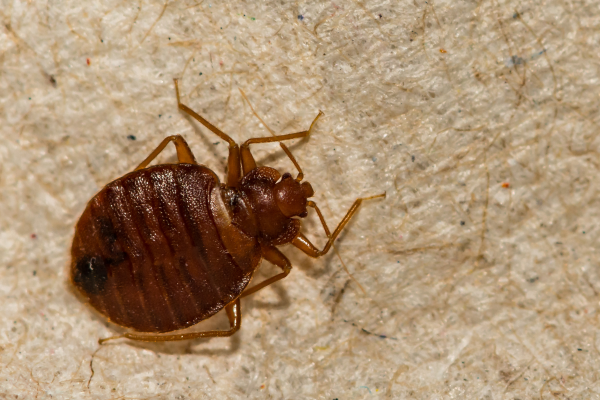
- Flat, reddish-brown insects about the size of an apple seed.
- Small pale eggs or shed skins.
- Dark spotting along mattress seams, headboards, bed frames, or baseboards.
- Live bugs in furniture seams, cracks, or crevices.
Prevent Pest Control’s guide to what to do during the first 24 hours after finding bed bugs provides additional identification and documentation steps.
2. Photograph Everything With Timestamps
Photograph the insect, the location where it was found, spotting, shed skins, eggs, mattress seams, furniture, and nearby wall openings.
Save the original files. Do not rely only on screenshots because screenshots may remove useful date and file information.
3. Notify the Landlord in Writing
A phone call may alert management, but it creates a weak record. Send an email, tenant-portal message, certified letter, or another written notice you can save.
Include:
- The date of the notice.
- Your address and unit number.
- What you found and when you found it.
- Photos or inspection findings.
- A request for professional inspection and treatment.
- A request to inspect adjoining units when appropriate.
- A reasonable date for a written response.
You may use this brief notice:
I am writing to report suspected bed bug activity in Unit [number] at [address]. On [date], I found [describe the bug or evidence] near [location]. Photos are attached. Please arrange a professional inspection and any necessary treatment, including evaluation of adjoining units if appropriate. Please respond in writing by [date] with the next steps.
Send the notice to the person or address designated for maintenance requests and keep proof of delivery.
4. Keep Every Reply
Save emails, texts, portal messages, treatment notices, preparation instructions, invoices, inspection reports, and records of missed appointments.
Write down the date and substance of phone conversations. A simple timeline can help a property manager, inspector, attorney, or court understand what happened.
5. Learn the ORC 5321.07 Process Before Withholding Rent
If a landlord does not fulfill certain legal or lease obligations after receiving written notice, ORC 5321.07 may provide qualifying tenants with options involving rent escrow, a court order for repairs, or termination of the rental agreement.
The process is not the same as simply stopping rent payments. The statute requires written notice describing the problem, delivery to the person or place where rent is normally paid, and a reasonable opportunity to correct the condition. Eligibility restrictions and court procedures may also apply.
Consult an attorney or the Legal Aid Society of Cleveland before withholding rent or attempting escrow. Doing it incorrectly can expose a tenant to an eviction filing.
The Legal Aid housing resources also explain rent escrow and repair-related options available to qualifying Ohio tenants.
6. File a Cleveland Housing Complaint as a Last Resort
When written requests do not produce action, a Cleveland resident may report a potential housing-code issue through 311 or the Department of Building and Housing.
The city accepts rental complaints involving landlords who have not addressed potential building violations. An inspector may investigate and determine whether code enforcement is appropriate. Call 311 or 216-664-2000, or use the city’s online 311 system.
A complaint does not guarantee that the city will decide who must pay for treatment. It can create an independent record of the reported condition.
 What Professional Bed Bug Treatment Involves
Professional bed bug treatment begins with a careful inspection of the unit. The technician may examine mattresses, bed frames, upholstered furniture, baseboards, cracks, wall openings, and other areas where bed bugs commonly hide.
Prevent Pest Control uses professional chemical treatments rather than heat treatments. These applications are placed strategically in bed bug hiding and travel areas using products selected for the property and infestation. The technician may also recommend monitoring tools and follow-up inspections to identify continuing activity.
Chemical bed bug treatment commonly requires more than one visit. Bed bug eggs may survive the first application and hatch later, which is why follow-up service is an important part of the treatment process. The number and timing of visits depend on the infestation, building layout, resident preparation, and whether neighboring units are affected.
Residents may receive preparation instructions that include reducing clutter, laundering certain fabrics, moving furniture away from walls, and keeping belongings from being transferred into untreated rooms or neighboring units. Following those instructions helps the treatment reach the areas where bed bugs are hiding.
In an apartment building, treating one unit may not solve the problem if bed bugs have moved through shared walls, utility openings, hallways, or adjoining apartments. Landlords and property managers may need to coordinate inspections and chemical treatment across multiple units.
A professional bed bug exterminator in Cleveland can inspect the property, document the activity, and develop a chemical treatment plan based on the building and infestation.
Resolving Bed Bugs in a Cleveland Rental
Understanding bed bugs landlord responsibility Ohio starts with the lease, the infestation’s likely source, written documentation, and a professional inspection. Bed bugs are treatable, and early cooperation between tenants, landlords, property managers, and technicians gives everyone the best chance of containing the problem. Schedule a free inspection with a bed bug exterminator Cleveland renters and property owners can contact at (440) 322-0887.
Frequently Asked Questions
1. Can a landlord charge a tenant for bed bug treatment in Ohio?
A landlord may charge a tenant when the lease permits it and evidence suggests the tenant or the tenant’s guests introduced the infestation. However, responsibility is not automatic. The condition of the unit at move-in, reports from neighboring apartments, building history, inspection findings, and the specific language of a bed bug addendum can all affect who pays.
2. How quickly should I report bed bugs to my landlord?
You should report suspected bed bugs in writing as soon as you find reliable signs. Prompt notice gives the landlord or property manager an opportunity to arrange an inspection, evaluate nearby units, and limit further spread. Include the date, unit number, photos, what you found, where you found it, and a request for a written response.
3. Can my landlord evict me for reporting bed bugs?
A landlord generally should not retaliate against a tenant for making a good-faith complaint about a condition that may affect health, safety, or habitability. However, reporting bed bugs does not prevent a lawful eviction for unrelated reasons, such as unpaid rent or another serious lease violation. Keep copies of all notices and consult an attorney if retaliation is suspected.
4. Can I stop paying rent if my landlord does not treat the bed bugs?
You should not simply stop paying rent. ORC 5321.07 may provide certain tenants with options such as rent escrow, a court order, or lease termination after proper written notice and a reasonable opportunity for the landlord to respond. Because the process has specific requirements, tenants should contact an attorney or Legal Aid before withholding or redirecting rent.
5. What if my lease does not mention bed bugs?
When a lease does not specifically mention bed bugs, responsibility may depend on Ohio’s general landlord-tenant laws, the condition of the property, and evidence showing how the infestation began. Landlords have duties related to habitability and sanitation, while tenants must keep their occupied areas safe and sanitary. The facts of the situation remain important.
6. Does a landlord have to inspect neighboring apartments for bed bugs?
A landlord may need to inspect nearby units when there is reason to believe bed bugs have moved through shared walls, utility openings, hallways, or adjoining rooms. Treating only the apartment where bugs were first reported may not address the full infestation. The appropriate response depends on the building layout, inspection findings, and reported activity.
7. What evidence can help show that bed bugs were already in the apartment?
Useful evidence can include dated move-in photos, written complaints made shortly after occupancy, old insect casings, spotting, treatment notices, reports from neighbors, and records of earlier pest-control visits. A professional inspection report may also document the location and severity of the activity. No single item always proves where the infestation began.
8. Do renters have to prepare the apartment for chemical bed bug treatment?
Yes, renters are commonly required to follow written preparation instructions before chemical treatment. Preparation may include reducing clutter, laundering certain fabrics, moving furniture away from walls, and keeping belongings from being moved into other rooms or units. Failing to prepare properly can limit access to hiding areas and may affect the treatment process.
9. Should I throw away my mattress if I find bed bugs?
You should not automatically discard a mattress before a professional inspection. Mattresses and furniture may sometimes be treated, depending on their condition and the extent of the infestation. Moving or discarding infested items can spread bed bugs through hallways, vehicles, or neighboring units. Ask the pest-control professional for specific disposal guidance first.
10. How many visits are usually needed for chemical bed bug treatment?
Chemical bed bug treatment commonly requires more than one visit because eggs may hatch after the initial application and hidden activity may continue. The number and timing of follow-up visits can depend on the infestation level, apartment layout, resident preparation, neighboring-unit activity, and inspection results. A technician should explain the expected treatment and monitoring schedule.

Prevent Pest Control has been proudly serving Ohio communities since 1996, delivering expert pest management solutions backed by over two decades of hands-on experience. Our skilled team is equipped to handle a full range of pest problems, from common household nuisances like ants and spiders to more serious infestations involving rodents, termites, and bed bugs.
We offer reliable, customized treatments for both residential and commercial properties, always focused on safety, effectiveness, and customer satisfaction. Our service area covers much of central and northern Ohio, including major cities such as Cleveland, Columbus, Dayton, and Cincinnati.
Contact Us
We are always here to help. Looking forward to hearing from you!