

As summer fades into fall in Ohio, wasps become increasingly active, buzzing around yards and posing a threat to your home’s interior. These stinging insects, including yellowjackets and paper wasps, are drawn to yards by food, water, and nesting opportunities, but their quest for shelter in cooler months can lead them inside. A wasp infestation indoors is not only a nuisance but also a safety concern due to their painful, repeated stings and potential for allergic reactions. At Prevent Pest Control, we’re committed to helping you with wasp control. We offer practical tips to identify wasps, manage your yard to deter them, and prevent them from moving inside, ensuring a safe and enjoyable season in Cleveland and beyond.
 Why Wasps Move Indoors in Fall
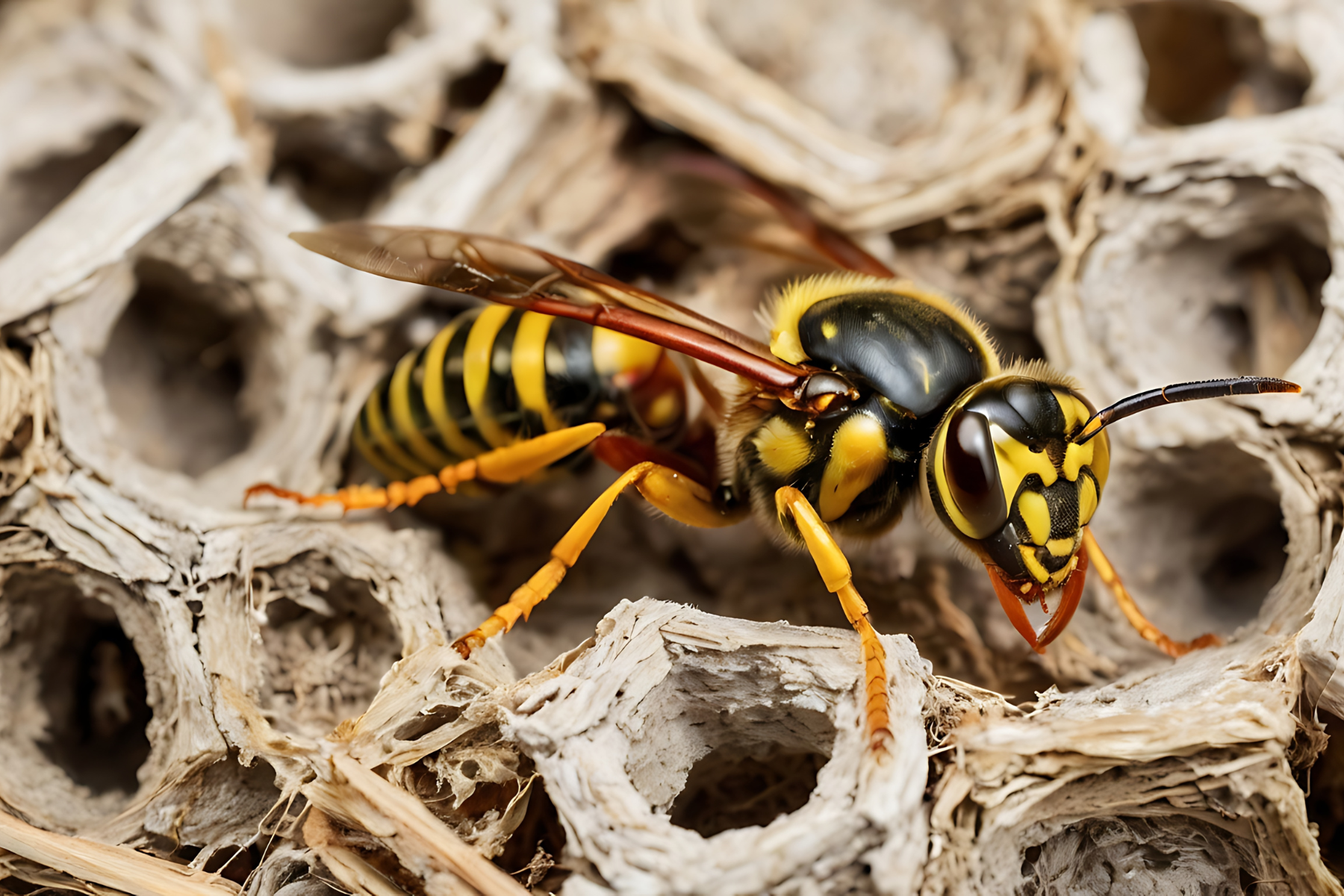
Wasps are social insects that thrive in warm weather, building colonies in yards during spring and summer. In Ohio, their activity peaks from August to October as temperatures drop and food sources dwindle. Unlike bees, wasps are aggressive scavengers, seeking sugary foods, proteins, and warm shelter. As fall approaches, they search for overwintering sites, often targeting homes for warmth and protection. Common entry points include cracks, vents, or gaps in walls, leading to wasps in attics, wall voids, or living spaces.
While wasps don’t typically nest indoors, their presence can disrupt daily life, especially for households with children, pets, or allergy-prone individuals. Preventing wasps from moving inside requires a combination of yard management, home fortification, and proactive deterrence. Understanding their behavior and taking early action are key to keeping your home a wasp-free zone.
Step 1: Identify Wasps in Your Yard
Correctly identifying wasps ensures you’re addressing the right pest and using appropriate prevention methods. Here’s how to spot them:
- Appearance: Wasps, like yellowjackets or paper wasps, are ½ to 1 inch long with slender, shiny bodies, narrow waists, and black-and-yellow or reddish-brown patterns. Unlike fuzzy bees, wasps have smooth bodies.
- Behavior: Wasps are aggressive, especially near food or nests, and can sting multiple times without dying. They’re active scavengers, drawn to picnics, trash cans, or fruit in yards.
- Nesting Sites: Look for papery, umbrella-shaped nests (paper wasps) under eaves or branches, or enclosed nests (yellowjackets) in ground burrows, shrubs, or wall voids. Activity increases in fall as colonies grow.
- Signs of Activity: Frequent wasp sightings near food, water, or your home’s exterior, especially in late summer, indicate potential nesting or foraging that could lead indoors.
Step 2: Eliminate Yard Attractants
Reducing attractants in your yard discourages wasps from lingering and seeking indoor shelter. Focus on these strategies:
- Secure Food Sources: Cover food during outdoor meals with mesh covers or sealed containers. Use lidded cups or straws for drinks to avoid attracting wasps to open cans or bottles.
- Manage Trash: Use trash cans with tight-fitting lids and rinse recyclables to remove sugary residues. Empty bins frequently and store them away from entry points to your home.
- Remove Fallen Fruit: Collect ripe or fallen fruit from trees or gardens, as rotting fruit attracts wasps. Dispose of fruit in sealed bags or compost with a secure lid to limit access.
- Limit Water Sources: Empty standing water from birdbaths, buckets, or kiddie pools. Fix leaky faucets and clear clogged gutters to eliminate water sources wasps need to survive.
Step 3: Block Entry Points to Your Home
Preventing wasps from entering your home is critical, especially in fall when they seek shelter. Seal potential entryways with these steps:
- Inspect Exterior: Check for cracks in foundations, gaps around windows, doors, or siding, and openings where pipes or cables enter. Wasps can slip through gaps as small as 1/8 inch.
- Seal Gaps: Use silicone caulk to fill cracks in walls, foundations, or window frames. Install weatherstripping on doors and repair torn screens to block access.
- Secure Vents: Cover attic vents, dryer vents, or chimneys with fine mesh screens. Ensure soffits and eaves are tightly sealed to prevent wasps from entering.
- Check Attics and Garages: Inspect these areas for early wasp activity, as they’re common entry points. Seal any gaps or holes to keep wasps from settling indoors.
Step 4: Manage Outdoor Nests Early
Addressing wasp nests in your yard before fall prevents colonies from growing and seeking indoor shelter. Here’s how to manage them safely:
- Locate Nests: Check under eaves, in shrubs, trees, or ground burrows for papery nests. Look for high wasp traffic, especially in late summer, to pinpoint active colonies.
- Use Safe Removal: For small, accessible nests, apply commercial wasp spray at dusk when wasps are less active. Wear protective clothing (long sleeves, gloves, mask) and spray from a distance.
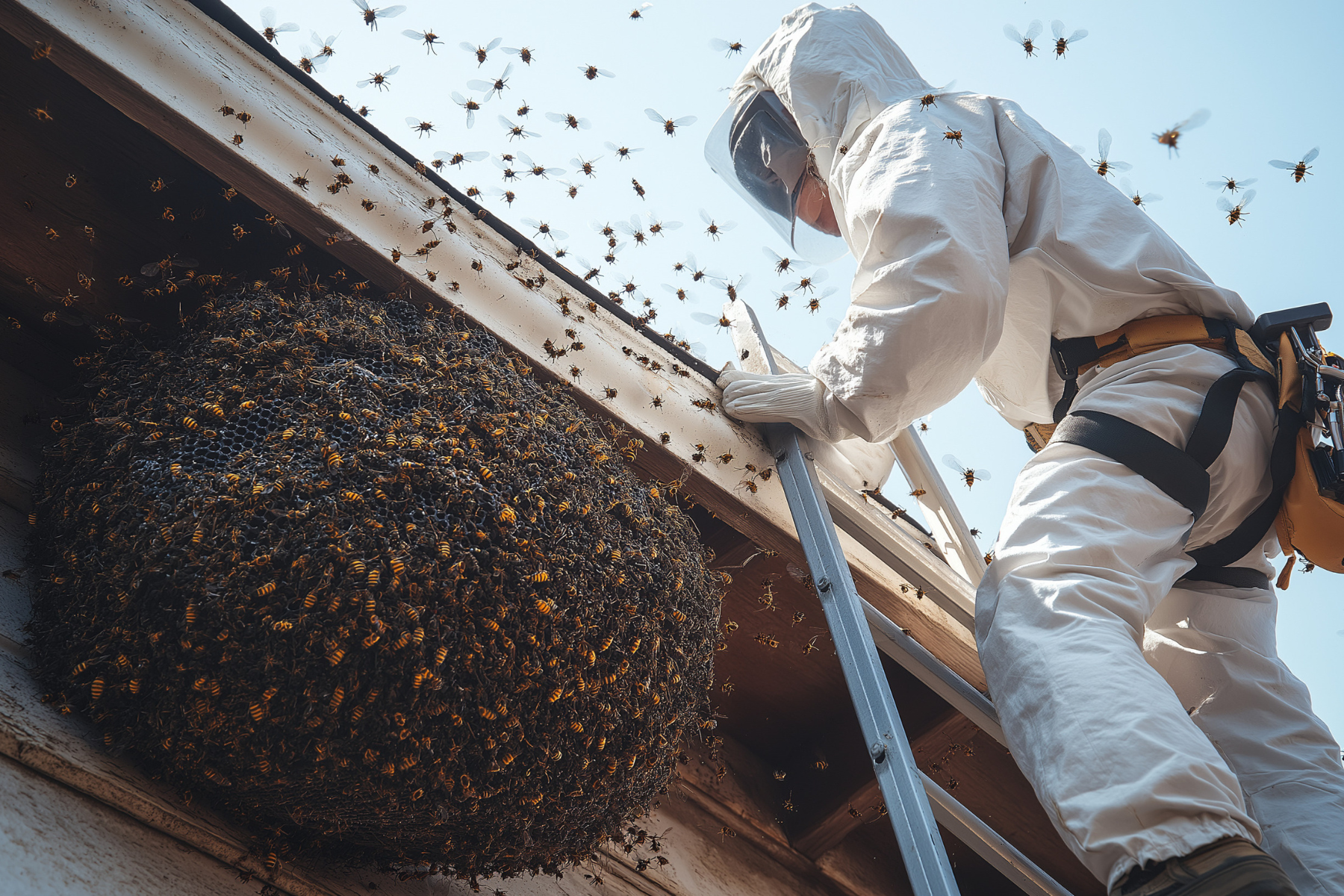
- Avoid Disturbing Large Nests: Large or high nests are dangerous to remove due to aggressive wasp behavior. Call professionals to handle them safely and avoid stings.
- Remove Old Nests: In late fall or winter, remove abandoned nests to deter new colonies in spring. Confirm nests are inactive before handling to avoid surprises.
Step 5: Use Deterrents in Your Yard
Deterrents discourage wasps from lingering in your yard, lowering the chance they’ll target your home. Try these methods:
- Decoy Nests: Hang fake wasp nests near your home, as wasps are territorial and may avoid areas with “existing” colonies. Place them near eaves or patios for maximum effect.
- Essential Oil Sprays: Mix peppermint, lemongrass, or clove oil with water and spray around outdoor seating areas or entry points. Reapply every few days, as scents fade.
- Wasp Traps: Place commercial or homemade traps (using sugar water or meat bait) at your yard’s perimeter, away from gathering areas, to capture foraging wasps. Empty traps weekly.
- Avoid Bright Attractants: Minimize bright colors (e.g., yellow or white) in yard decor or clothing, and avoid floral-scented products that mimic wasp attractants.
 Step 6: Stay Safe Around Wasps
If wasps are active in your yard, knowing how to avoid stings is essential to prevent provoking them indoors. Follow these safety tips:
- Stay Calm: Avoid swatting or making sudden movements near wasps, as this triggers aggression. Slowly back away if a wasp approaches.
- Protect Food and Drinks: Keep outdoor meals covered and check drink cans for wasps before sipping to avoid accidental stings.
- Know Allergy Risks: If you or a family member has a sting allergy, keep an epinephrine auto-injector (e.g., EpiPen) nearby and seek medical help if stung.
- Monitor Children and Pets: Supervise kids and pets during outdoor activities to prevent them from disturbing wasps or nests, reducing sting risks.
Step 7: Seek Professional Wasp Control
For active nests or persistent wasp activity, professional pest control is the safest and most effective solution. Contact Prevent Pest Control if:
- You find large or inaccessible wasp nests in your yard or near your home.
- Wasps continue to approach your home despite preventive efforts.
- You’re concerned about sting risks, especially for allergy-prone individuals.
Wasp Control With Prevent Pest Control
Enjoy Ohio’s fall without the buzz of unwanted guests. For expert wasp control in Cleveland, Ohio, contact Prevent Pest Control at (440) 271-3565 or visit Prevent Pest Control for a consultation. Let us help you protect your home this fall!

Prevent Pest Control has been proudly serving Ohio communities since 1996, delivering expert pest management solutions backed by over two decades of hands-on experience. Our skilled team is equipped to handle a full range of pest problems, from common household nuisances like ants and spiders to more serious infestations involving rodents, termites, and bed bugs.
We offer reliable, customized treatments for both residential and commercial properties, always focused on safety, effectiveness, and customer satisfaction. Our service area covers much of central and northern Ohio, including major cities such as Cleveland, Columbus, Dayton, and Cincinnati.
Contact Us
We are always here to help. Looking forward to hearing from you!