
Warm summer days in Ohio are perfect for outdoor gatherings, gardening, or relaxing on your porch. However, the buzz of wasps can quickly turn these moments into stressful encounters. Wasps, known for their painful stings and aggressive behavior, are a common nuisance in residential areas, especially during late summer and early fall. Unlike bees, wasps are not primary pollinators and are often attracted to human spaces in search of food or nesting sites. Understanding what draws wasps to your property and how to deter them is key to enjoying a wasp-free outdoor space. At Prevent Pest Control, we’re here to help you stay safe and comfortable.
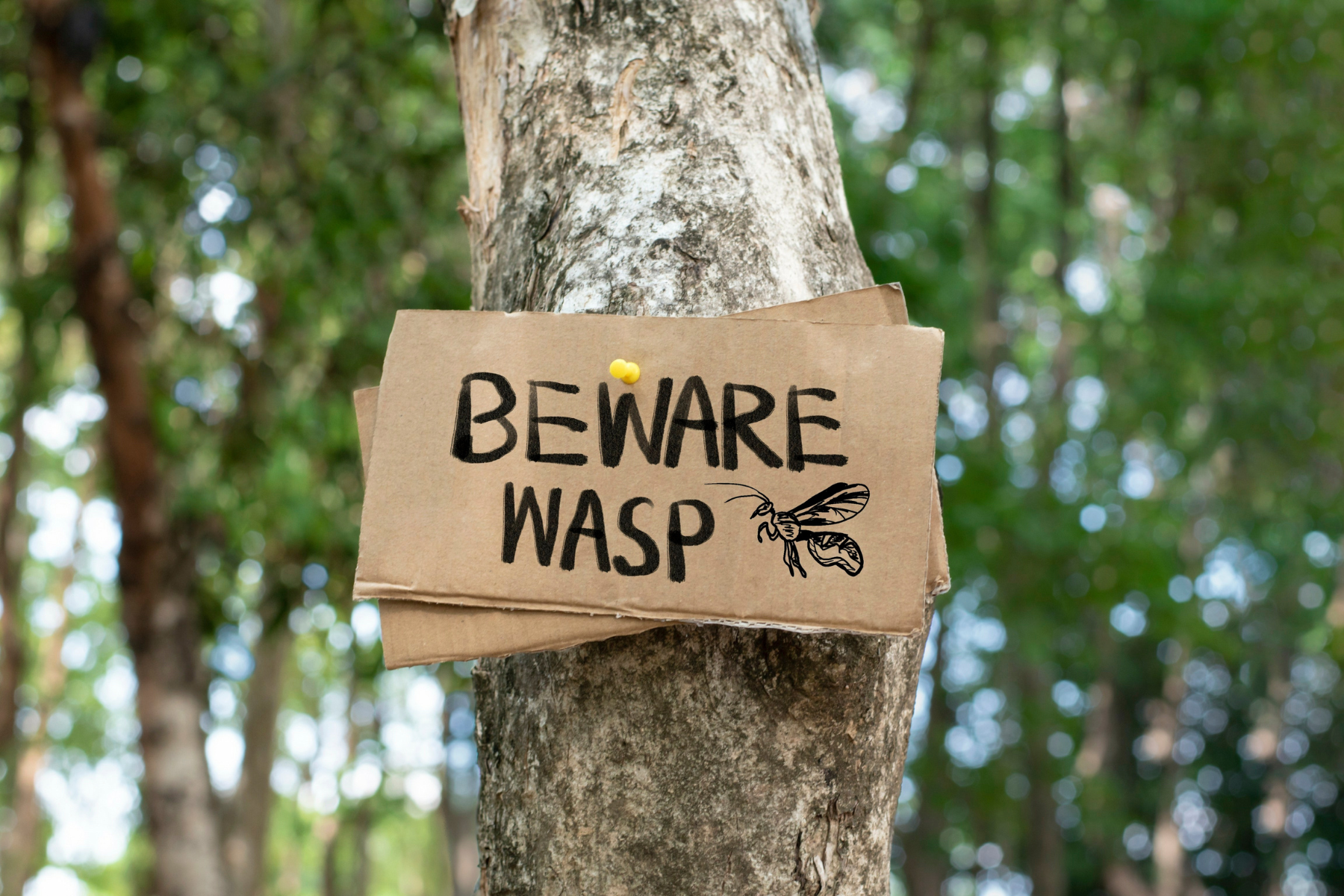 Wasp Control: Why Wasps Are a Concern
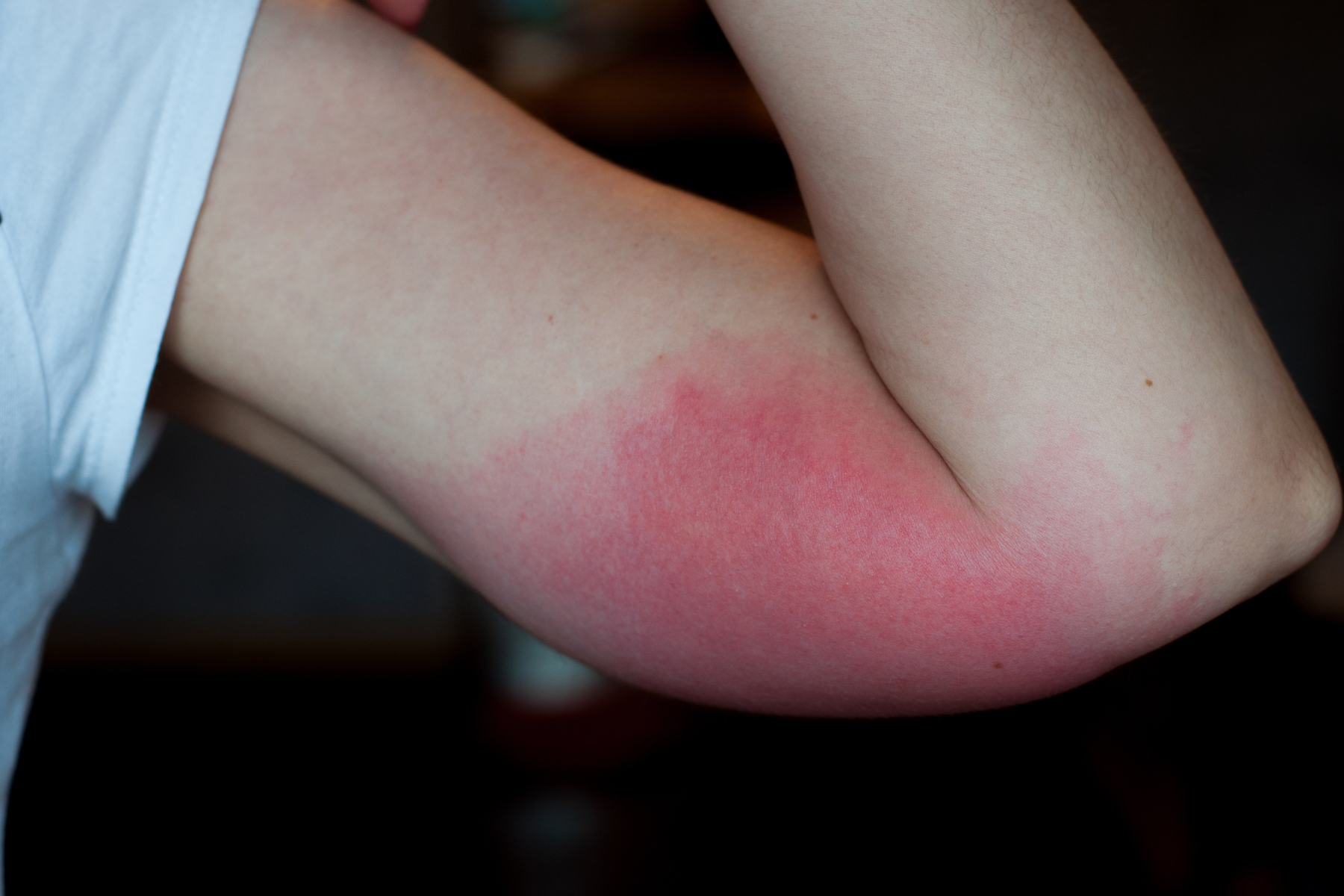
Wasps, including species like yellowjackets and paper wasps, are social insects that live in colonies and build papery nests. In Ohio, they’re active from April to October, with populations peaking in August and September when colonies grow large and food becomes scarce. Wasps can sting multiple times without dying, unlike bees, and their stings cause sharp pain, swelling, or, in some cases, severe allergic reactions (anaphylaxis). For families with children, pets, or allergy-prone individuals, wasp presence poses significant risks.
Wasps are drawn to yards, patios, and homes by specific attractants, such as food, water, and shelter. Their scavenging nature makes them bold, often leading them to crash picnics, hover near trash cans, or nest under eaves. By addressing these attractants and implementing preventive measures, you can reduce wasp activity and protect your property from infestations.
Step 1: Understand What Attracts Wasps
- Food Sources: Wasps are drawn to sugary foods and proteins. Soda cans, fruit juice, ripe fruits, desserts, and meat scraps at barbecues are irresistible.
- Trash and Compost: Open garbage cans, uncovered compost piles, or sticky recyclables provide a buffet for wasps.
- Water Sources: Standing water in birdbaths, clogged gutters, or dripping faucets attracts them to your yard.
- Shelter and Nesting Sites: Wasps seek protected areas to build nests, such as under eaves, in attics, sheds, or dense shrubs.
- Bright Colors and Scents: Wasps are attracted to bright colors and floral perfumes, lotions, or scented candles.
Step 2: Secure Food and Trash
- Use mesh food covers or sealed containers for picnics and barbecues.
- Clear away food scraps, spilled drinks, or dropped fruit immediately.
- Use tight-fitting lids on garbage and recycling bins. Rinse recyclables and empty bins frequently.
- Turn compost regularly and cover food scraps with grass clippings or soil.
- Regularly collect ripe or fallen fruit from trees or gardens.
Step 3: Eliminate Water Sources
- Repair leaky faucets, hoses, or sprinklers.
- Drain birdbaths, kiddie pools, or buckets after use.
- Remove debris from gutters to ensure proper drainage.
- Add a pump to water features or cover rain barrels with tight lids.
Step 4: Block Nesting Sites
- Inspect your home for cracks, gaps, or holes and seal them.
- Fix torn window or door screens. Install mesh covers over vents or chimneys.
- Prune trees, shrubs, and vines near your home.
- Safely remove abandoned wasp nests in late fall or winter.
Step 5: Use Repellents and Deterrents
- Mix peppermint, lemongrass, or clove oil with water and spray outdoor areas.
- Hang fake wasp nests near your home.
- Place commercial or homemade traps away from gathering areas.
- Wear neutral clothing and avoid floral perfumes or scented products.
Step 6: Stay Safe Around Wasps
- Avoid swatting or making sudden movements near wasps.
- Keep food and beverages covered during outdoor activities.
- Keep an epinephrine auto-injector nearby if allergic and seek medical help if stung.
- Check drink cans or bottles for wasps before drinking.
 Step 7: Seek Professional Wasp Control
- You find a wasp nest near your home.
- Wasps continue to invade despite preventive measures.
- You or a family member has a sting allergy.
Our Cleveland-based team uses safe, targeted treatments to remove nests and prevent wasp return, ensuring your yard remains a safe haven.
Wasp Control With PPC
Wasps present unique challenges, but with proper identification and cautious removal, you can keep your outdoor spaces safe and secure. For expert stinging insect control in Cleveland, Ohio, contact Prevent Pest Control at (440) 322-0887.

Prevent Pest Control has been proudly serving Ohio communities since 1996, delivering expert pest management solutions backed by over two decades of hands-on experience. Our skilled team is equipped to handle a full range of pest problems, from common household nuisances like ants and spiders to more serious infestations involving rodents, termites, and bed bugs.
We offer reliable, customized treatments for both residential and commercial properties, always focused on safety, effectiveness, and customer satisfaction. Our service area covers much of central and northern Ohio, including major cities such as Cleveland, Columbus, Dayton, and Cincinnati.
Contact Us
We are always here to help. Looking forward to hearing from you!