

Finding a fast-moving centipede across a basement floor or bathroom wall can be unsettling. Its long legs, quick movements, and tendency to appear unexpectedly often make it seem more threatening than it is. However, the presence of house centipedes can provide useful information about the conditions inside a home.
Homeowners asking why do I keep finding centipedes in my house may be dealing with excess moisture, accessible entry points, suitable hiding places, or another indoor pest population. House centipedes are predators, so they generally remain in places where they can find insects, spiders, and other small arthropods to eat.
September is a practical time to investigate repeated sightings. As outdoor conditions begin to change, pests may move toward protected areas, while existing moisture and insect activity inside the home can continue supporting centipedes.
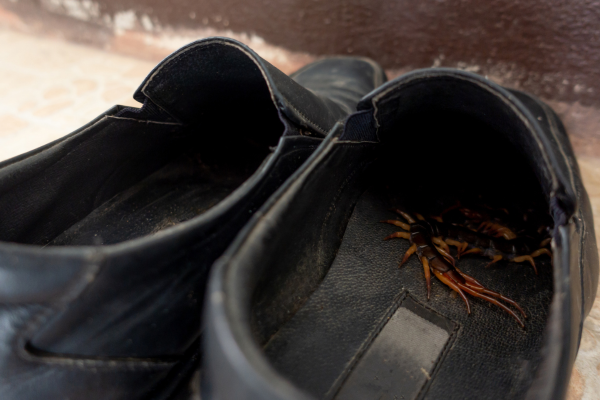 What Is a House Centipede?
A house centipede has a flattened body, long antennae, and 15 pairs of legs. Its legs can make the animal appear larger than its actual body. House centipedes are usually active at night and may run quickly when lights are turned on or when their hiding place is disturbed.
Although they are commonly grouped with household insects, centipedes are arthropods rather than insects. They do not typically damage wood, clothing, stored food, or household belongings. Instead, they prey on small organisms that may already be living inside the structure.
Their presence does not automatically mean a home has a serious infestation. An occasional centipede may have entered through a small exterior opening. Repeated sightings, however, may suggest that the home provides the moisture, shelter, and prey needed for them to remain active.
Moisture Is One of the Main Attractions
When determining what attracts centipedes in the house, moisture is one of the first conditions to consider. House centipedes prefer dark, protected, and humid locations. They are often found near floor drains, sinks, tubs, utility areas, crawl spaces, and damp storage rooms.
Leaking pipes, condensation, poor ventilation, foundation seepage, or consistently humid indoor air may create favorable conditions. Cardboard boxes, stored materials, and clutter placed against damp walls can provide additional hiding spaces.
This helps answer why do I keep finding centipedes in my house, especially when sightings occur in the same lower-level rooms. Reducing moisture may make those areas less suitable for centipedes and some of the smaller pests they feed on.
Why Are Centipedes in My Basement?
Homeowners frequently ask, why are centipedes in my basement when they do not see them elsewhere in the home. Basements often provide several conditions centipedes prefer: limited light, higher humidity, undisturbed hiding places, and access to insects or spiders.
Cracks in foundation walls, spaces around utility lines, basement windows, floor drains, and gaps beneath exterior doors may also provide entry routes. Once inside, centipedes can hide beneath boxes, near stored items, behind baseboards, or around plumbing fixtures.
A basement sighting does not necessarily mean the centipedes are nesting in one obvious location. They may move throughout concealed areas while hunting. Inspecting the basement for leaks, condensation, damp materials, and pest activity can help identify why the space remains attractive.
Other Household Pests May Be Providing Food
The answer to why do I keep finding centipedes in my house may involve more than the centipedes themselves. House centipedes feed on insects, spiders, and other arthropods. If they repeatedly appear indoors, the home may contain enough prey to support their activity.
Possible prey can include ants, silverfish, small cockroaches, spiders, and other crawling pests. Some of these organisms remain hidden behind walls, beneath fixtures, in storage areas, or near moisture sources. A homeowner may therefore notice centipedes before seeing the pests they are hunting.
Removing only the visible centipedes may not address the underlying reason they are present. Identifying and reducing their food supply can be an important part of long-term control.
Small Openings Can Give Centipedes Access
House centipedes may enter through cracks and gaps around the exterior of a building. Openings near windows, doors, siding, foundations, vents, pipes, and utility cables can provide access. Damaged screens and worn door sweeps may also create entry points.
Vegetation, leaf litter, stones, mulch, and damp organic material near the foundation may provide outdoor shelter. When these protected areas are close to structural openings, centipedes and other pests may move indoors.
If you are wondering why do I keep finding centipedes in my house during late summer or early fall, inspect areas where outdoor shelter meets the foundation. Sealing appropriate gaps and reducing damp debris near the home may help limit entry without relying only on treatments inside.
Clutter Creates Protected Hiding Places
Centipedes are more likely to remain unnoticed in areas with many concealed spaces. Stacked cardboard, bags, unused furniture, stored clothing, and materials placed directly on basement floors may create sheltered environments.
Reducing clutter will not eliminate every pest, but it can remove hiding places and make inspections easier. Using organized storage and keeping items away from walls may help homeowners notice moisture, droppings, insects, or structural openings sooner.
Regular vacuuming can also remove individual centipedes, shed insect material, webs, and some potential prey. Sticky traps placed along walls may help show where crawling activity is concentrated, although they do not correct moisture or entry-point problems.
Are House Centipedes Dangerous?
House centipedes are generally considered nuisance pests rather than a source of household damage. They usually avoid people and move toward cover when disturbed. Their appearance and speed are the main reasons many homeowners find them alarming.
Centipedes have structures that allow them to subdue prey, but bites involving people are uncommon. A centipede should still be handled cautiously rather than picked up with bare hands. Children and pets should also be kept from playing with unfamiliar arthropods.
Correct identification matters because millipedes, silverfish, and other occasional invaders may be confused with house centipedes. Each pest can indicate different environmental conditions and may require a different response.
How to Get Rid of House Centipedes
Learning how to get rid of house centipedes begins with correcting the conditions that support them. Homeowners can check for plumbing leaks, improve ventilation, use a dehumidifier where appropriate, remove damp cardboard, reduce clutter, and seal accessible cracks or gaps.
It is also important to investigate other pest activity. Because centipedes are predators, controlling the insects and spiders they feed on may make the home less attractive. Exterior maintenance can include clearing decaying vegetation and excessive debris away from the foundation and checking doors, screens, windows, and utility penetrations.
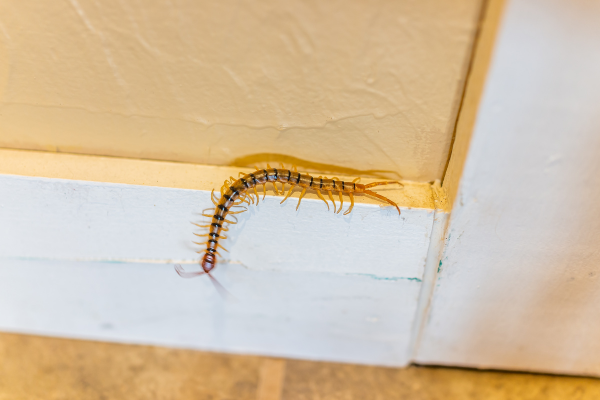 When Repeated Sightings Deserve More Attention
One centipede does not always indicate a widespread problem. However, frequent sightings in several rooms, regular daytime activity, or the presence of additional pests may justify a closer inspection.
The question why do I keep finding centipedes in my house becomes more important when moisture problems continue, centipedes reappear after being removed, or their food source cannot be identified. Repeated activity may point to hidden dampness, structural openings, or another pest population that requires attention.
Monitoring where and when centipedes appear can provide helpful clues. Note whether sightings are concentrated near a drain, basement wall, bathroom, utility room, or storage area. These details may make it easier to identify contributing conditions.
Addressing Centipedes in Your Home
If you continue asking why do I keep finding centipedes in my house, consider the full environment rather than focusing only on the centipedes you can see. Moisture reduction, pest identification, entry-point maintenance, and removal of hiding places may all play a role. For help evaluating recurring centipede or general pest activity, contact Prevent Pest Control through its website or call (440) 322-0887.
Frequently Asked Questions
1. Does finding one house centipede mean there is an infestation?
No, finding one house centipede does not necessarily mean there is an infestation. An isolated centipede may have entered through a small crack, door gap, basement window, or utility opening. Repeated sightings in the same area may be more significant because they can indicate persistent moisture, suitable hiding places, or a steady supply of insects and spiders.
2. Why do house centipedes appear more often at night?
House centipedes are primarily nocturnal and generally leave their hiding places at night to search for prey. During the day, they may remain behind baseboards, beneath stored items, near plumbing, or inside wall voids. Turning on a light can cause them to run quickly toward cover, which is why many homeowners notice them unexpectedly in dark rooms.
3. Do house centipedes indicate another pest problem?
House centipedes may indicate that other small pests are present because they feed on insects, spiders, and other arthropods. Silverfish, ants, cockroaches, and spiders can provide a food source. However, one centipede does not confirm a separate infestation. Repeated activity may justify checking for additional pest signs and favorable conditions such as moisture and clutter.
4. Why do I keep finding centipedes in my house after removing them?
You may keep finding centipedes because removing individual centipedes does not correct the conditions attracting them. Damp areas, hidden prey, clutter, and accessible entry points may continue to support activity. Inspecting for leaks, improving ventilation, reducing hiding places, and checking for other pests may help identify why centipedes continue to appear.
5. Can house centipedes come up through drains?
House centipedes may be found near drains, but they do not always enter directly through the drainpipe. The surrounding area may offer moisture, darkness, cracks, and access points around plumbing lines. Gaps near floor drains, sinks, tubs, and pipe penetrations can provide shelter or movement routes, especially in basements, bathrooms, and utility rooms.
6. What attracts centipedes in the house during September?
Changing outdoor conditions, indoor humidity, and available prey may attract centipedes during September. Cooler nights can encourage occasional pests to seek protected areas, while damp basements and bathrooms may remain suitable year-round. Leaf litter, mulch, vegetation, or moisture near the foundation can also create outdoor shelter close to potential entry points.
7. Will a dehumidifier help reduce house centipedes?
A dehumidifier may help when excess humidity is contributing to centipede activity. House centipedes generally prefer damp environments, so lowering moisture in basements, crawl spaces, or utility areas can make those spaces less favorable. A dehumidifier will not seal entry points or remove other pests, so additional maintenance and monitoring may still be needed.
8. Where should I check for centipede hiding places?
Check dark, damp, and undisturbed areas such as beneath boxes, behind appliances, around floor drains, inside utility rooms, under sinks, and along basement walls. Centipedes may also hide behind baseboards or near plumbing penetrations. Moving stored items away from walls can make inspections easier and help reveal moisture, cracks, or other pest activity.
9. Can house centipedes damage my home or belongings?
House centipedes generally do not damage wood, clothing, furniture, stored food, or building materials. They are predators that feed on other small pests rather than household belongings. Their presence is usually considered a nuisance, although repeated sightings may signal damp conditions, structural openings, or another pest population that should be investigated.
10. When should I contact a pest control company about house centipedes?
Consider contacting a pest control company when centipedes appear frequently, are found in several rooms, or continue returning despite moisture and clutter reduction. Professional evaluation may also be useful when other pest signs are present or the source cannot be located. Homeowners can contact Prevent Pest Control at (440) 322-0887 to discuss recurring pest activity.

Prevent Pest Control has been proudly serving Ohio communities since 1996, delivering expert pest management solutions backed by over two decades of hands-on experience. Our skilled team is equipped to handle a full range of pest problems, from common household nuisances like ants and spiders to more serious infestations involving rodents, termites, and bed bugs.
We offer reliable, customized treatments for both residential and commercial properties, always focused on safety, effectiveness, and customer satisfaction. Our service area covers much of central and northern Ohio, including major cities such as Cleveland, Columbus, Dayton, and Cincinnati.
Contact Us
We are always here to help. Looking forward to hearing from you!